Kenya is strengthening cooperation with Tanzania and Uganda to protect shared rivers and improve water security as climate change, environmental degradation and rising demand threaten the sustainability of water resources across Eastern Africa.
The government is turning to regional partnerships, catchment restoration and improved water-resource management to address challenges affecting the Mara River Basin, shared with Tanzania, and the Sio–Malaba–Malakisi Basin, shared with Uganda.
The interventions are being advanced under the Climate Resilient Eastern African Transboundary Water Management for Environmental Sustainability (CREATES) Programme, a five-year initiative supported by Denmark with a budget of DKK 300 million.
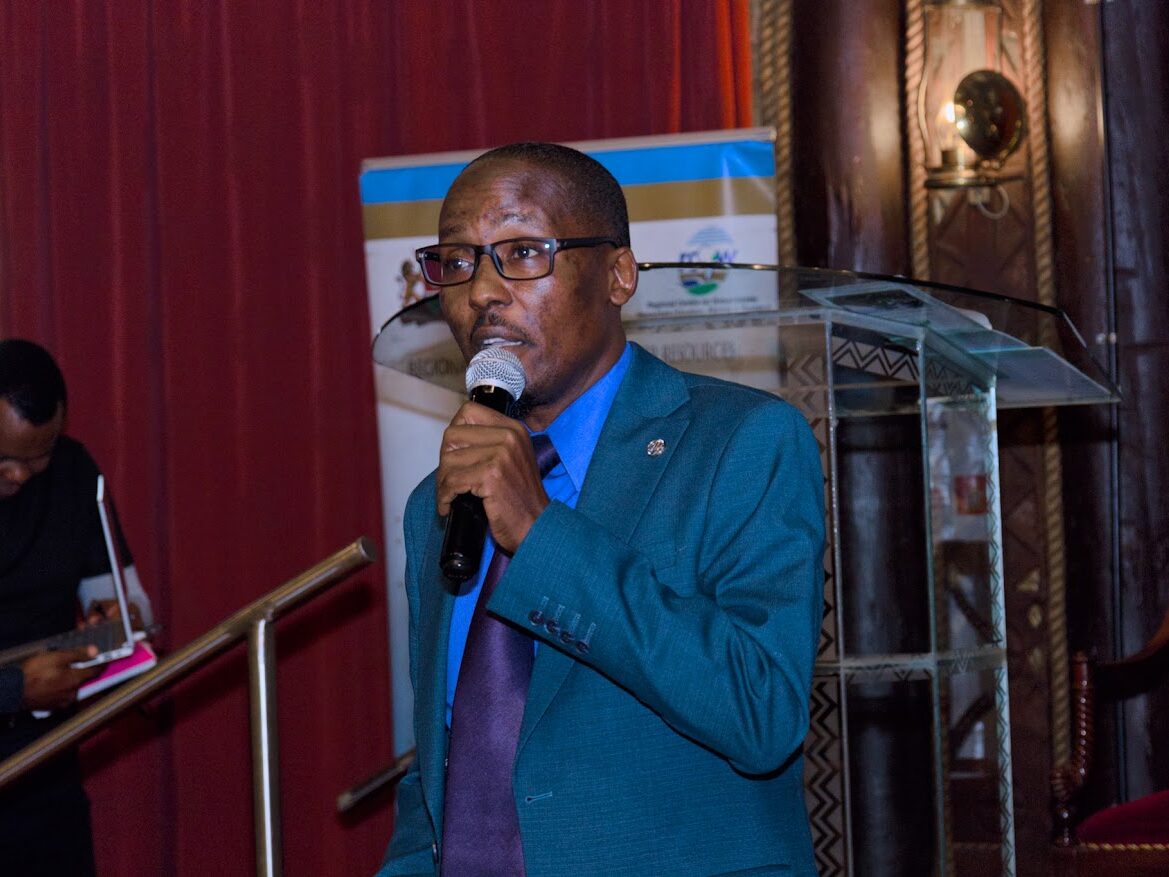
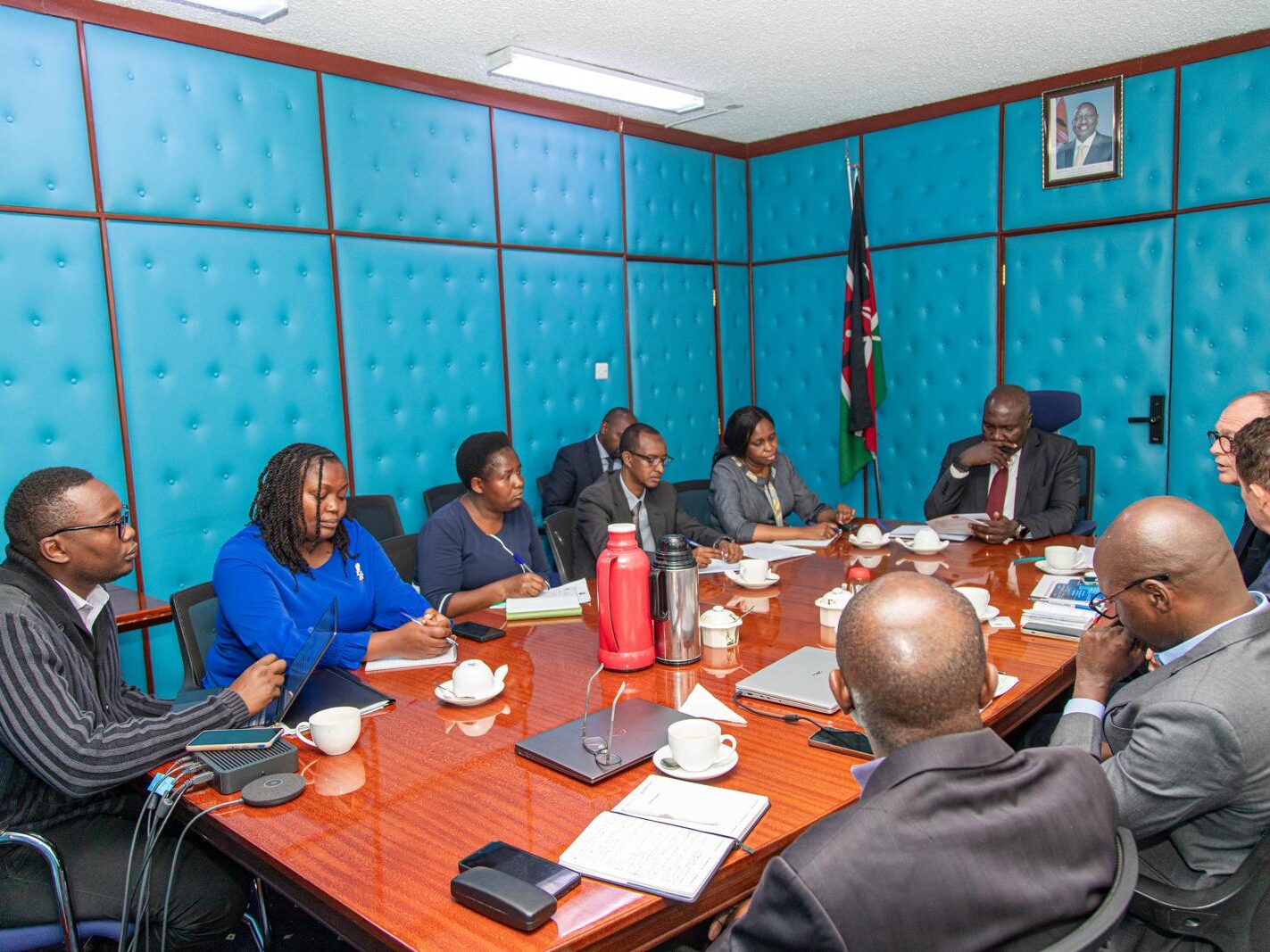
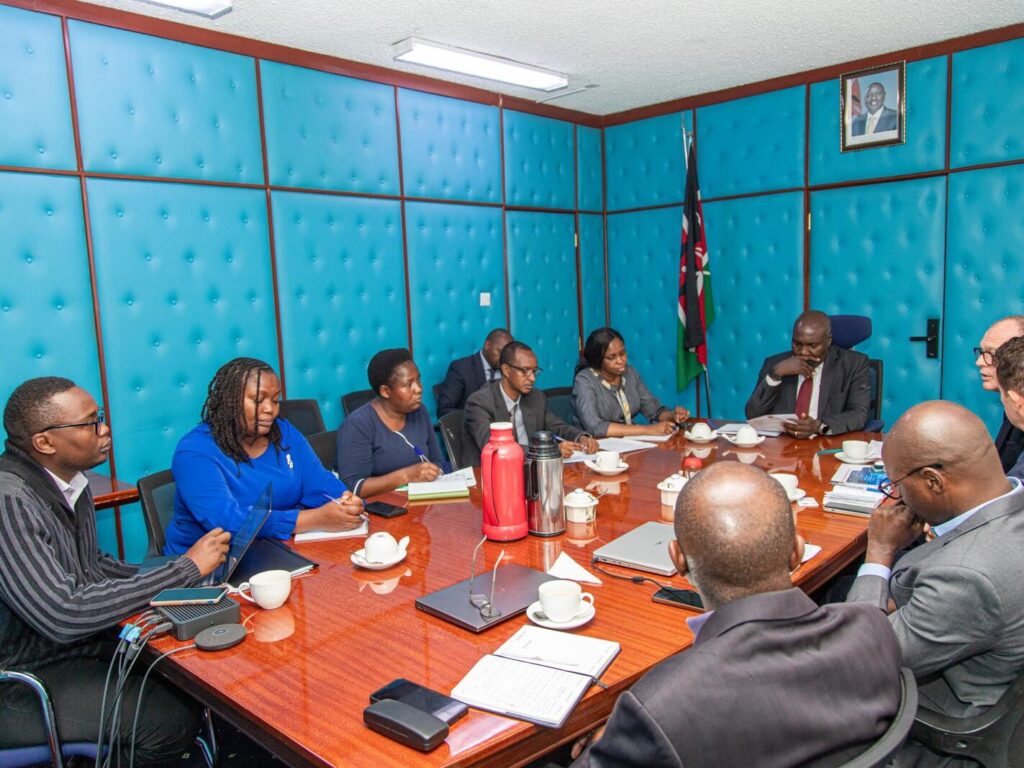
Principal Secretary for Water Julius Korir announced the latest developments following a consultative meeting with officials from the Royal Danish Embassy, led by Jorgen Erik Larsen, and representatives of the International Union for Conservation of Nature (IUCN).
The discussions focused on programme implementation, institutional coordination and interventions that will ensure communities living within the targeted river basins benefit directly from improved water security and climate resilience.
Korir committed to establishing a Project Coordination Unit within the Ministry of Water to oversee implementation. He also called for citizen-facing interventions to be prioritised, particularly those that improve access to water, strengthen livelihoods and support communities affected by unreliable water supplies.
The programme is Denmark’s contribution to the European Union’s Team Europe Initiative on Transboundary Water Management in Africa. It is implemented through IUCN in partnership with the United Nations Environment Programme and the UNEP-DHI Centre, working with the governments of Kenya, Tanzania and Uganda.
The programme comes at a time when water-resource management is becoming increasingly important across the region.
Rivers, lakes, wetlands, forests and underground aquifers form interconnected systems that support domestic water supply, agriculture, livestock production, industries and biodiversity.
However, these resources face pressure from population growth, expanding agricultural activities, deforestation, pollution, unregulated water abstraction and changing rainfall patterns.
Kenya shares several water resources with neighbouring countries. This makes cooperation with other riparian states important because activities taking place upstream can influence water availability and quality downstream.
For example, deforestation, cultivation along riverbanks, soil erosion and pollution in one part of a catchment can affect communities and ecosystems in another country.
Similarly, excessive water abstraction, wetland destruction and poorly managed agricultural activities can affect river flows, groundwater recharge and the availability of water during prolonged dry periods.
Climate change adds another layer of pressure through increasingly unpredictable rainfall, droughts and flooding, making it difficult for communities and water-resource institutions to plan and manage supplies.
The Mara River Basin is an important water system shared by Kenya and Tanzania. The river supports communities, agricultural activities, livestock and the wider Maasai Mara–Serengeti ecosystem, which is internationally recognised for its biodiversity and wildlife migration.
However, the basin faces threats from degradation of the Mau Forest catchment, agricultural expansion, riverbank destruction and pollution.
Deforestation and changing land-use patterns can affect the river’s ability to sustain natural water flows. Agricultural waste, mining activities and untreated wastewater from settlements can also contribute to pollution.
These challenges affect not only water availability for communities but also the ecological systems that depend on the river.
The Sio–Malaba–Malakisi Basin, shared between Kenya and Uganda, faces similar pressures.
The basin supports communities whose livelihoods depend heavily on agriculture. However, intensive cultivation, poor farming practices, soil erosion and indiscriminate sand harvesting contribute to catchment degradation and declining water quality.
These challenges demonstrate why individual interventions by one country may not be sufficient to protect shared water resources.
Recent assessments conducted under CREATES have identified 235 potential intervention sites across the two river basins, with 128 prioritised for integrated water infrastructure and nature-based solutions.
The proposed interventions include protecting springs, planting indigenous trees, restoring riverbanks, rehabilitating water pans and small dams, controlling soil erosion and protecting groundwater recharge areas.
In the Mara Basin, proposed activities include spring protection, river corridor rehabilitation, restoration of riparian vegetation and improved water storage facilities.
In the Sio–Malaba–Malakisi Basin, assessments have identified potential sites covering natural water sources, wetlands, boreholes, erosion hotspots, riverbanks and rainwater harvesting opportunities.
The programme also seeks to promote agroforestry, bamboo production, beekeeping, fruit-tree growing and community nurseries as ways of linking environmental restoration with income generation.
These interventions are important because healthy catchments help regulate water flows, reduce sedimentation, improve water quality and support groundwater recharge.
Protecting riverbanks and wetlands also helps reduce the amount of soil and pollutants entering rivers, lowering pressure on water treatment facilities and supporting healthier aquatic ecosystems.
For communities, improved water storage, spring protection and rehabilitation of existing water infrastructure can provide more reliable supplies for domestic consumption, livestock and small-scale irrigation.
Beyond physical infrastructure, CREATES seeks to strengthen institutional capacity, improve hydrological information systems and support joint decision-making between the three countries.
The initiative recognises that shared water resources require common management approaches, reliable information exchange and cooperation between national governments, water authorities, local institutions and communities.
The Ministry of Water’s Project Coordination Unit is expected to provide a central mechanism for overseeing Kenya’s participation and coordinating activities with development partners and other implementing institutions.
The programme also supports wider regional efforts to promote equitable and sustainable management of shared water resources.
Ultimately, the success of CREATES will depend on whether regional cooperation translates into practical improvements in water availability, environmental protection and livelihoods.
For Kenya, Tanzania and Uganda, protecting shared rivers is not simply an environmental responsibility. It is also essential for food production, economic development, biodiversity conservation and long-term water security.
The initiative therefore places catchment restoration, community participation and regional cooperation at the centre of efforts to safeguard water resources for present and future generations.