Kenya’s efforts to expand water storage and secure reliable supplies for Lower Eastern are entering a critical stage, with the Thwake Multipurpose Dam reaching 94.2 per cent completion as the government steps up interventions to protect the river system feeding the reservoir.
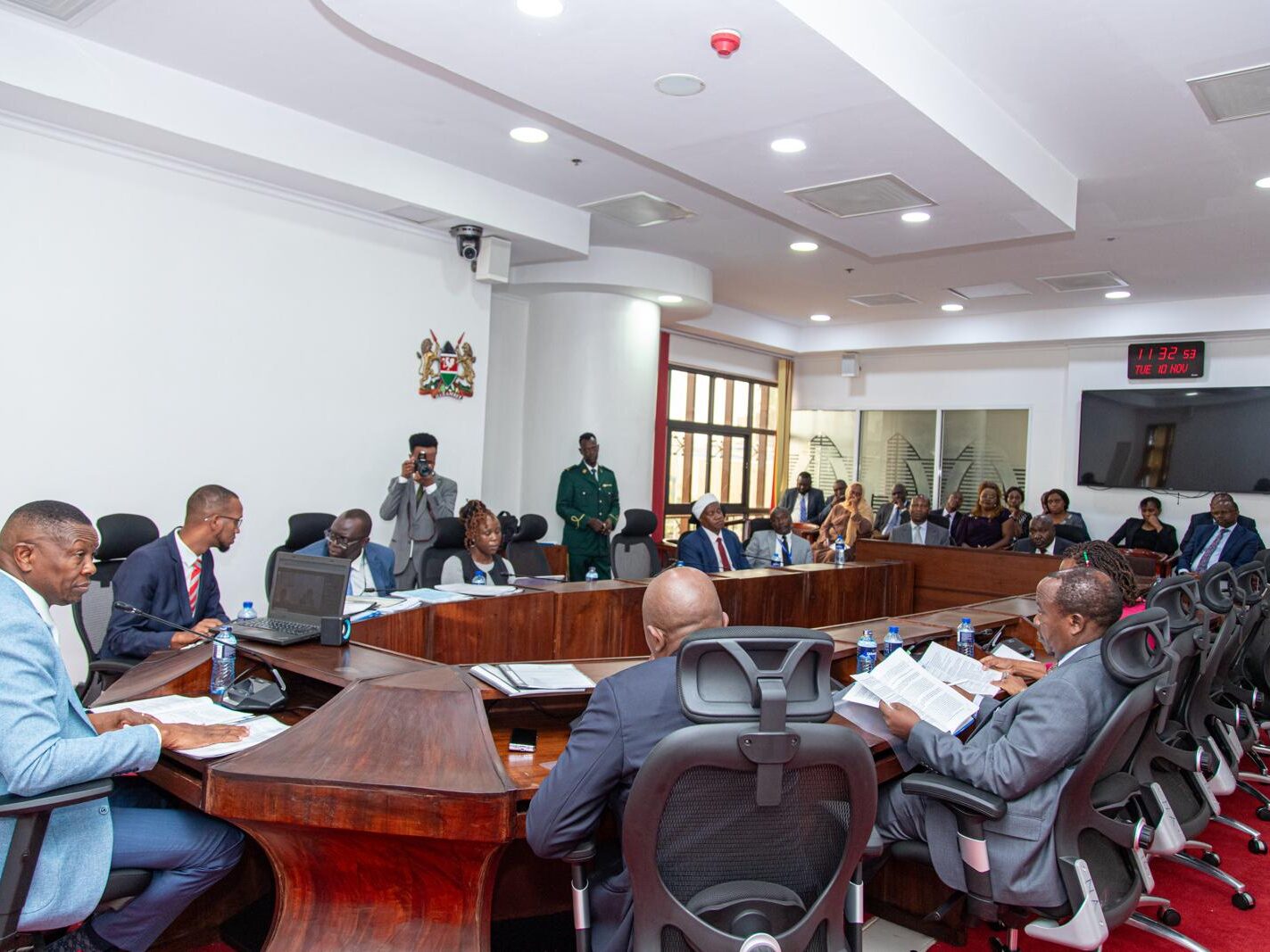
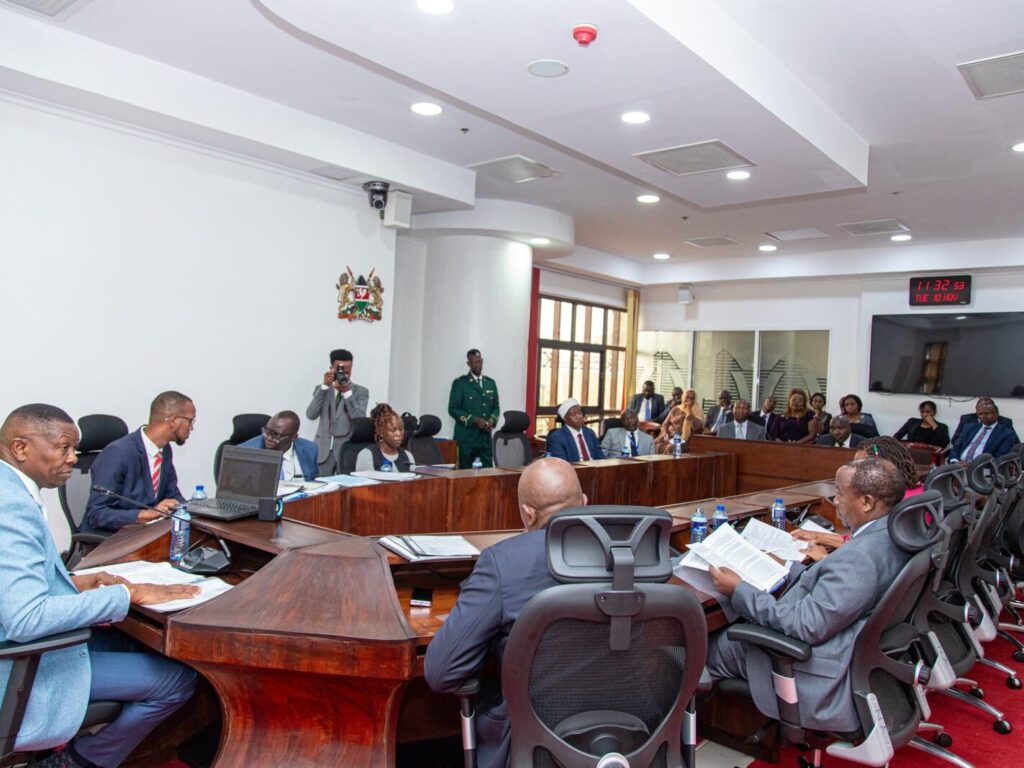
Principal Secretary for Water and Sanitation Julius Korir told the National Assembly Departmental Committee on Blue Economy, Water and Irrigation that the remaining construction works were being fast-tracked to facilitate the commencement of water impoundment in April 2027.
The project, located at the confluence of the Athi and Thwake rivers along the Makueni and Kitui county boundary, is expected to become one of Kenya’s major multipurpose water infrastructure investments, serving domestic, agricultural and energy needs.
Once fully developed, the project is designed to supply approximately 150,000 cubic metres of treated water daily to an estimated 1.3 million people, support irrigation across up to 40,000 hectares and generate 20 megawatts of hydropower.
The dam will also help regulate flows along the Athi River, providing an additional mechanism for flood mitigation and drought management in downstream areas.
The African Development Bank (AfDB), one of the project’s key development partners, approved an additional €68.39 million in financing in May 2026 to support completion of the first phase and address engineering requirements, including raising the dam height and strengthening its foundations.
The additional financing followed implementation challenges that had slowed construction, including cash-flow constraints. The contractor, China Gezhouba Group Company, resumed work following the funding intervention.
However, completing the dam embankment is only part of the wider development programme. Water supply, sanitation, hydropower and irrigation infrastructure will require subsequent investments before the full benefits can reach households and farmers.
The project has an estimated storage capacity of 688 million cubic metres, making it a significant addition to Kenya’s national water storage infrastructure and a strategic investment for a region frequently affected by water shortages.
Beyond construction progress, Korir’s engagement with Parliament also highlighted the relationship between Thwake Dam and the Nairobi Rivers Regeneration Programme, bringing environmental protection into focus as the country prepares to store water in the reservoir.
The Nairobi River system forms part of the wider Athi River Basin, with the Nairobi, Ngong and Mathare rivers and their tributaries eventually joining the Athi River, which flows downstream towards Thwake Dam.
This geographical connection makes pollution control in Nairobi important to the long-term management of water resources downstream.
The Nairobi Rivers Regeneration Programme is designed to address pollution from untreated sewage, industrial discharge, solid waste disposal, degradation of riparian land and inadequate drainage systems.
The Nairobi Rivers Commission coordinates the multi-agency programme, which targets approximately 175 kilometres of river corridors, extending from Nairobi through the wider Athi River system towards Thwake Dam.
The programme recognises that restoring rivers requires more than removing visible waste. It also involves improving sewerage infrastructure, protecting wetlands, reclaiming riparian reserves, controlling pollution and strengthening water-quality monitoring.
A 2025 environmental assessment for the Nairobi River Basin rehabilitation programme identified higher pollution levels in rivers passing through densely populated settlements, particularly where sanitation infrastructure is inadequate and sewer overflows occur.
The assessment, however, observed that water quality improves downstream after Thika 14 Falls and that organic pollution levels at Thwake are sufficiently low for conventional drinking-water treatment. Continued monitoring remains necessary to identify changes and protect the river system.
This reinforces the importance of maintaining environmental interventions even as the dam approaches completion.
The National Environment Management Authority (NEMA), through its enforcement and compliance mandate, is among the institutions expected to support efforts to control pollution and ensure that activities along the river corridors comply with environmental requirements.
Korir’s parliamentary briefing was attended by Nairobi Rivers Commission Chief Executive Officer Brigadier (Rtd) Joseph Muracia, Commissioner Dr Loice Kipkiror and NEMA Director of Enforcement Dr Ayub Macharia.
The involvement of the three institutions highlights the need for coordinated action between water infrastructure developers, environmental regulators and river restoration agencies.
For Thwake Dam, the quality of the wider catchment will remain an important consideration beyond the construction period. Pollution, sedimentation and uncontrolled activities within the river basin can increase water treatment costs, affect reservoir performance and undermine the sustainability of the investment.
The project therefore presents two interconnected responsibilities for the government: completing major water infrastructure and protecting the natural resources on which that infrastructure depends.
As Kenya moves towards the planned impoundment of Thwake Dam, the success of the investment will ultimately be measured not only by the volume of water stored but also by the ability of institutions to deliver treated water, expand irrigation and maintain the environmental health of the river system.