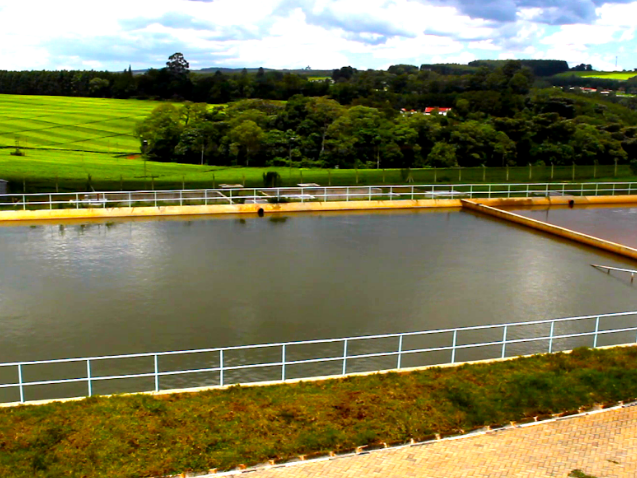
The national government is preparing to invest Sh2.6 billion in water supply and sanitation infrastructure in Kericho and Litein municipalities, in a project expected to improve access to clean water, expand sewerage services and strengthen wastewater management.
Construction is scheduled to begin in March 2027 after completion of procurement processes. The project will be jointly financed by the Government of Kenya and the German Development Bank (KfW), with the Lake Victoria South Water Works Development Agency (LVSWWDA) overseeing implementation.
The investment comes amid growing demand for water and sanitation services in Kericho County, where population growth and expanding urban settlements have increased pressure on existing infrastructure.
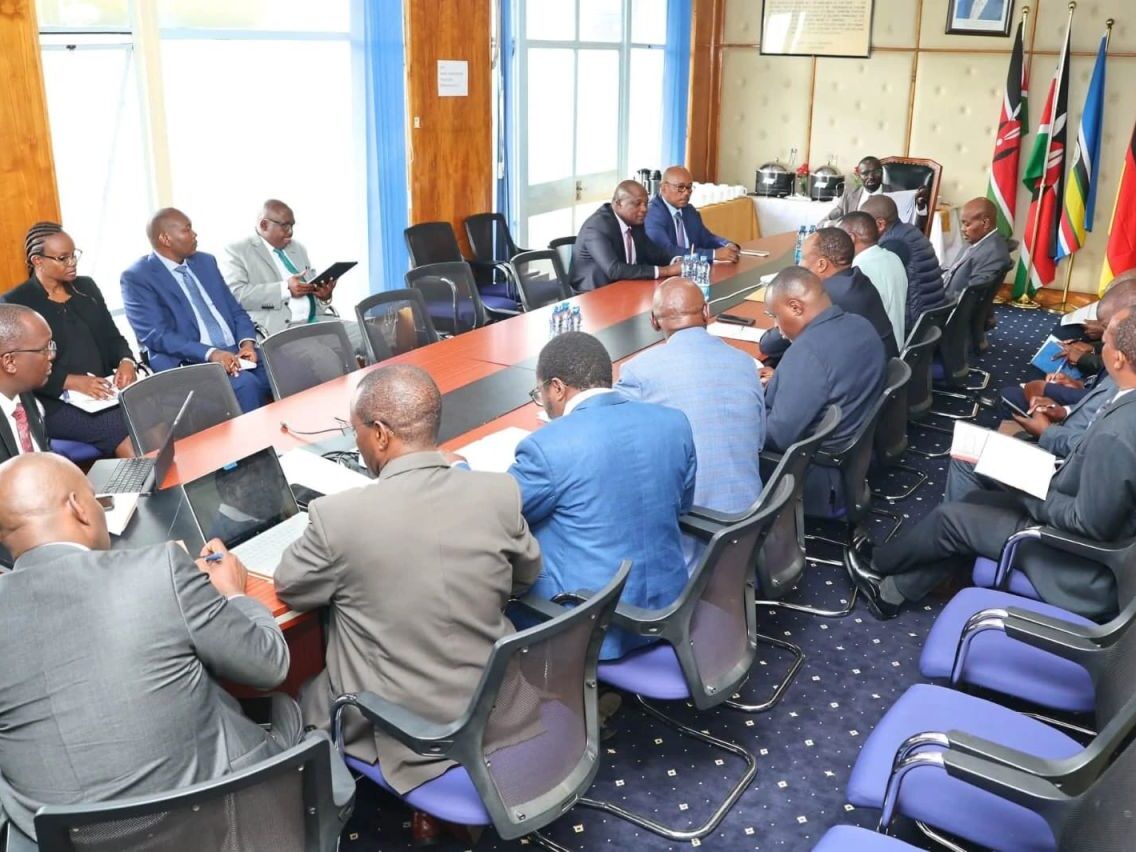
Details presented by Kericho Water and Sanitation Company (KEWASCO) during a meeting of the National Government Development County Implementation Coordination and Management Committee indicate that the project will involve extensive rehabilitation and expansion of water distribution networks in Kericho Municipality.
The works will include rehabilitation of 38.89 kilometres of existing pipelines and construction of an additional 38.65 kilometres of distribution networks. The improvements are expected to strengthen water delivery to households and businesses while extending services to areas that have experienced inadequate supply.
The sanitation component will involve rehabilitation and expansion of 41 kilometres of sewerage infrastructure. The wastewater treatment plant in Kericho will also undergo a major capacity upgrade, increasing its daily treatment capacity from 660 cubic metres to 3,500 cubic metres.
The Central Business District South Pumping Station will also be rehabilitated to improve the movement of wastewater through the sewerage network and support more efficient treatment.
In Litein, the project will focus on improving water treatment and expanding sanitation infrastructure. Planned works include rehabilitation of the existing water treatment plant, which has a design capacity of 8,000 cubic metres per day, improvements to the distribution network and construction of a faecal sludge treatment facility.
The new facility will provide an organised system for handling waste from septic tanks and pit latrines, reducing the risks associated with uncontrolled disposal of human waste. This is particularly important in growing towns where sewerage coverage remains limited and many households depend on onsite sanitation systems.
The project forms part of the wider Wastewater Management at Lake Victoria South Programme, which seeks to improve sanitation infrastructure and reduce pollution entering Lake Victoria and its surrounding catchments. The programme covers Kericho, Litein and Kisii towns, with an overall objective of improving wastewater treatment, increasing access to safe water and protecting water resources.
The wider programme targets approximately 274,000 people through improved water supply and sanitation services. In Kericho County, the planned expansion is expected to increase the population covered by clean water and sanitation services from about 72,000 to 94,000 people.
The investment also builds on previous water infrastructure interventions undertaken by LVSWWDA in the region, including the expansion of water supply systems in Kericho town. Earlier works supported by the German government through KfW included improvements to water intake infrastructure, treatment capacity, storage facilities and distribution pipelines.
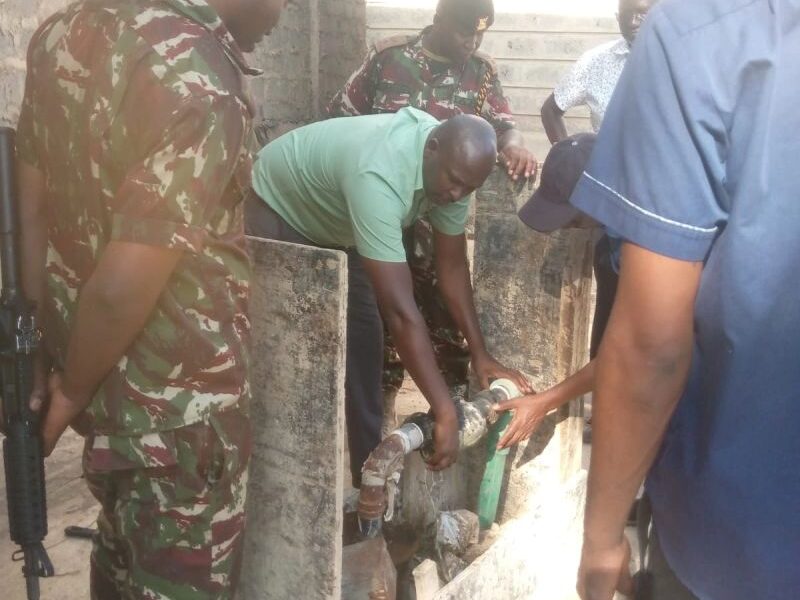
Meanwhile, another water infrastructure project in the county is nearing completion. The Sh147 million Kabianga Water Supply Project Phase One has reached 90 per cent completion, with commissioning targeted for December 2026.
Implemented by LVSWWDA using government funding, the project is designed to improve water access in Kabianga and Chepnyogaa. Its components include an intake facility, a treatment plant with a daily production capacity of 2,000 cubic metres, three water kiosks, a 200-cubic-metre elevated storage tank and nine kilometres of distribution pipelines.
The project is expected to benefit surrounding communities and institutions, including the University of Kabianga, by providing a more dependable source of treated water.
Despite these investments, KEWASCO has identified water storage and raw water availability as major challenges affecting supply, particularly during dry periods.
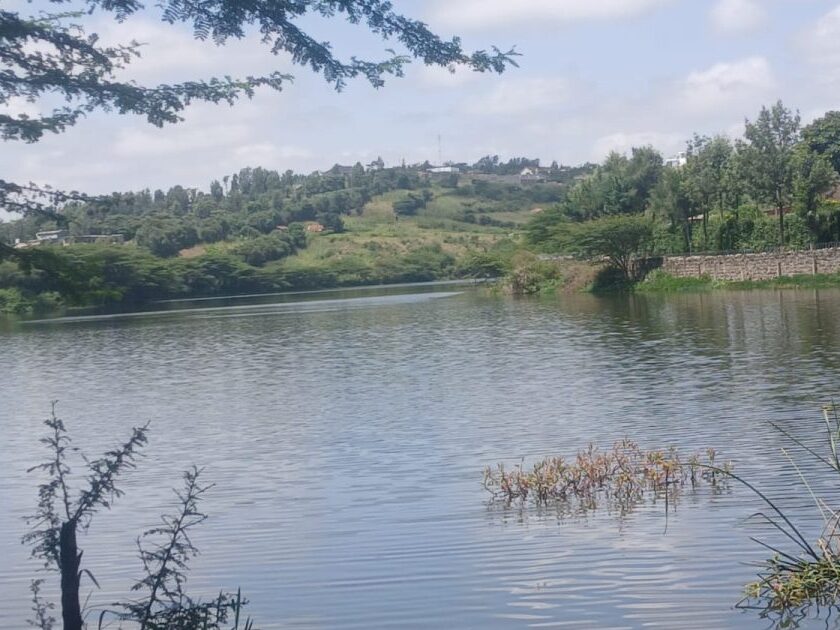
The company has proposed construction of the Sh1.596 billion Timbilil Dam, which would have a storage capacity of 1.4 million cubic metres and incorporate a mini-hydropower generation component.
The proposed dam is intended to address fluctuations in raw water availability, which can cause daily abstraction to decline from approximately 8,500 cubic metres to as low as 2,000 cubic metres during dry seasons. Such reductions affect the company’s ability to maintain consistent production and supply to consumers.
Other priority investments include rehabilitation of the non-operational Kipkelion Water Supply Scheme at an estimated cost of Sh798.8 million and expansion of the Fort-Ternan water supply system, estimated at Sh794.6 million.
KEWASCO has also proposed a Sh257.4 million Kericho-Litein bulk water conveyance system involving a 37.4-kilometre pipeline and an 800-cubic-metre reservoir. The infrastructure would strengthen bulk water movement between the two urban centres and support future expansion of supply networks.
Additional proposed investments include water supply improvements in Londiani and the Chelimo/Kevoko Special Economic Zone, as well as decentralised sanitation facilities for satellite towns.
The projects will require feasibility studies, detailed engineering designs and financing before implementation.
The planned Sh2.6 billion investment therefore represents an important intervention in addressing Kericho County’s water and sanitation infrastructure needs. However, the wider list of proposed projects highlights the need for sustained investment in water storage, treatment, distribution and wastewater management to keep pace with urban growth and increasing demand.