









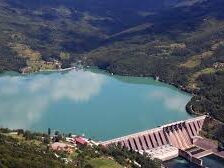
Kenya is pursuing one of its most ambitious water infrastructure developments, a proposed KSh337 billion multipurpose dam on the Tana River that could significantly expand the country’s water storage capacity, support large-scale irrigation and strengthen electricity generation.
The Kibuka Falls Hydropower and Irrigation Dam, formerly known as High Grand Falls Dam, is planned along the Tana River near the boundary of Kitui and Tharaka Nithi counties, approximately 50 kilometres downstream of the Kiambere Hydropower Dam.
The project is designed as a major water storage and river management facility, with a proposed reservoir capacity of 5.6 billion cubic metres covering an area of more than 165 square kilometres. The dam is expected to stand approximately 115 metres high, making it a substantial engineering structure in Kenya’s water infrastructure development plans.
At its proposed capacity, the reservoir would hold 5.6 trillion litres of water, creating a significant storage facility for regulating river flows, supporting irrigation and improving the management of water resources within the Tana River Basin.
The project is estimated to cost KSh337 billion and is being developed through a public-private partnership framework involving government agencies responsible for energy and irrigation. Its development is expected to integrate water storage, hydropower generation, flood management and agricultural production.
Under the proposed design, the facility is expected to generate between 500 and 700 megawatts of electricity, with longer-term expansion potential. It would become one of the country’s largest hydropower developments, adding renewable electricity to the national grid while strengthening the connection between water resource management and energy production.
However, its potential impact extends beyond electricity generation.
The Tana River is Kenya’s longest river and an important source of water for domestic consumption, agriculture, hydropower generation and industrial activities. Its catchment supports several existing hydropower facilities, including Masinga, Kamburu, Gitaru, Kindaruma and Kiambere dams.
These facilities play an important role in regulating river flows and generating electricity. However, fluctuations in rainfall and prolonged dry periods can affect water availability across the basin, with implications for electricity production, irrigation and downstream communities.
The proposed Kibuka Falls reservoir would introduce additional storage capacity into this system, potentially improving the ability to retain water during periods of high river flows and regulate releases during drier months.
For water security, this could provide an important buffer against seasonal variations in rainfall. Stored water could support downstream uses, subject to approved water allocations, environmental requirements and the final operating arrangements.
Agriculture is another major component of the project. Government project documents identify irrigation development covering approximately 400,000 acres as part of the proposed scheme.
The irrigation component could expand agricultural production in parts of eastern and coastal Kenya, where farming activities are frequently affected by unreliable rainfall. Access to regulated water supplies would create opportunities for commercial agriculture, food production and employment.
The development could also support flood management by regulating peak river flows during periods of heavy rainfall. Controlled releases from the reservoir could help reduce downstream flood risks, although the actual benefits would depend on reservoir operating rules, available storage capacity and rainfall conditions.
Despite these anticipated benefits, the scale of the project raises important questions about its environmental and social implications.
Large reservoirs alter natural river systems by changing the timing and volume of water flowing downstream. They can also affect fish habitats, sediment movement, wetlands and livelihoods that depend on seasonal flooding.
Communities living along the Tana River depend on its water for farming, fishing, livestock and other economic activities. Any major changes to river flows could therefore affect their livelihoods, particularly where agricultural systems depend on natural flooding and seasonal water availability.
Ensuring adequate environmental flows will be essential to maintaining river ecosystems and protecting downstream communities. The project will also require careful consideration of land acquisition, resettlement, compensation and the rights of people living within the proposed reservoir area.
The financial and implementation requirements are equally significant. At an estimated KSh337 billion, the project will require a substantial financing arrangement, clear allocation of risks between public and private partners and strong oversight throughout its development.
The government has revived the project under a new public-private partnership framework after terminating an earlier procurement arrangement in July 2025. In October 2026, the National Treasury re-advertised the procurement of transaction advisers to guide the project’s financing, structuring and implementation.
The new procurement is scheduled to close on November 24, 2026. This means the project remains in the development and transaction-advisory stage rather than the construction phase.
The proposed investment is part of Kenya’s wider ambition to increase water storage, strengthen climate resilience and expand irrigation as pressure on existing water resources grows.
Ultimately, Kibuka Falls could become a major component of Kenya’s long-term water and energy infrastructure. Its success, however, will depend on whether the government can mobilise the required financing, complete the necessary environmental and technical assessments and establish a sustainable framework for sharing the stored water.
Beyond the size of the dam and its electricity generation potential, its lasting significance will be measured by how effectively it improves water availability, supports agricultural production and protects the communities and ecosystems that depend on the Tana River.