The Government is advancing plans to construct a 450-million-litre water dam in Garissa County as part of a wider strategy to reclaim degraded land, expand irrigated fodder production and strengthen the resilience of pastoral communities against recurring droughts.
The proposed Borane Dam, located in Lagdera Constituency, is expected to provide a reliable water source for the production of livestock feed, support community feedlots and improve the productivity of pastoral households that depend largely on livestock keeping.
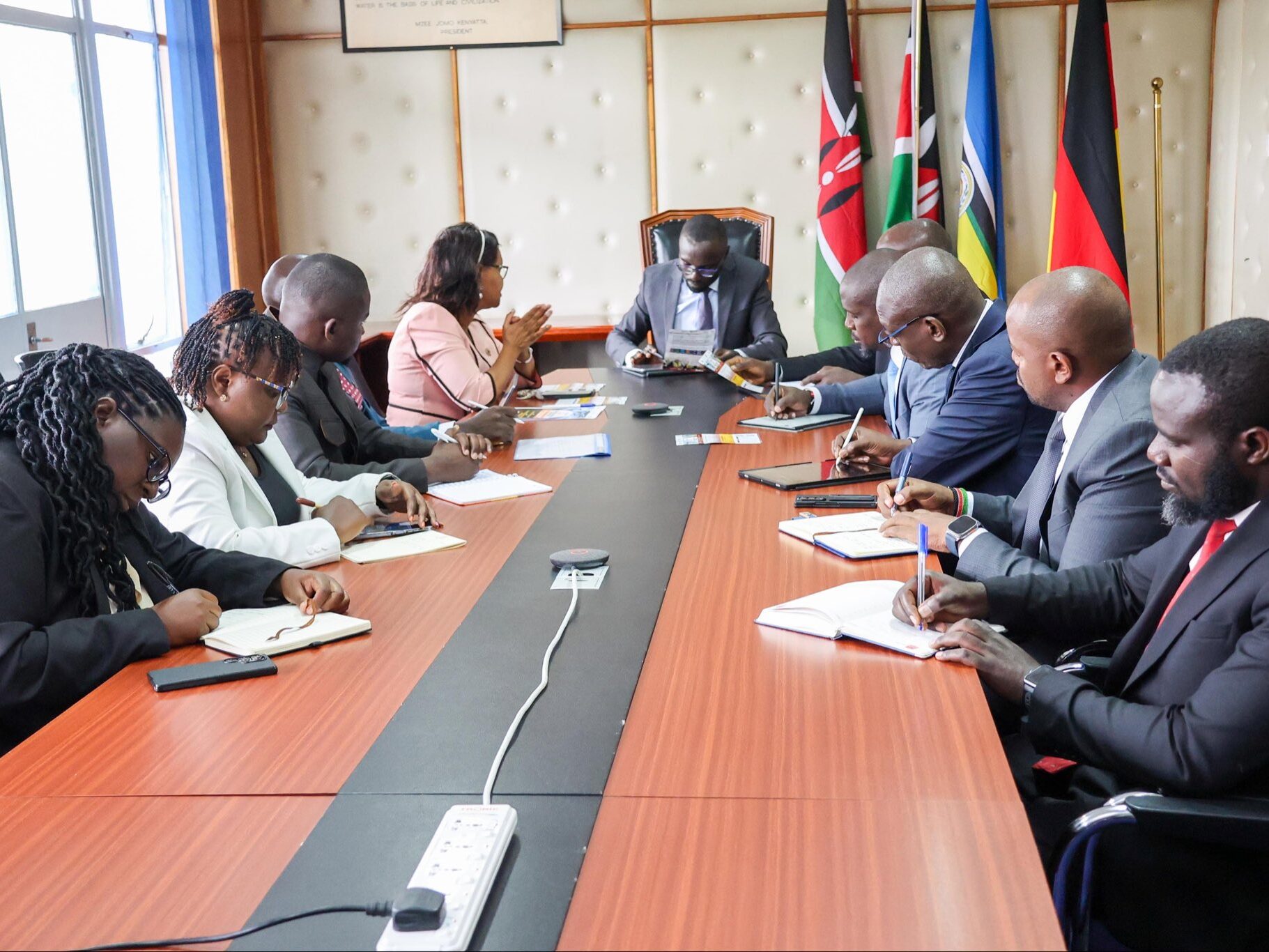
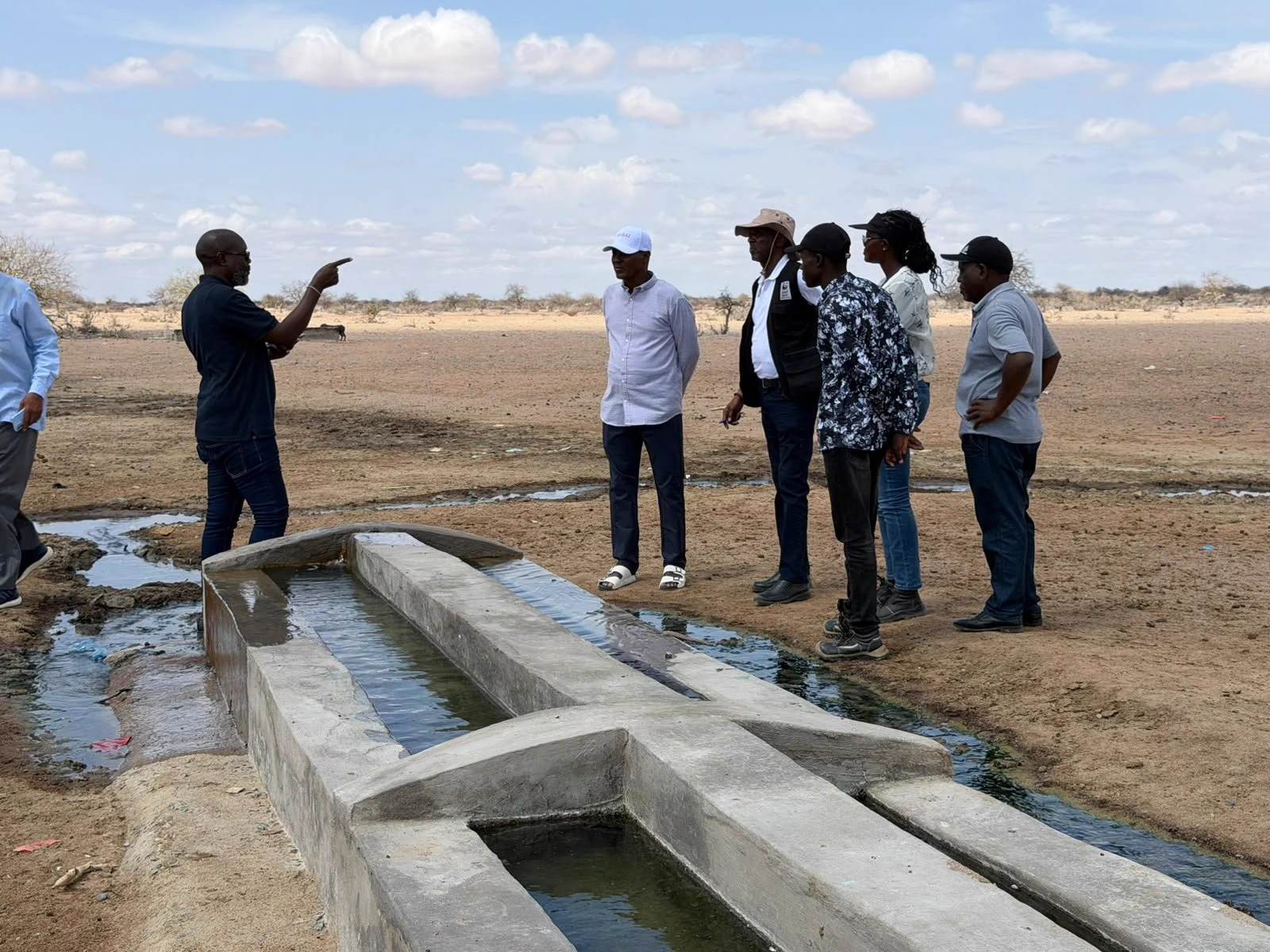
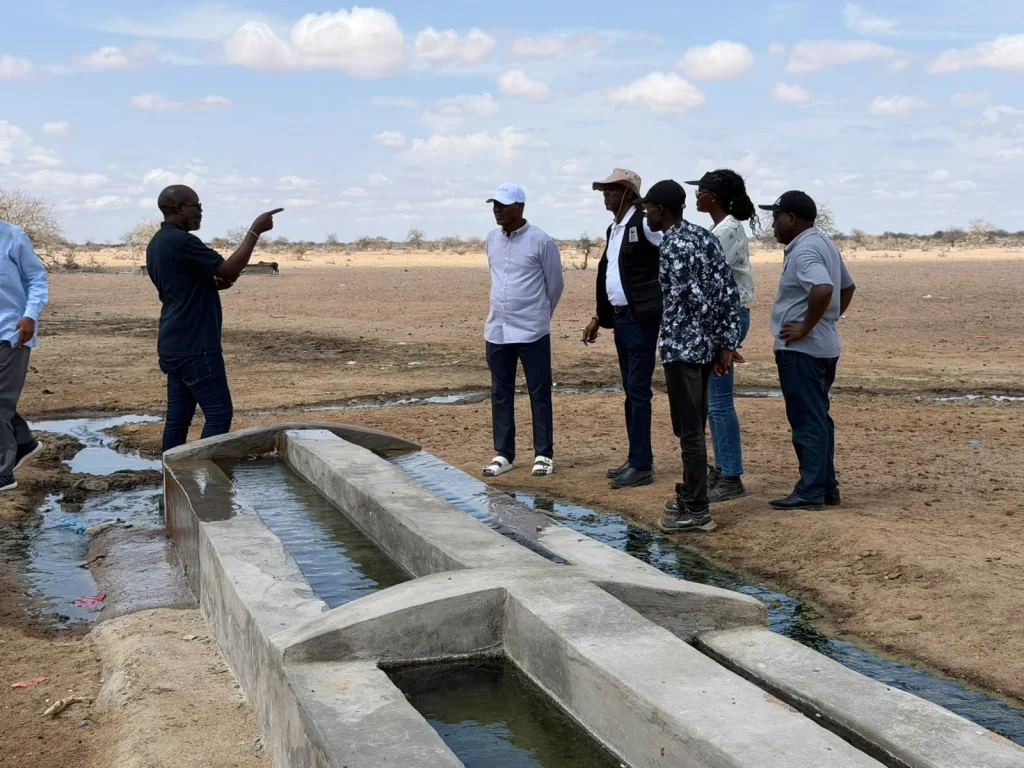
Irrigation Secretary Joel Tanui led a team of engineers from the State Department for Irrigation in an assessment of the proposed project ahead of its implementation, marking another step in the government’s efforts to expand water harvesting and storage infrastructure in the country’s arid and semi-arid regions.
With a planned storage capacity of 450,000 cubic metres, equivalent to 450 million litres, the dam is expected to support irrigated fodder production for the Borane community. The stored water will help address the challenge of inadequate pasture, particularly during prolonged dry seasons when natural grazing areas become depleted and livestock keepers struggle to secure sufficient animal feed.
The project is also expected to facilitate the establishment of community feedlots, creating opportunities for more organised livestock production and potentially improving the quality and market value of animals before they are sold.
The investment comes against the backdrop of growing pressure on pastoral livelihoods in northern Kenya, where recurrent droughts, declining pasture availability and unreliable water supplies have repeatedly disrupted livestock production and household incomes.
Kenya’s arid and semi-arid lands occupy approximately 80 to 89 per cent of the country’s territory and support a substantial proportion of its livestock population. These regions experience highly variable rainfall, making dependence on natural pasture and seasonal water sources particularly risky for pastoral communities. State Department for Irrigation+1
The Borane project is consistent with the National Irrigation Sector Investment Plan (NISIP), a 10-year government framework launched in 2025 to expand irrigation, improve agricultural productivity and strengthen food security. The plan identifies revitalising irrigation in ASAL regions as one of its five priority investment pathways, with a specific focus on increasing food and fodder production in vulnerable pastoral communities.
Under this pathway, the government targets the development of an additional 140,000 acres for irrigation in ASAL areas, comprising 100,000 acres supported by surface water storage and 40,000 acres through green-water interventions. The plan proposes investments in small and medium-sized dams, rainwater harvesting, floodwater irrigation and groundwater development to improve the availability of water for agricultural production. irrigation.go.ke
The land reclamation programme also forms part of a broader government strategy to establish 450 livestock feedlots across 31 ASAL counties. According to the State Department for Irrigation, the initiative is intended to provide water for fodder production while rehabilitating underutilised and degraded land surrounding the proposed feedlot sites. The approach is designed to reduce the vulnerability of livestock communities to severe drought conditions by ensuring that feed and water are available beyond the rainy seasons. State Department for Irrigation
The financial commitment to land reclamation is also reflected in the government’s budget allocations. Open Budget Kenya records an allocation of Sh90 million for the Land Reclamation for Climate Resilience and Livelihood Enhancement programme in 2026, compared with Sh100 million in 2025 and Sh120 million in 2024. The programme’s performance targets include constructing water harvesting structures with a cumulative storage target of 640,000 cubic metres in 2026, rising to 1.5 million cubic metres by 2028. These allocations cover the wider programme and are not specifically assigned to the Borane Dam. Open Budget Kenya
Beyond providing water for livestock feed, the Borane project is expected to support the transition towards more organised pastoral production, where communities can preserve fodder, manage livestock feeding and reduce dependence on increasingly unpredictable natural grazing patterns.
However, the long-term benefits will depend on the successful implementation of the dam, effective management of stored water and sustainable operation of the irrigation facilities. Community participation in managing the infrastructure will also be important in ensuring that the investment continues to benefit pastoral households.
The proposed dam therefore represents part of a wider shift towards using water infrastructure not only to meet immediate water needs but also to support agricultural production, restore degraded landscapes and create more reliable economic opportunities in drought-prone parts of the country.