









Kenya is moving to strengthen the regulation and management of groundwater resources through new policies, regulations and technical guidelines being developed under the World Bank-supported Horn of Africa Groundwater for Resilience Project (HoAGW4RP).
The reforms are expected to improve borehole monitoring, regulate groundwater development and introduce Managed Aquifer Recharge (MAR) as part of broader efforts to strengthen water security and protect underground water reserves.
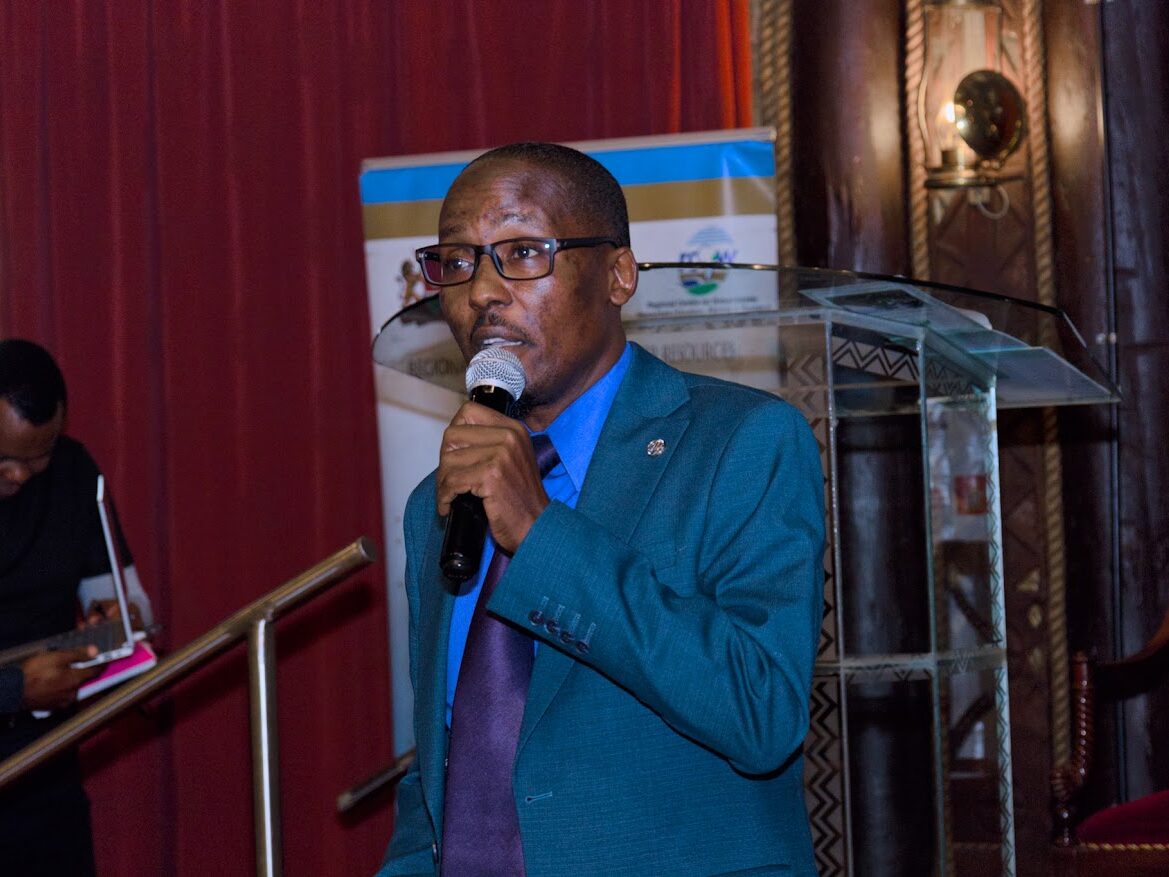
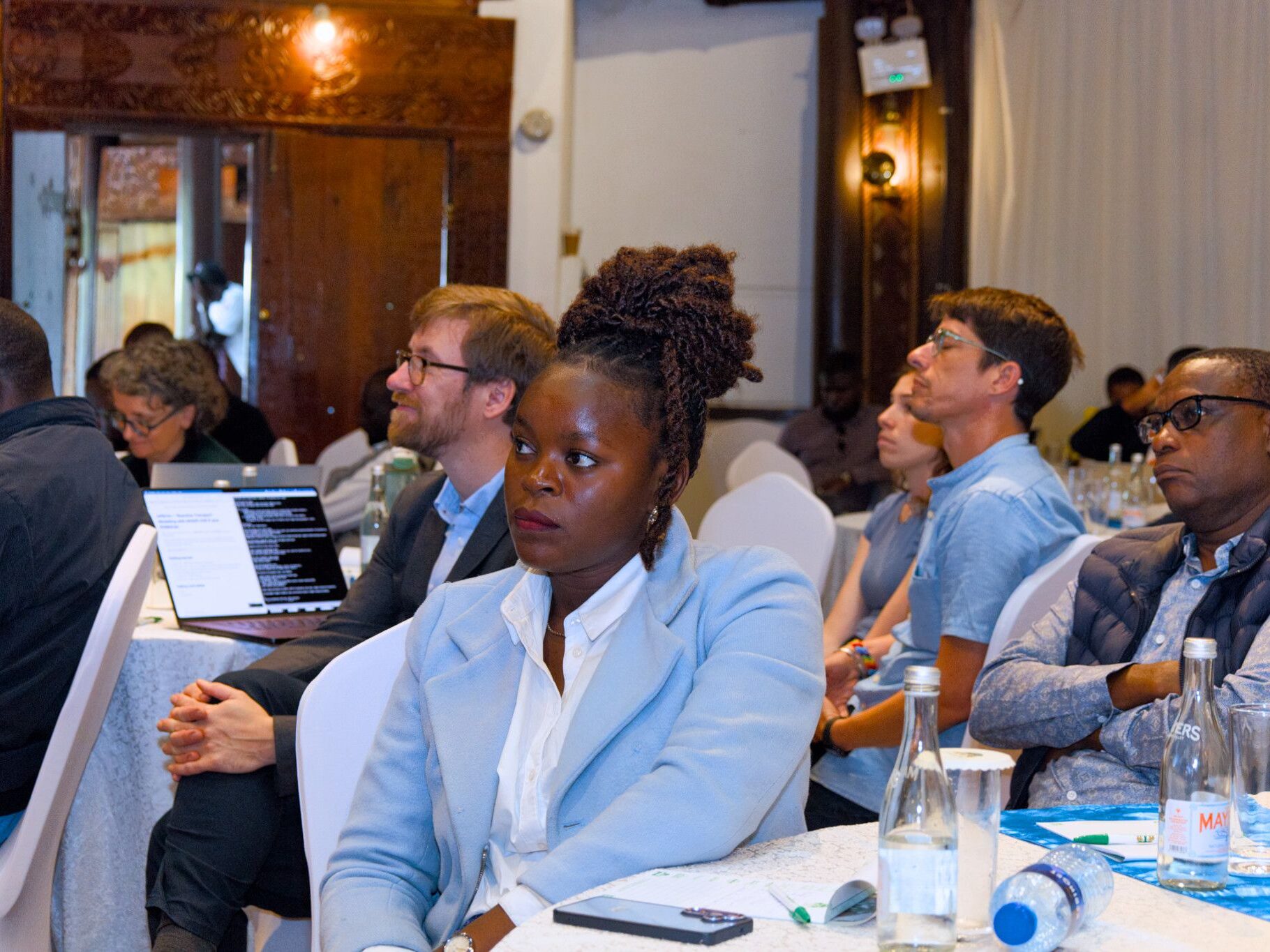
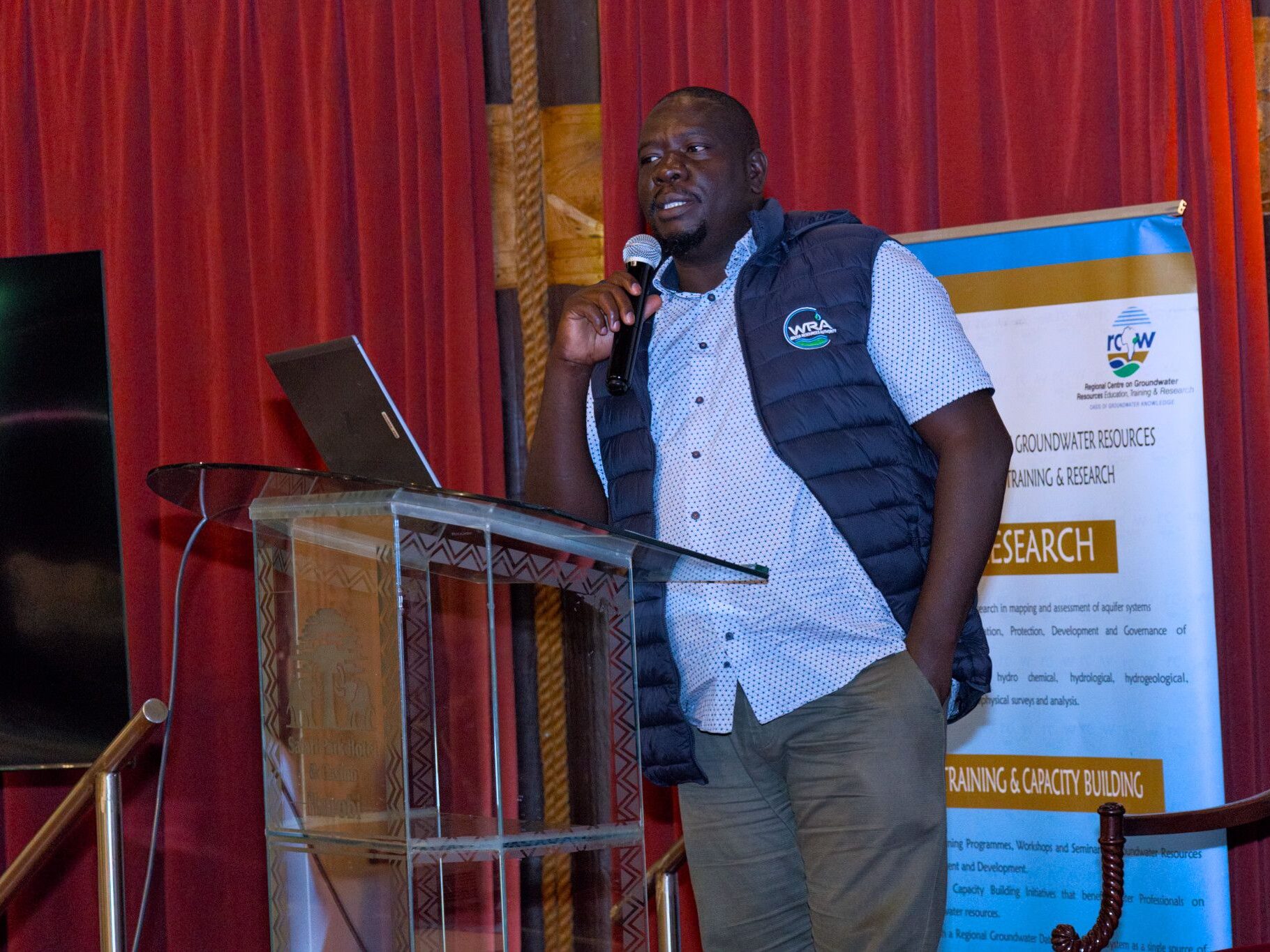
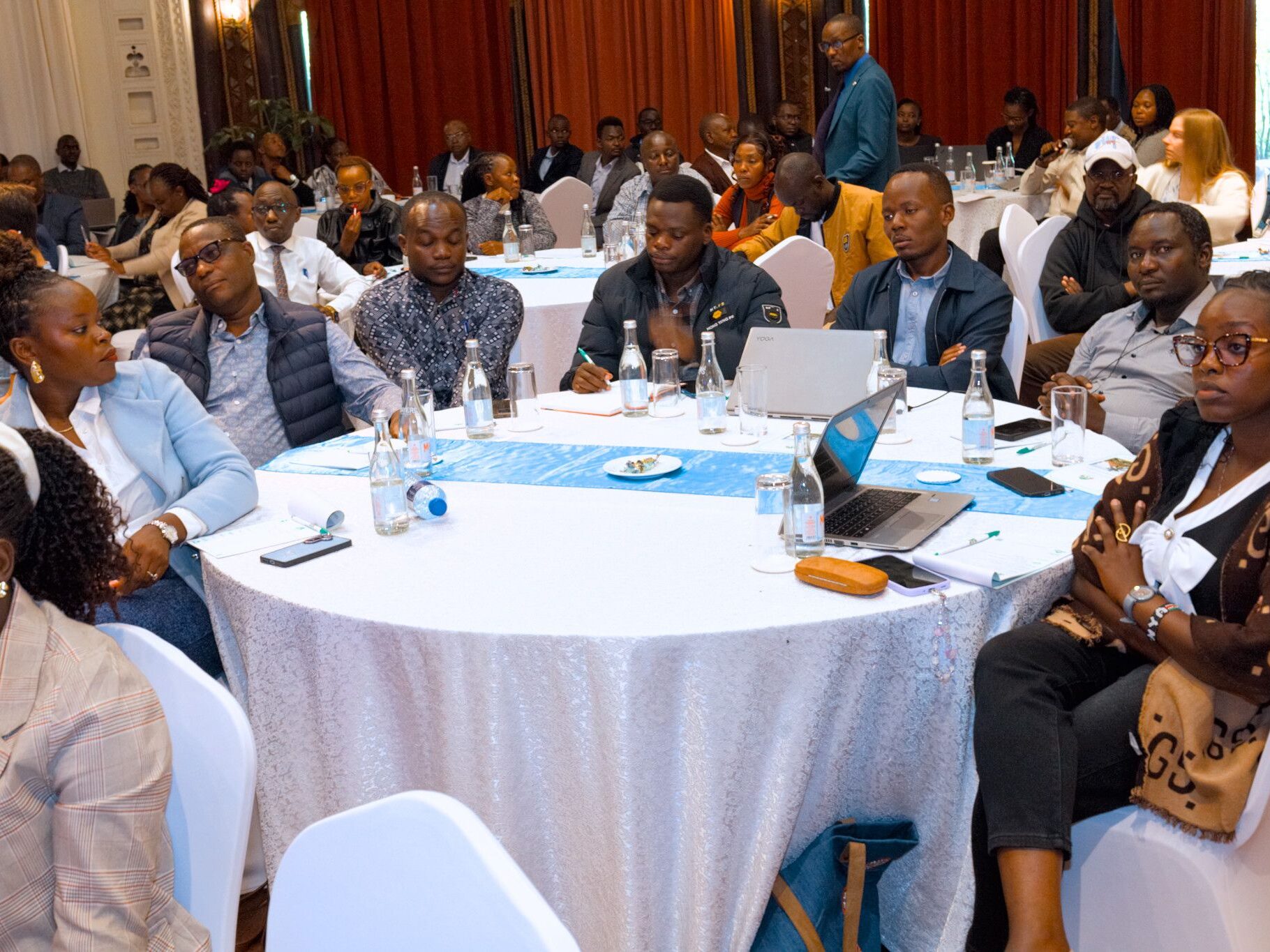
Progress on the policy and regulatory framework was reviewed on November 11 during the third day of a World Bank implementation support mission for the project, which is designed to improve groundwater access and resilience in the Horn of Africa.
A key development is the preparation of the National Groundwater Development and Management Strategy 2027–2032, alongside supporting regulations and ten technical guidelines. The instruments are in their final stages and are expected to establish a national framework for the sustainable development, use and protection of groundwater.
Among the proposed measures is the registration and monitoring of boreholes, which would strengthen oversight of groundwater abstraction and provide authorities with better information on the country’s underground water resources.
The framework will also establish a legal pathway for Managed Aquifer Recharge, a technique that involves deliberately directing excess surface water into underground aquifers for storage and future use.
The approach could help Kenya capture water during rainy seasons and retain it underground for use during prolonged dry periods, particularly in arid and semi-arid regions where communities depend heavily on boreholes.
The mission also reviewed Kenya’s progress in developing legal and policy frameworks for managing shared water resources. About 54 per cent of the country’s renewable water resources are shared with neighbouring countries, making cooperation on transboundary water management important.
The 2026 Transboundary Water Policy has been finalised, with the next stage involving legal drafting in collaboration with the Office of the Attorney General. Kenya is also preparing its country position paper to guide its engagement on shared water resources.
Beyond policy development, the project is investing in technical expertise through the Regional Centre on Groundwater, which is supporting 20 public servants pursuing Master’s degrees at Kenyan universities.
The current internship and short-course programmes are also nearing completion, with preparations under way for the next training cohort. The project plans to recruit 65 interns in 2027 to strengthen technical capacity in groundwater development and management.
The implementation mission further assessed contracts covering infrastructure works, consultancy services and procurement of goods, with discussions focusing on improving contract management to avoid delays in project delivery. The World Bank committed to expediting pending approvals on its side.
The Third-Party Monitoring Agent commended the Kenyan Government for its consultations and support, particularly in capacity building and project implementation.
For Kenya, the reforms come at a time when groundwater is becoming increasingly important in addressing water shortages, particularly in northern and eastern counties where unreliable rainfall and limited surface water supplies make underground reserves a critical source of water.
However, increased dependence on boreholes also raises concerns about unregulated drilling, excessive abstraction and limited information on the condition of underground aquifers.
The proposed strategy, regulations and technical guidelines are therefore expected to provide a stronger framework for managing groundwater as a strategic national resource while improving the country’s preparedness for drought and climate-related water shortages.