





Kenya’s water utilities have been challenged to improve operational efficiency and strengthen their financial performance to attract investment needed to expand and sustain water services.
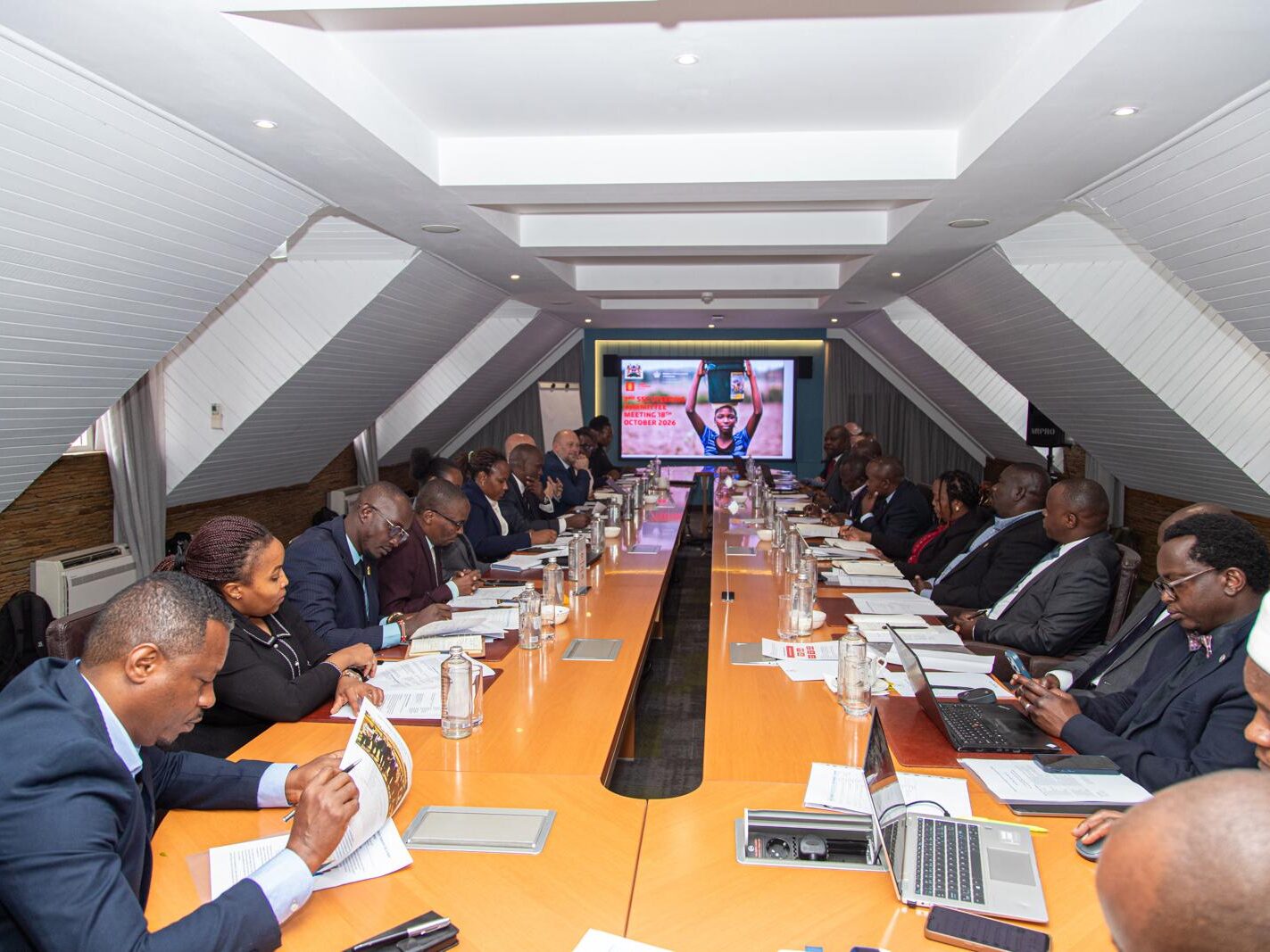
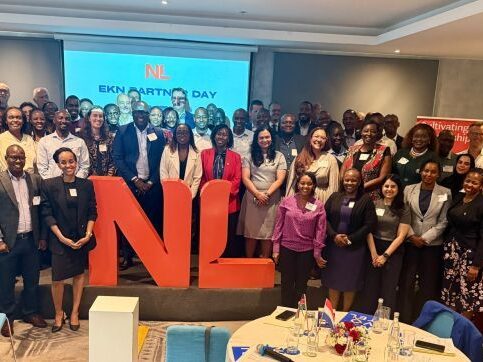
The call emerged during the 2026 Netherlands Embassy Water Partner Day, hosted by the Embassy of the Kingdom of the Netherlands in Kenya under the theme “Water as an Economic Good: Putting Value into Practice”.
Discussions focused on how water service providers can translate operational improvements into financial credibility and attract commercial and blended financing for infrastructure development.
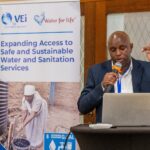
Rebel Group, working alongside Dutch water-sector partners VEI and Haskoning, convened a breakout session titled “From Utility Efficiency to Investment Readiness – Unlocking Finance and Technology for Sustainable Water Services”.
The session examined how water utilities can turn efficiency gains into creditworthiness and use improved financial standing to secure investment for sustainable service delivery.
Participants drew lessons from practical experiences under the WaterWorX programme, the Urban Water Catalyst Initiative (UWCI) and ongoing project development initiatives.
Key discussions centred on non-revenue water, operational inefficiencies and the financial challenges facing utilities seeking to improve service delivery while maintaining sustainable operations.
Non-revenue water remains a major concern for Kenya’s water sector, with losses arising from physical leakages, illegal connections, metering inaccuracies and other commercial inefficiencies. Such losses reduce the revenue available to utilities, limiting their ability to maintain infrastructure, expand distribution networks and improve services.
The discussions highlighted the importance of addressing these challenges before utilities approach lenders and investors for additional financing.
Improved operational performance can strengthen revenue collection, reduce unnecessary expenditure and demonstrate an organisation’s ability to manage infrastructure investments effectively.
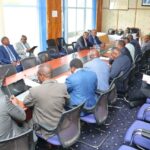
The breakout session included presentations, a panel discussion and group conversations involving water-sector professionals and development partners.
Among the panellists were Anthony Njaramba, chief executive of the Water Services Providers Association (WASPA), Nchoko Nanetia, Thomas Odongo and James Karuthiru Ndegwa.
The engagement also highlighted the potential role of commercial financing and blended finance in supporting water infrastructure development, particularly where utilities require additional capital beyond traditional government allocations and development assistance.
The discussions come as Kenya continues to face significant financing requirements for water supply, sanitation infrastructure and the expansion of reliable services.
Strengthening utility performance, reducing water losses and improving financial management are increasingly important to ensuring that investments translate into sustainable water services for households and businesses.