




Kenya is seeking to strengthen governance, improve financial accountability and mobilise additional investment in its water and sanitation sector as the Government works towards expanding access to reliable services by 2030.
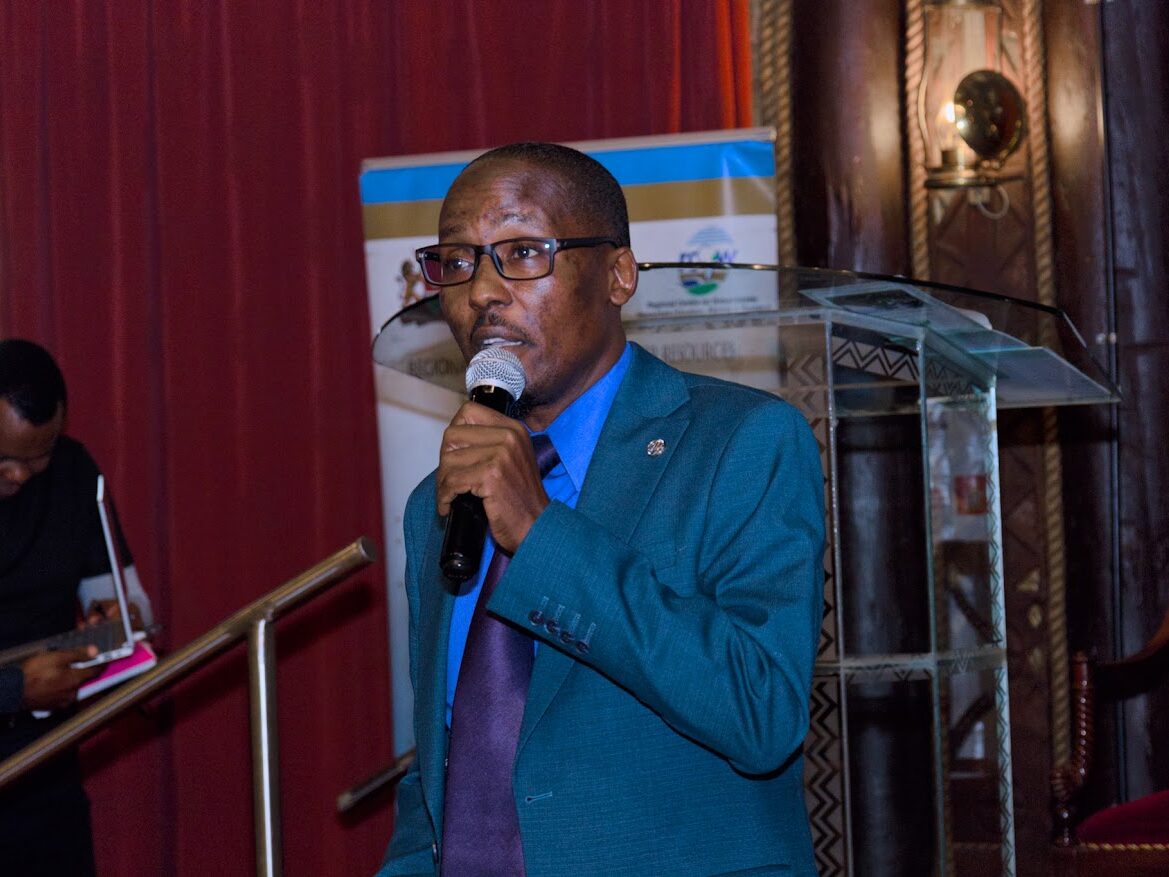
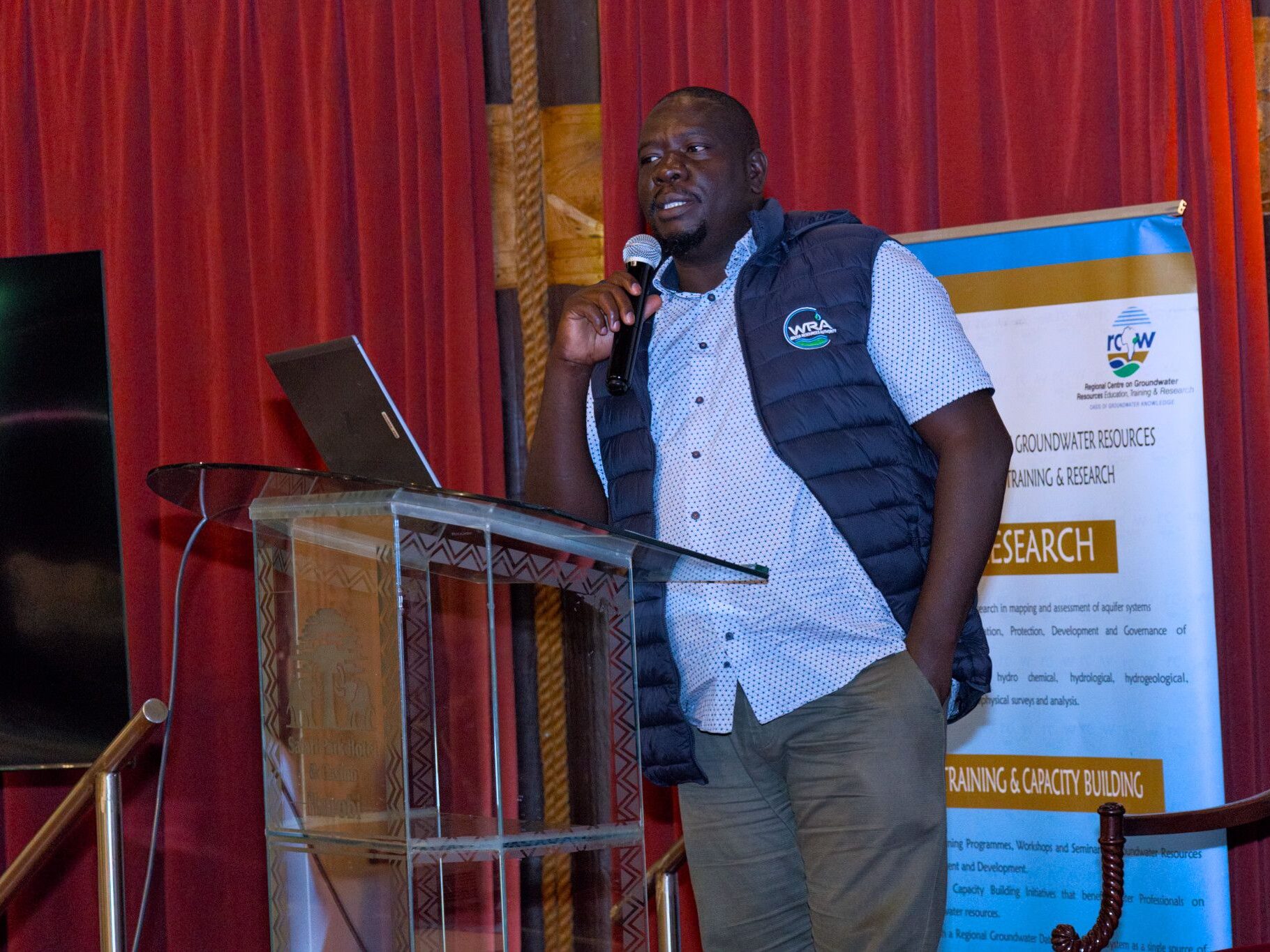
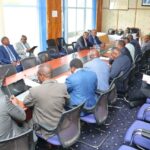
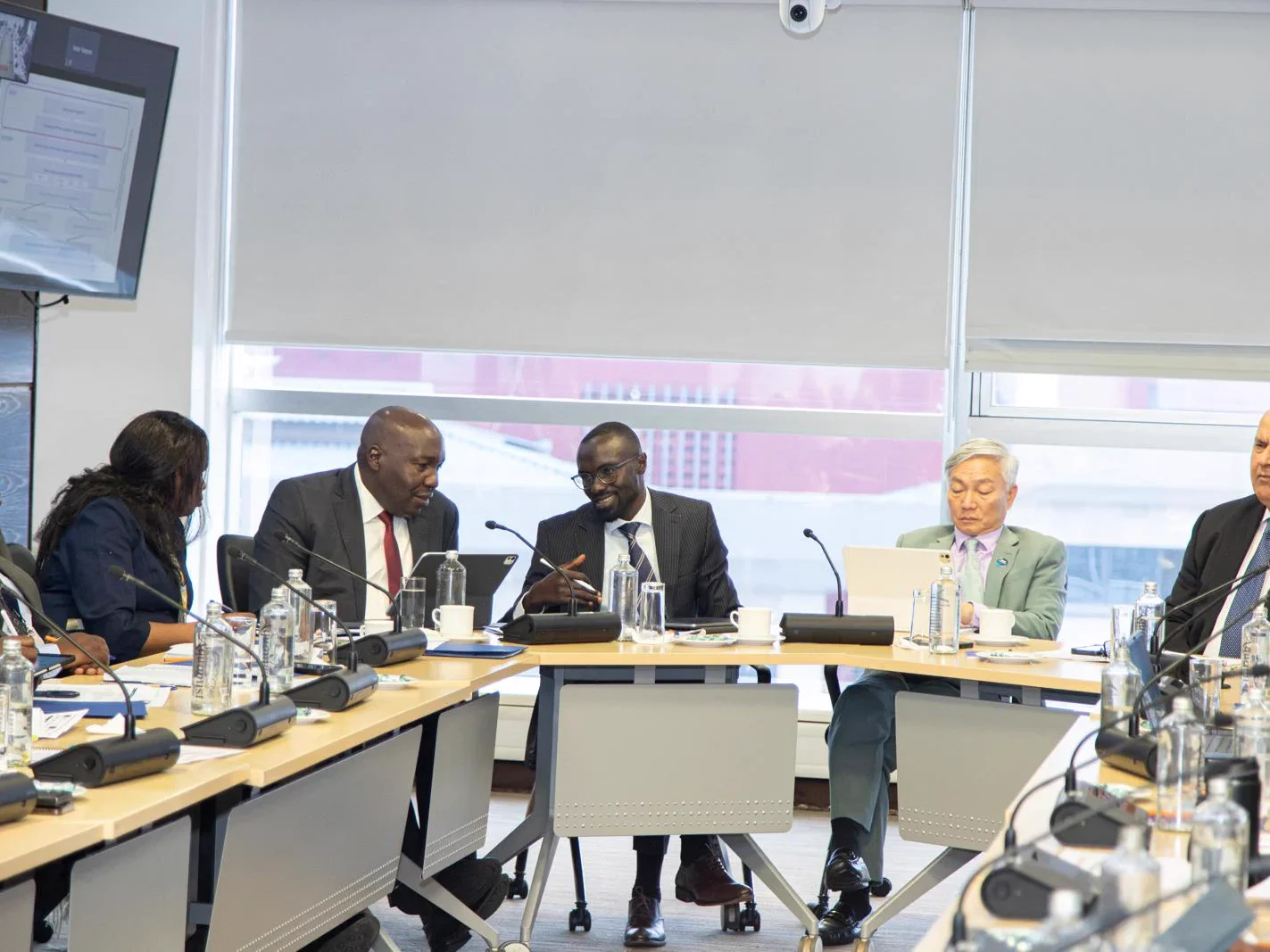
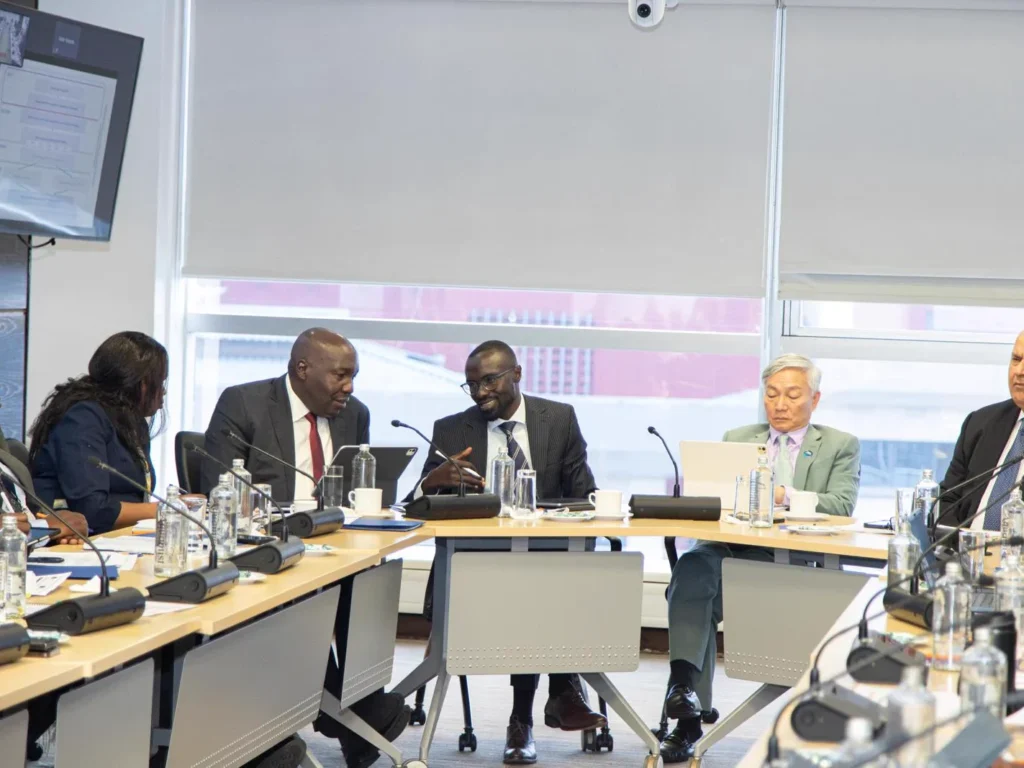
Cabinet Secretary for Water, Sanitation and Irrigation Eng. Eric Mugaa, accompanied by Principal Secretary Julius Korir, led the Ministry’s delegation in a high-level roundtable discussion with the World Bank team led by Division Director Qimiao Fan.
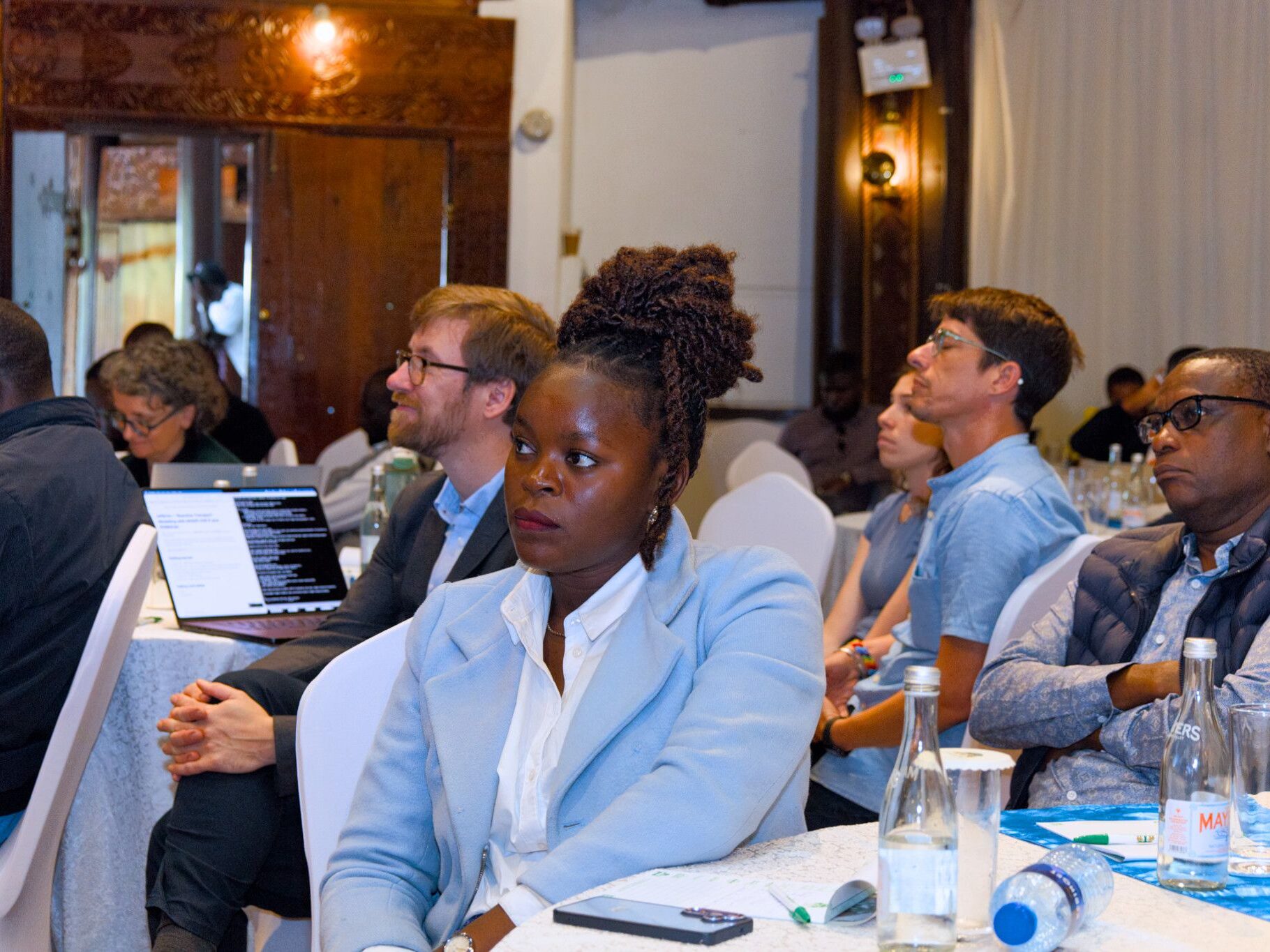
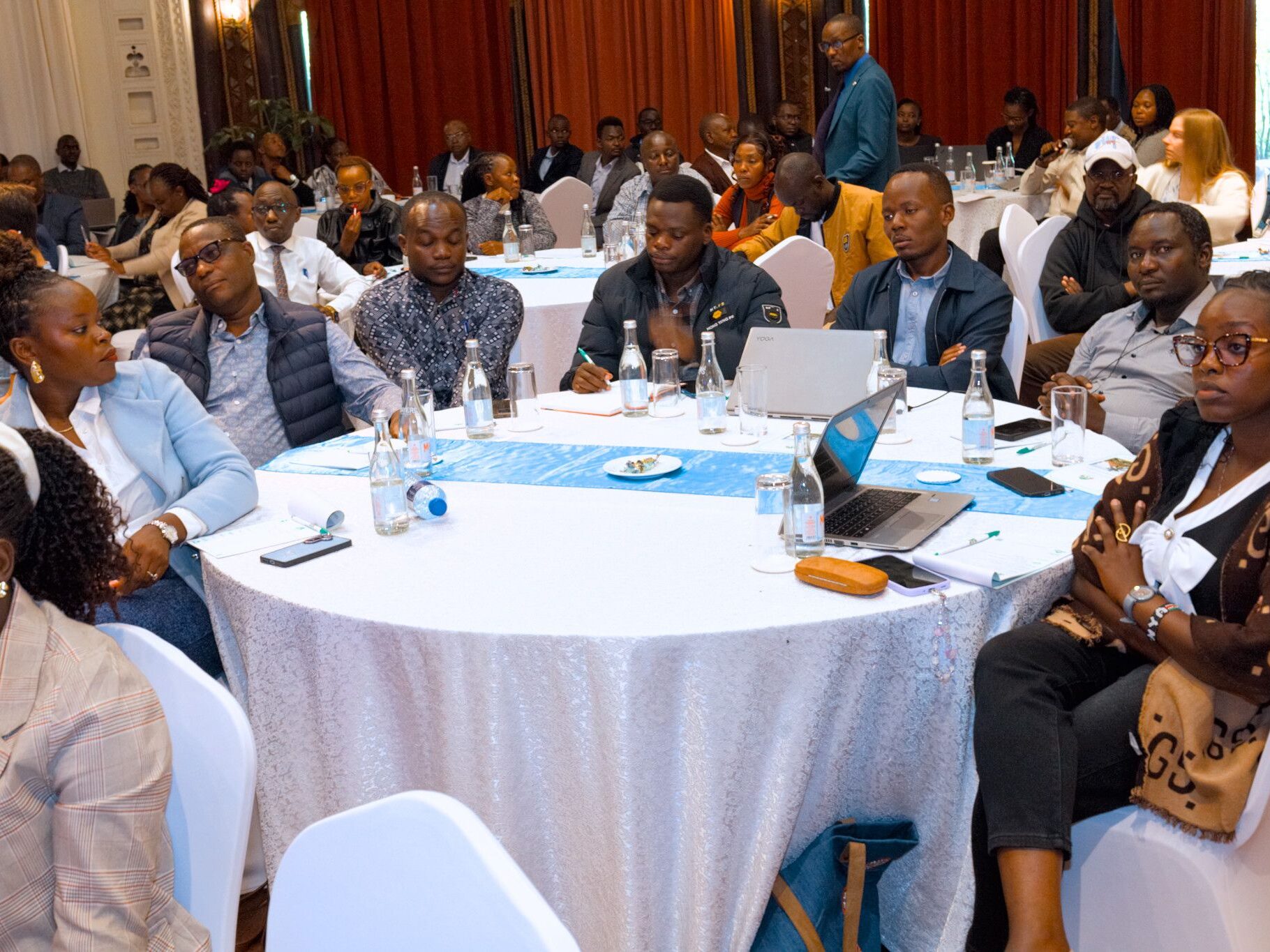
The meeting brought together chief executive officers of Water Works Development Agencies (WWDAs), representatives of the Council of Governors, water utilities, development partners and other sector stakeholders to examine institutional and financial challenges affecting service delivery.
Discussions focused on institutional arrangements, accountability, regulation, operational performance and coordination between national and county governments.
The engagement also explored practical approaches to improving the financial sustainability of water service providers and strengthening collaboration with development partners to support infrastructure investment and ongoing sector reforms.
The discussions come as Kenya faces substantial financing requirements to expand water supply systems, develop sewerage infrastructure and improve sanitation services.
The National Water and Sanitation Investment and Financing Plan (NAWASIP) 2022–2030 estimates that approximately Sh995 billion is required to achieve the country’s water and sanitation investment ambitions. The Government has identified public-private partnerships as one of the financing mechanisms, with an estimated Sh313 billion expected through this arrangement.
The financing framework seeks to attract additional private capital alongside government allocations and development partner support to accelerate infrastructure development.
However, attracting investment will require water utilities to demonstrate sound financial management, effective governance and the ability to generate sufficient revenue to operate and maintain infrastructure.
One of the major challenges facing the sector is non-revenue water, which represents treated water that is produced but does not generate corresponding revenue because of physical losses, illegal connections, metering inaccuracies and billing weaknesses.
According to the Water Services Regulatory Board’s (WASREB) Impact Report 18, covering the 2024/2025 financial year, national non-revenue water averaged 48 per cent. Public water companies lost approximately Sh14.9 billion through water that was not billed during the period.
The losses reduce the revenue available to utilities for maintaining pipelines, repairing infrastructure, expanding distribution networks and improving service reliability.
Reducing these losses could therefore improve the financial position of water companies and strengthen their ability to attract financing for expansion projects.
Governance and institutional coordination also remain important because Kenya’s water sector operates under a devolved framework established by the Constitution and the Water Act 2016.
County governments are responsible for providing water and sanitation services through water service providers, while the national government retains responsibility for national water policy, water resources management and national public water infrastructure.
WASREB regulates water service provision, sets service standards, oversees licensing and monitors the performance of utilities. Water Works Development Agencies develop, maintain and manage national public water works and facilitate the transfer of completed infrastructure to the relevant county institutions under the Water Act.
This arrangement makes cooperation between national institutions and county governments essential, particularly in ensuring that completed infrastructure is properly managed, maintained and connected to consumers.
Sanitation financing is another major concern. Kenya’s National Sanitation Management Policy identifies inadequate public investment, limited county budget allocations and dependence on development partner funding as challenges affecting the expansion of sanitation services.
The policy, drawing on NAWASIP estimates, puts the investment required for wastewater treatment infrastructure, sewer networks and decentralised sanitation systems at approximately US$1.3 billion to support the country’s 2030 sanitation ambitions.
The Ministry said the roundtable provided an opportunity to identify practical solutions for strengthening accountability, improving coordination among sector institutions and mobilising sustainable financing.
The Government reaffirmed its commitment to working with the World Bank, county governments, development partners and water-sector institutions to advance reforms and improve the delivery of water and sanitation services.
The discussions form part of broader efforts to ensure that investments in water infrastructure are supported by effective institutions, financially sustainable utilities and stronger accountability in service delivery.