The Government of Kenya and the World Bank have reviewed the financial management and implementation progress of the Horn of Africa Groundwater for Resilience Project (HoAGW4RP), with discussions focusing on accelerating priority activities and expanding access to reliable water supplies in the country’s arid and semi-arid regions.
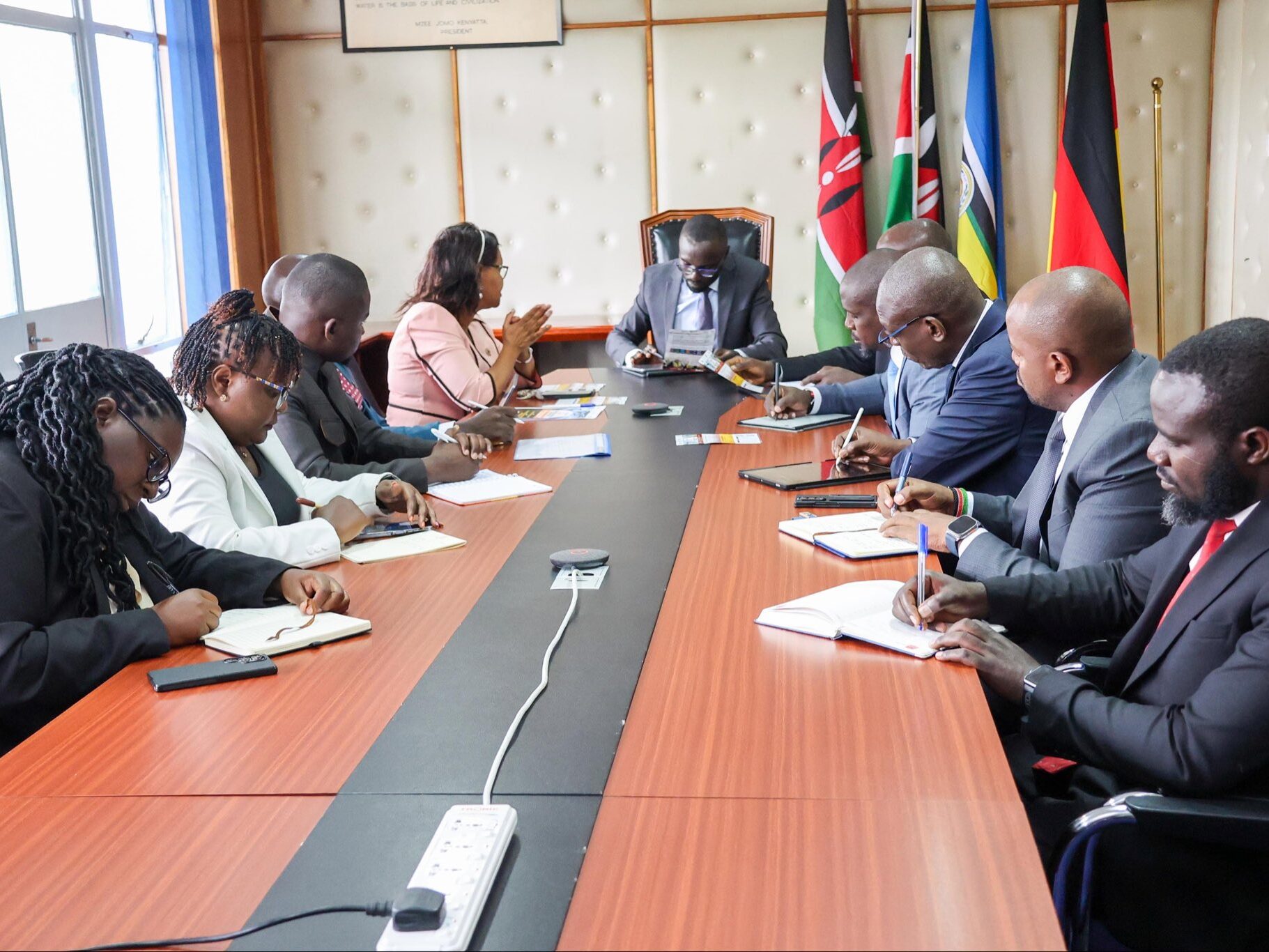
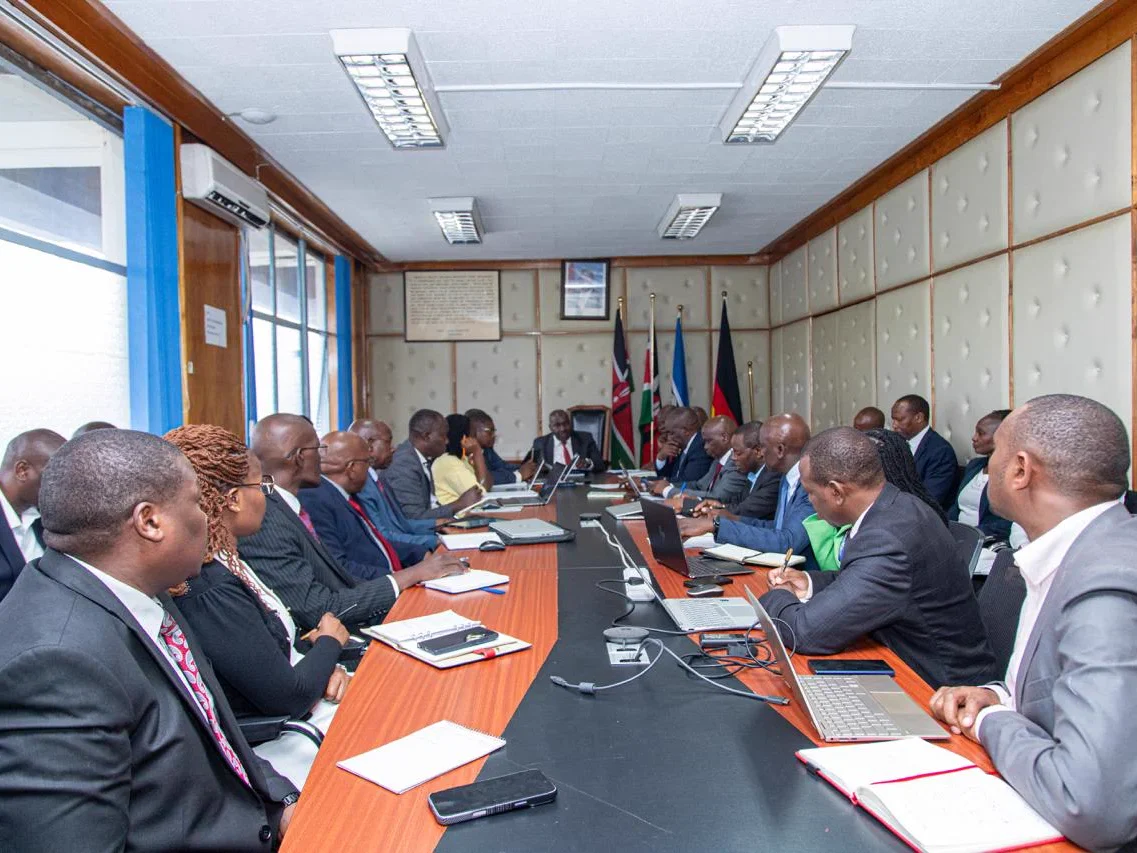
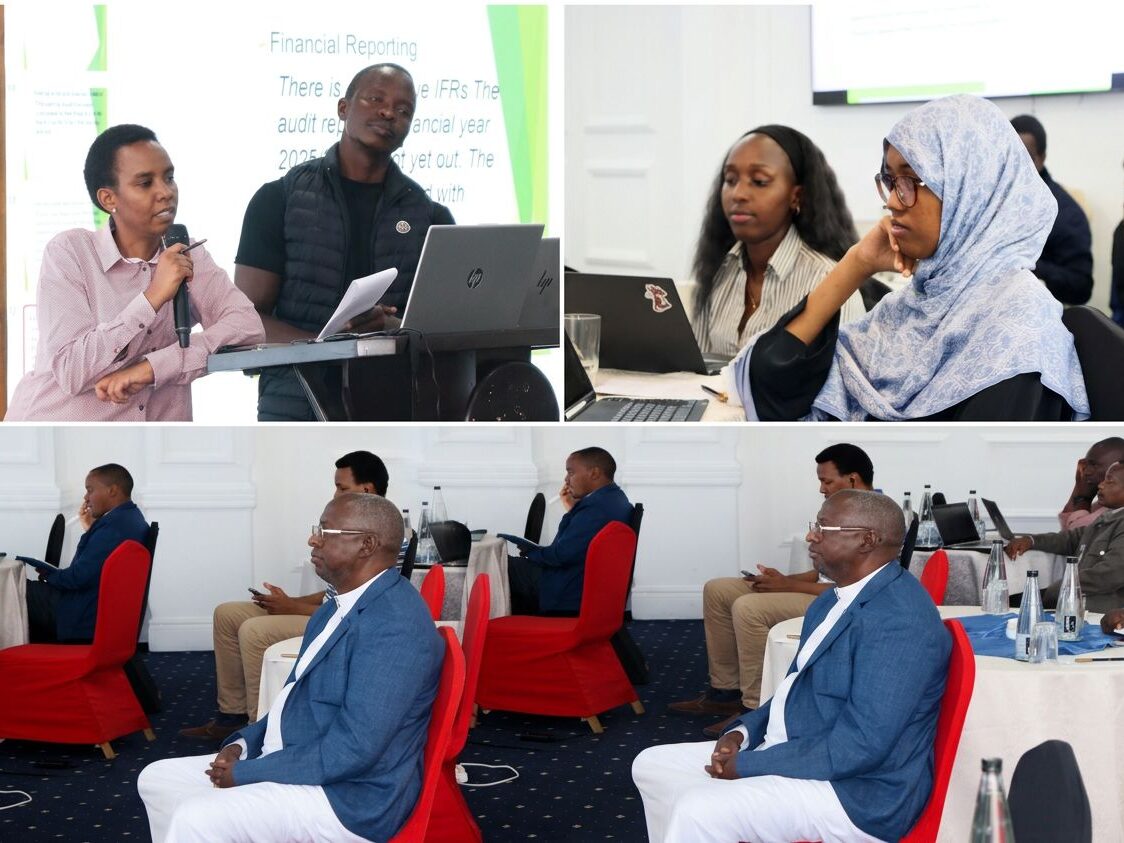
The review took place on the fifth day of the November 2026 World Bank Implementation Support Mission, which assessed the project’s financial management arrangements and identified priorities for the next phase of implementation.
The financial management session examined funds flow, budget utilisation and internal controls, key areas expected to support effective management of project resources and timely delivery of planned activities.
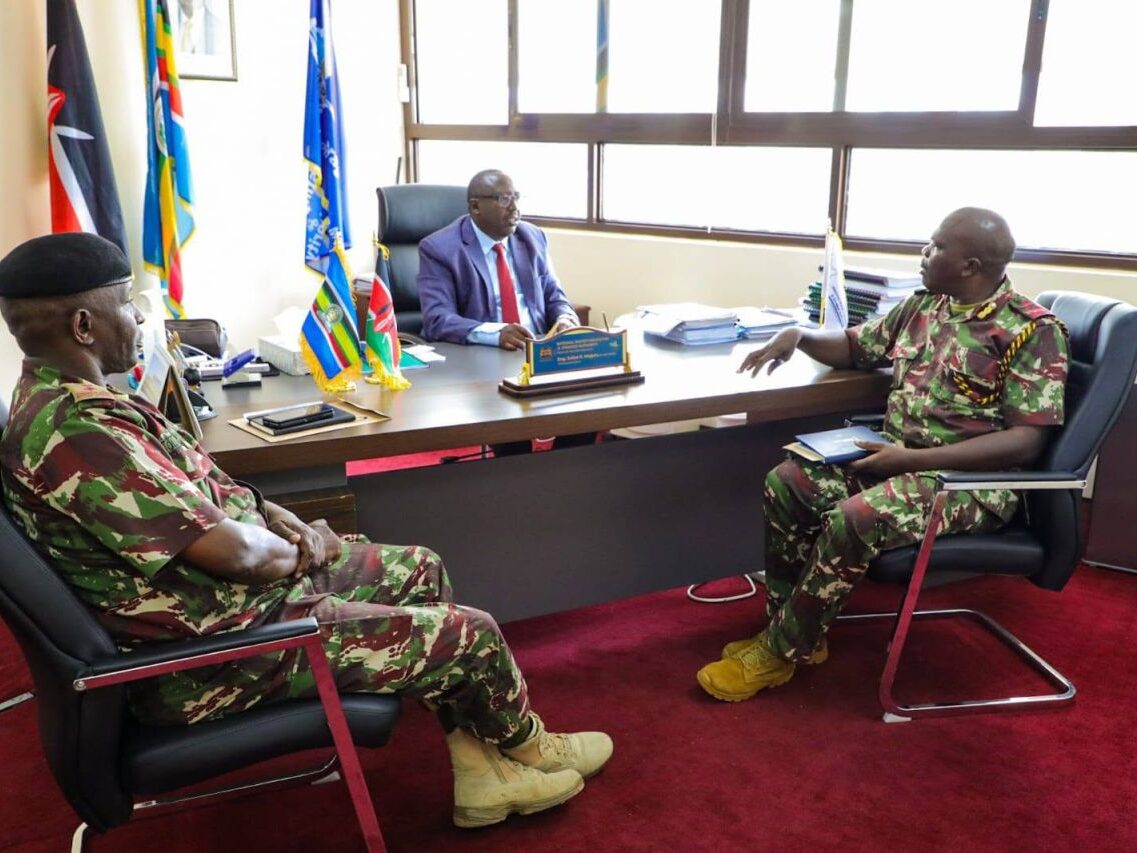
During the mission wrap-up discussions, the project team and the World Bank took stock of progress on groundwater infrastructure works and planned design activities. They agreed on the need to accelerate priority interventions and advance the next round of infrastructure works towards tendering.
The discussions also addressed county-level implementation issues, particularly the operation and maintenance of completed water facilities. The teams emphasised the importance of establishing sustainable arrangements to ensure that infrastructure continues providing services to communities beyond construction.
Environmental and social safeguards also featured in the discussions, reflecting the need to maintain compliance with project requirements while implementing infrastructure in vulnerable communities.
The mission reaffirmed that the project’s ultimate measure of success is not simply the completion of infrastructure but the delivery of reliable and sustainable water services to communities in Kenya’s arid and semi-arid border counties.
The Horn of Africa Groundwater for Resilience Project is designed to strengthen groundwater development and management, improve access to water and build resilience among communities facing recurring droughts and water shortages.
Its interventions include groundwater infrastructure development, borehole investments, water supply schemes, capacity building and improved groundwater monitoring and management.
The implementation support mission is continuing with a field visit to Marsabit County, where the teams are expected to assess project activities on the ground. The wrap-up discussions will resume following the field visit, providing an opportunity to consolidate findings and agree on the next steps