Scheme water canal project in Kirinyaga County, paving the way for an additional 10,000 acres to be brought under rice production.
The funding is expected to accelerate construction works in the Mutithi extension area, where farmers have experienced prolonged water shortages that have limited their ability to expand agricultural activities.
The project, launched nearly seven years ago, has faced implementation delays, prompting farmers and local leaders to repeatedly appeal to the government to complete the canal infrastructure and improve water distribution across the expanded irrigation area.
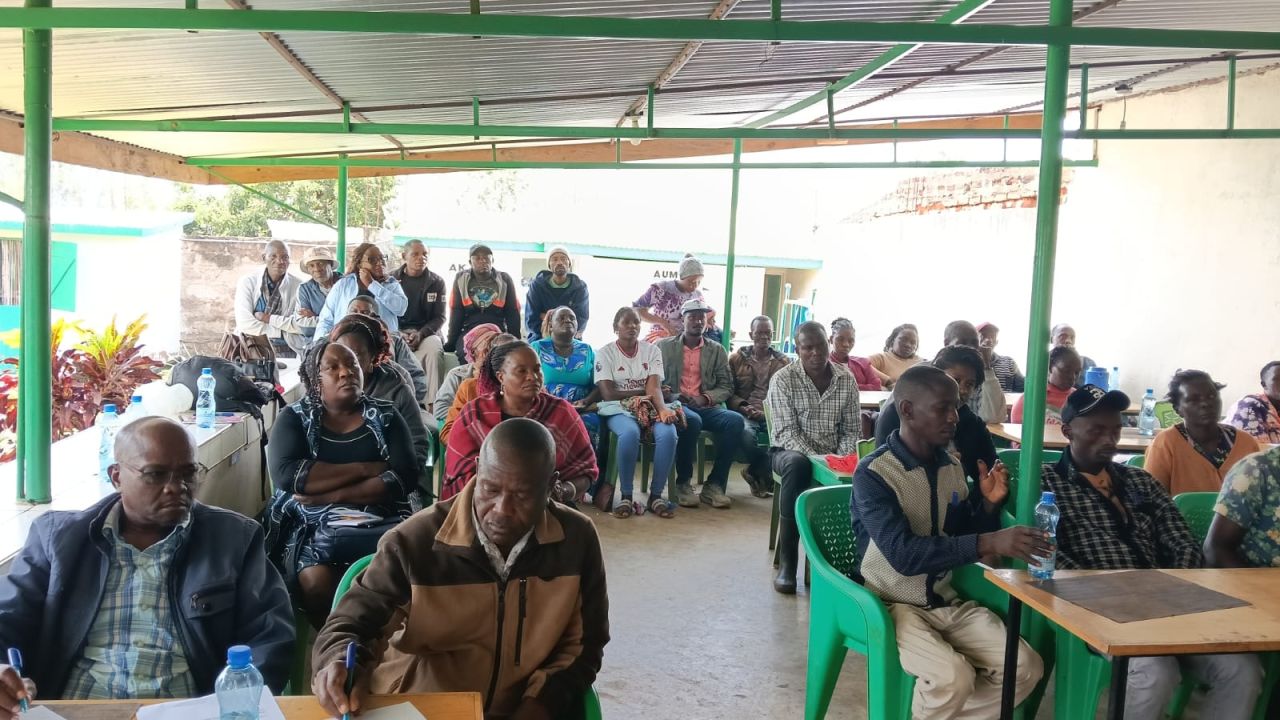
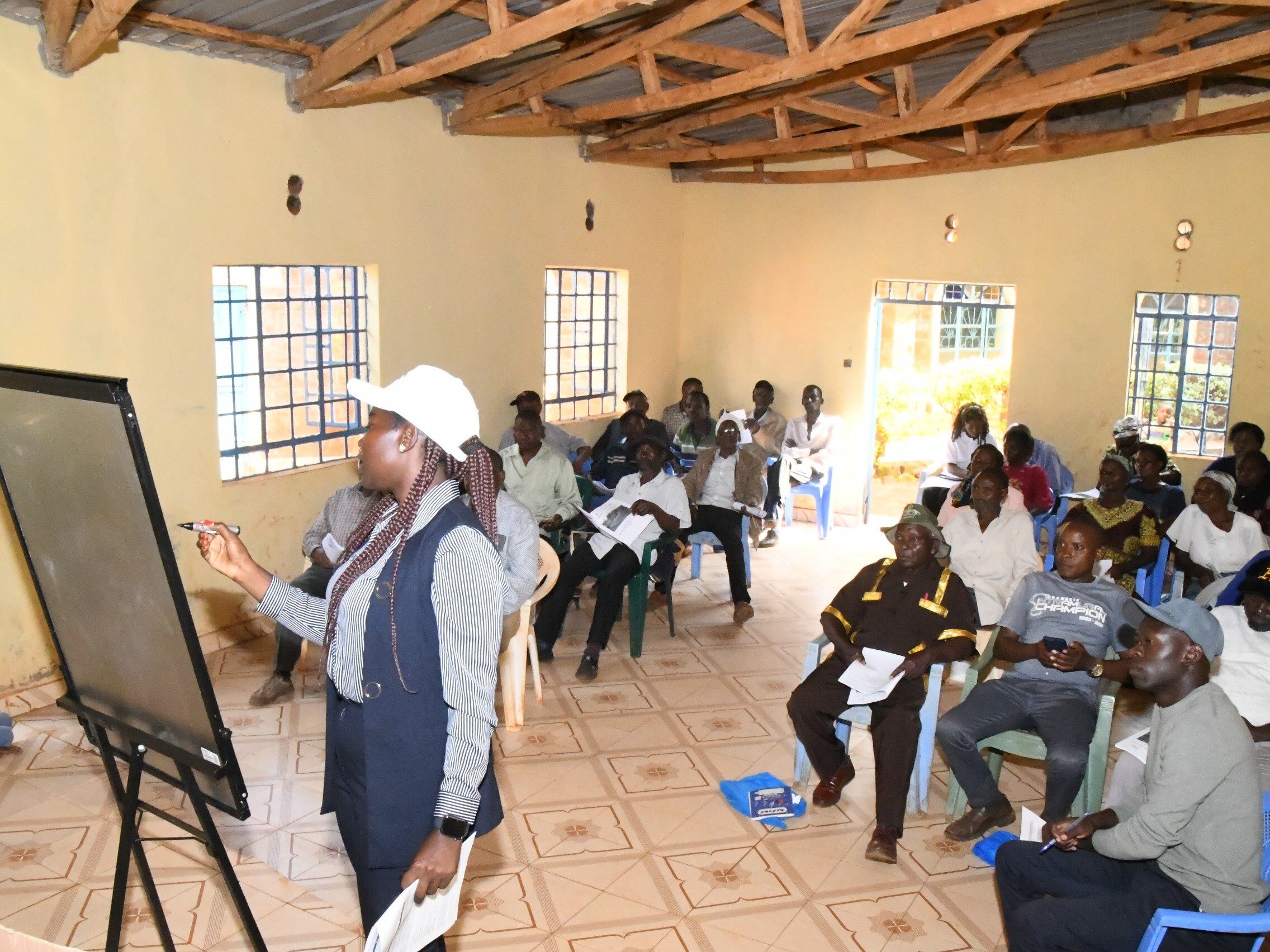
National Irrigation Authority (NIA) Managing Director Eng. Charles Muasya announced the latest funding commitment during a meeting with farmers, where he outlined the remaining works and the authority’s implementation plans.
Muasya said approximately 5,000 acres of the targeted 10,000 acres had already been placed under irrigation, with the remaining acreage expected to benefit once the outstanding infrastructure is completed.
He said the government had provided Sh400 million in the current financial year but indicated that a further Sh500 million would be required in the next financial year to complete the project.
“The government has allocated Sh400 million this financial year, and we need an additional Sh500 million in the next financial year to complete the project. With the current allocation, we will be able to ensure that water reaches the farmers,” Muasya said.
The authority is targeting April next year for water supply to reach the entire Mutithi extension area, although the timeline will depend partly on prevailing weather conditions.
The completion of the canal project is expected to strengthen the benefits of Thiba Dam, which has already been completed and opened to support irrigation activities within the Mwea scheme.
The dam provides an important source of water for expanding agricultural production, but the distribution infrastructure remains critical in ensuring that farmers receive adequate supplies across the irrigation blocks.
Kenya’s growing demand for rice has increased pressure on the government to expand domestic production and reduce dependence on imports.
According to figures presented by Muasya, the country consumes more than one million metric tonnes of rice annually but produces approximately 350,000 metric tonnes, leaving a substantial supply gap that is met through imports.
The country consequently imports about 700,000 metric tonnes to meet domestic demand, increasing pressure on foreign exchange resources.
Expanding irrigation in Mwea is expected to contribute towards closing this production gap by bringing more farmland under cultivation and improving the reliability of water supplies for existing farmers.
The funding announcement was welcomed by farmers in Mutithi, who said delays in completing the project had affected their agricultural plans and left them uncertain about access to irrigation water.
Jeremia Kibico, a farmer in the Mutithi extension area, said the meeting with the NIA managing director provided an opportunity for farmers to raise their concerns and seek clarification on when the remaining works would be completed.
He expressed optimism that the authority would honour its commitment to deliver water to the expanded irrigation area by April next year.
“We are happy that the NIA CEO has come personally to address us. We have had an opportunity to be heard, and he has assured us that by April next year, the promises concerning the project will have been fulfilled,” Kibico said.
Mwea West Deputy County Commissioner Kennedy Nyamboka urged farmers and other stakeholders to work together to ensure the project is completed and its benefits reach the intended communities.
He said improved irrigation and increased rice production would generate wider economic opportunities for residents, including young people and households whose livelihoods depend on agriculture.
The latest funding commitment places the focus on completing the remaining canal works and ensuring that the expanded irrigation area receives reliable water supplies.
For farmers in Mutithi, the next phase will be critical in determining whether the long-delayed project can finally translate into increased rice production, improved household incomes and stronger food security.