Kenya and Denmark are reviewing progress in their strategic water cooperation programme, with a focus on strengthening groundwater management, improving aquifer monitoring and introducing scientific approaches to protect underground water resources.
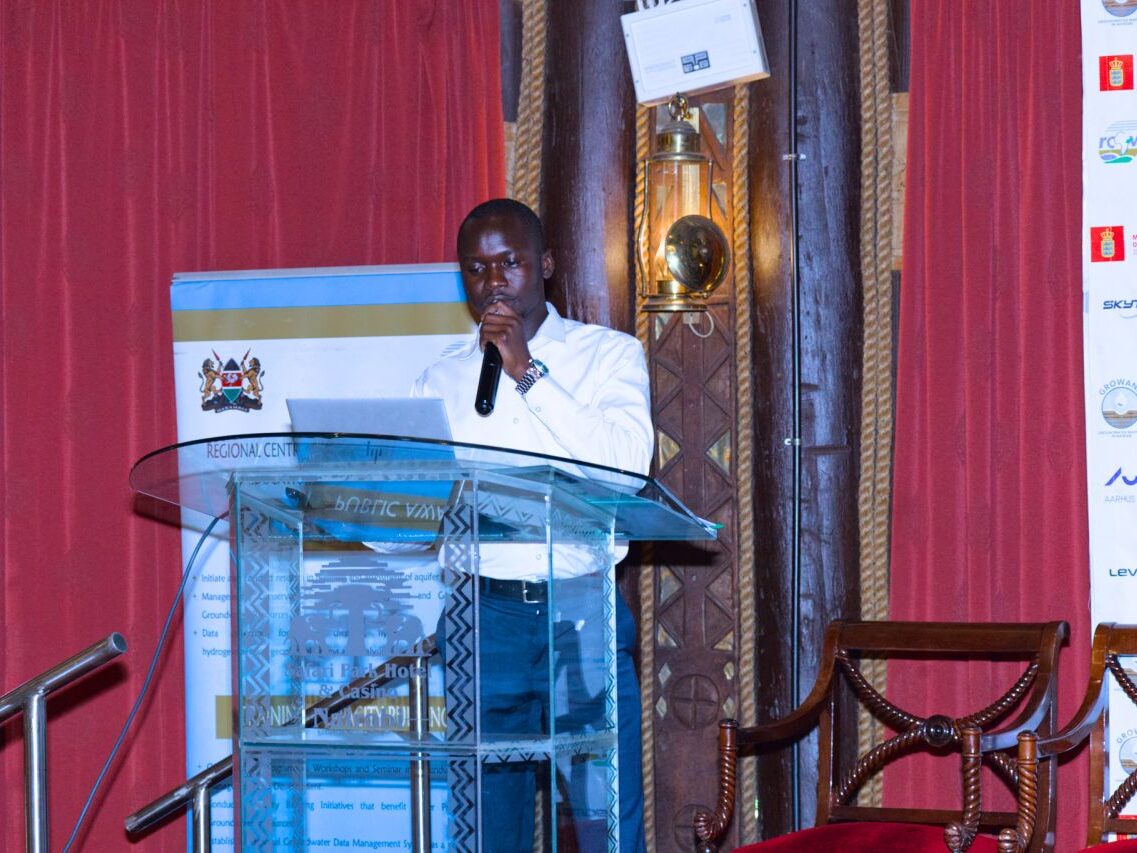
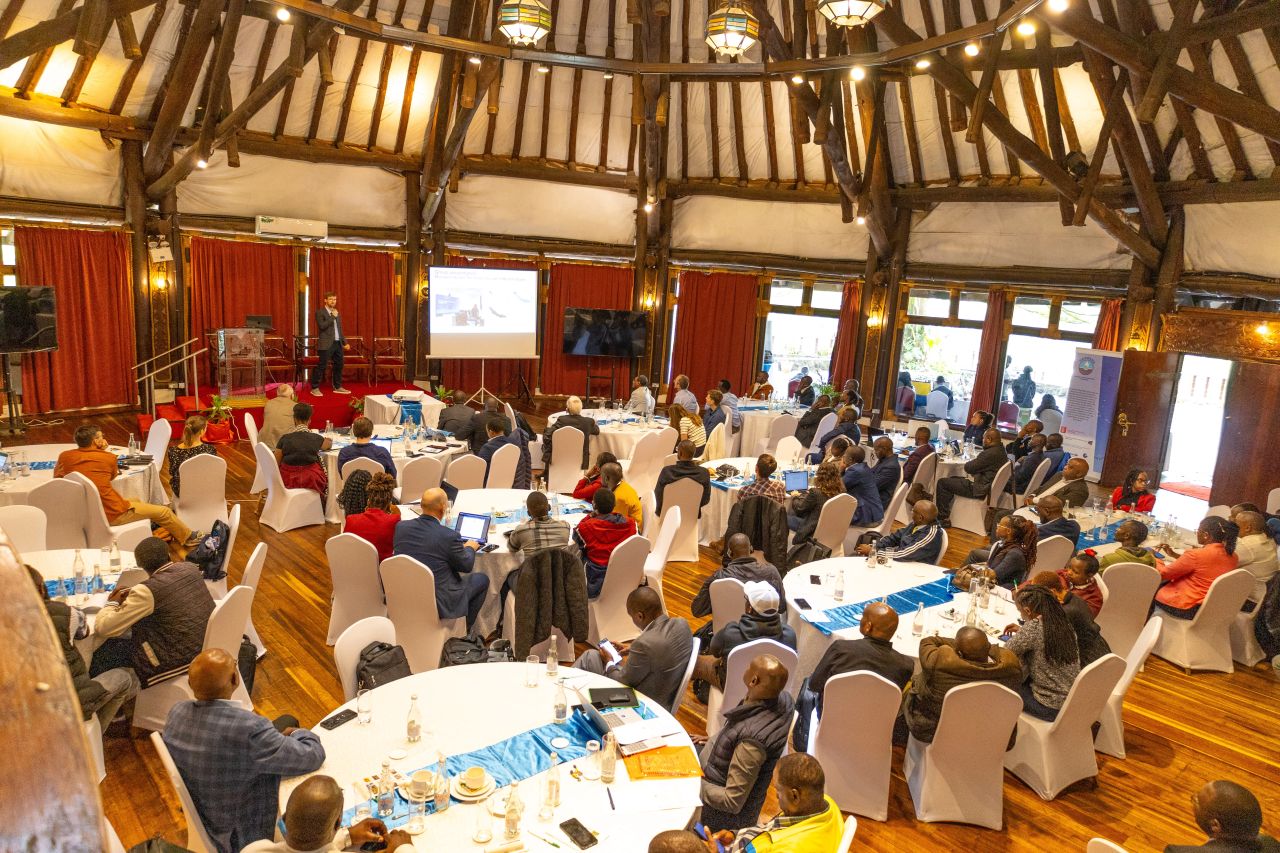
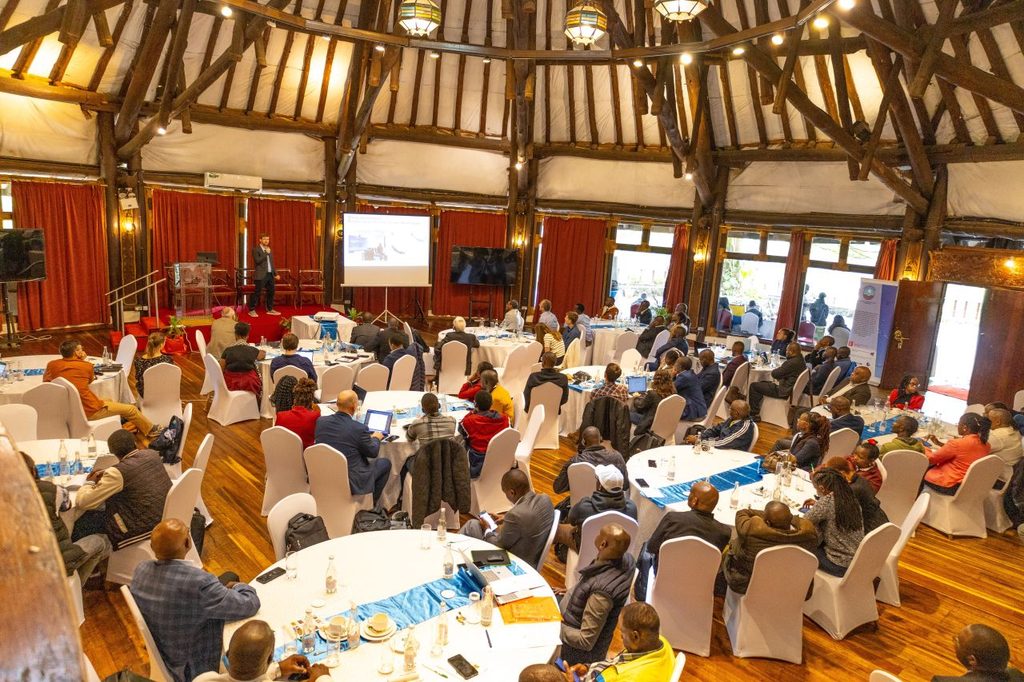
The two countries held a technical workshop in Nairobi on November 16, 2026, convened by the Embassy of Denmark in Kenya in collaboration with the Regional Centre on Groundwater Resources Education, Training and Research (RCGW). The meeting brought together Kenyan water authorities and Danish technical institutions to assess progress under the Strategic Sector Cooperation (SSC) programme on water resources and discuss priorities for the next phase.
The discussions centred on four areas: advanced geophysical groundwater mapping under the GROWANA project, data-driven groundwater abstraction management, Managed Aquifer Recharge (MAR) solutions for the Nairobi Aquifer System and preparations for Phase Two of the Kenyan-Danish cooperation.
The partnership brings together technical expertise from the Geological Survey of Denmark and Greenland (GEUS), the Danish Environmental Protection Agency (DEPA), the Danish Trade Council through ECODIP, and Kenyan water institutions.
One of the major areas of cooperation is improving the scientific understanding of underground water resources, particularly in the Nairobi Aquifer System, which supports borehole development across Nairobi and neighbouring counties.
Through GROWANA, the partnership is using airborne electromagnetic technology to map underground geological formations and develop detailed three-dimensional models of the aquifer. The survey, conducted between March 5 and 31, 2026, employed SkyTEM technology to collect information about groundwater-bearing formations without requiring extensive drilling across the survey area.
The resulting information is expected to improve borehole siting, identify potential groundwater recharge areas and guide decisions on sustainable abstraction. The project runs from October 2025 to October 2027, with its final outputs expected to include comprehensive aquifer models and recommendations for managed groundwater recharge.
Beyond mapping, the cooperation is addressing the challenge of controlling groundwater extraction. Increasing urban development and demand for borehole water have placed pressure on underground reserves, making reliable information on abstraction volumes and aquifer recharge increasingly important.
A study published in 2022 examining the Nairobi Aquifer System found a relationship between groundwater abstraction, recharge and water quality. It recommended regulating extraction according to recharge levels and improving aquifer replenishment to protect groundwater resources.
Managed Aquifer Recharge is another important component of the cooperation. The approach involves collecting suitable water, including appropriately treated stormwater, and directing it into underground formations for storage and later recovery. It offers an opportunity to supplement natural groundwater replenishment and improve water availability during dry periods.
The Danish partnership is also intended to strengthen Kenya’s institutional and technical capacity in groundwater management. This includes transferring scientific knowledge, improving monitoring systems and supporting Kenyan specialists and public institutions in applying advanced groundwater assessment methods.
The broader Strategic Sector Cooperation, initiated in 2023, reflects Denmark’s support for strengthening Kenya’s capacity to manage groundwater resources through improved mapping, monitoring, pollution-risk assessment and nature-based solutions.
The November 16 workshop also provided an opportunity to build momentum towards Phase Two, which is expected to build on the technical knowledge, institutional relationships and practical experience developed under the existing cooperation.
As Kenya faces increasing pressure on its water resources from population growth, urbanisation and climate variability, the partnership offers an avenue for strengthening the scientific evidence needed to guide groundwater development and conservation.
The success of the cooperation will ultimately depend on translating technical research into stronger regulation, better groundwater monitoring and practical management decisions that protect underground water reserves for future generations.