








Kenya is stepping up efforts to improve the management of Nairobi’s underground water resources as experts explore ways of protecting the Nairobi Aquifer System from increasing pressure caused by urbanisation, rising water demand and changing rainfall patterns.
The initiative is being advanced through the Groundwater Mapping for Nairobi (GROWANA) Project and pilot Managed Aquifer Recharge (MAR) activities, which aim to improve understanding of groundwater availability and identify opportunities to store water underground for future use.
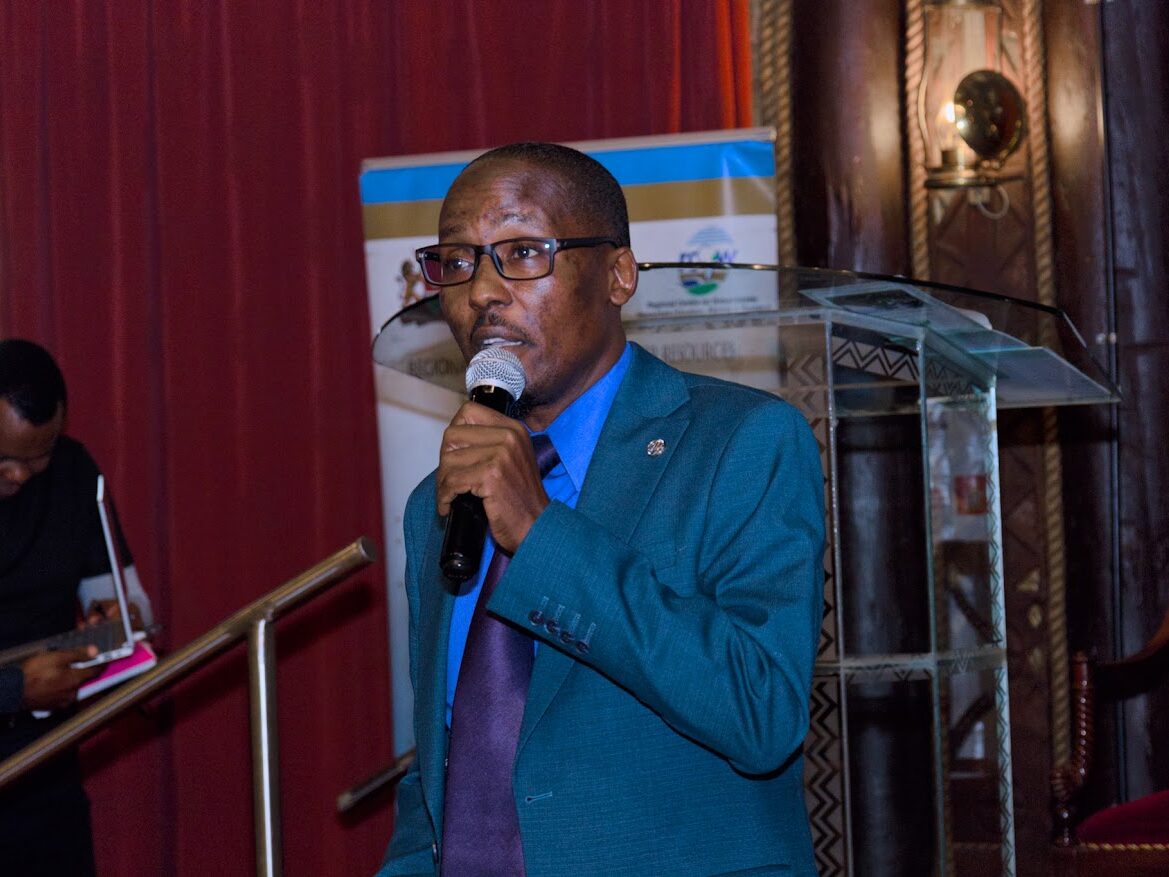
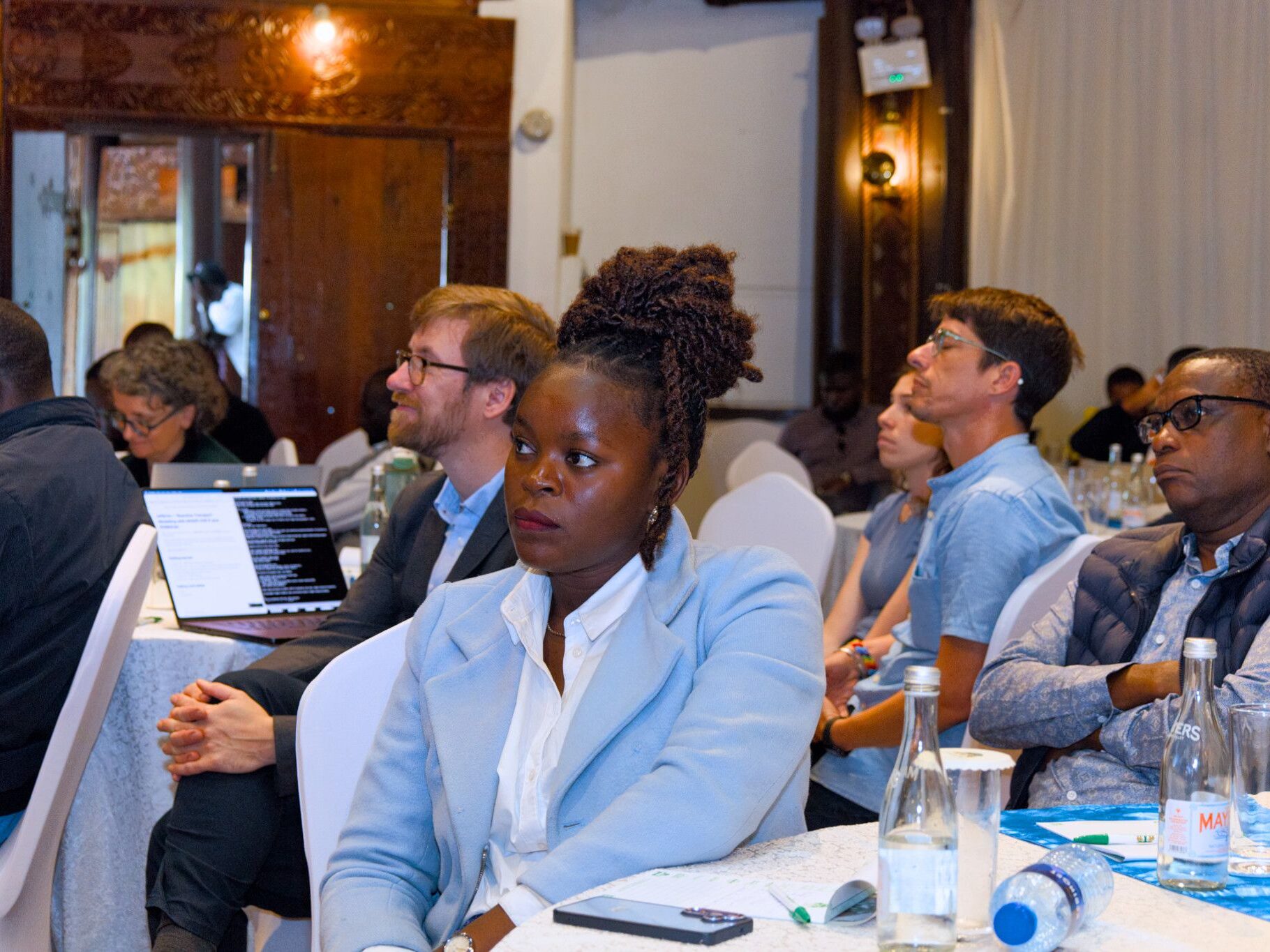
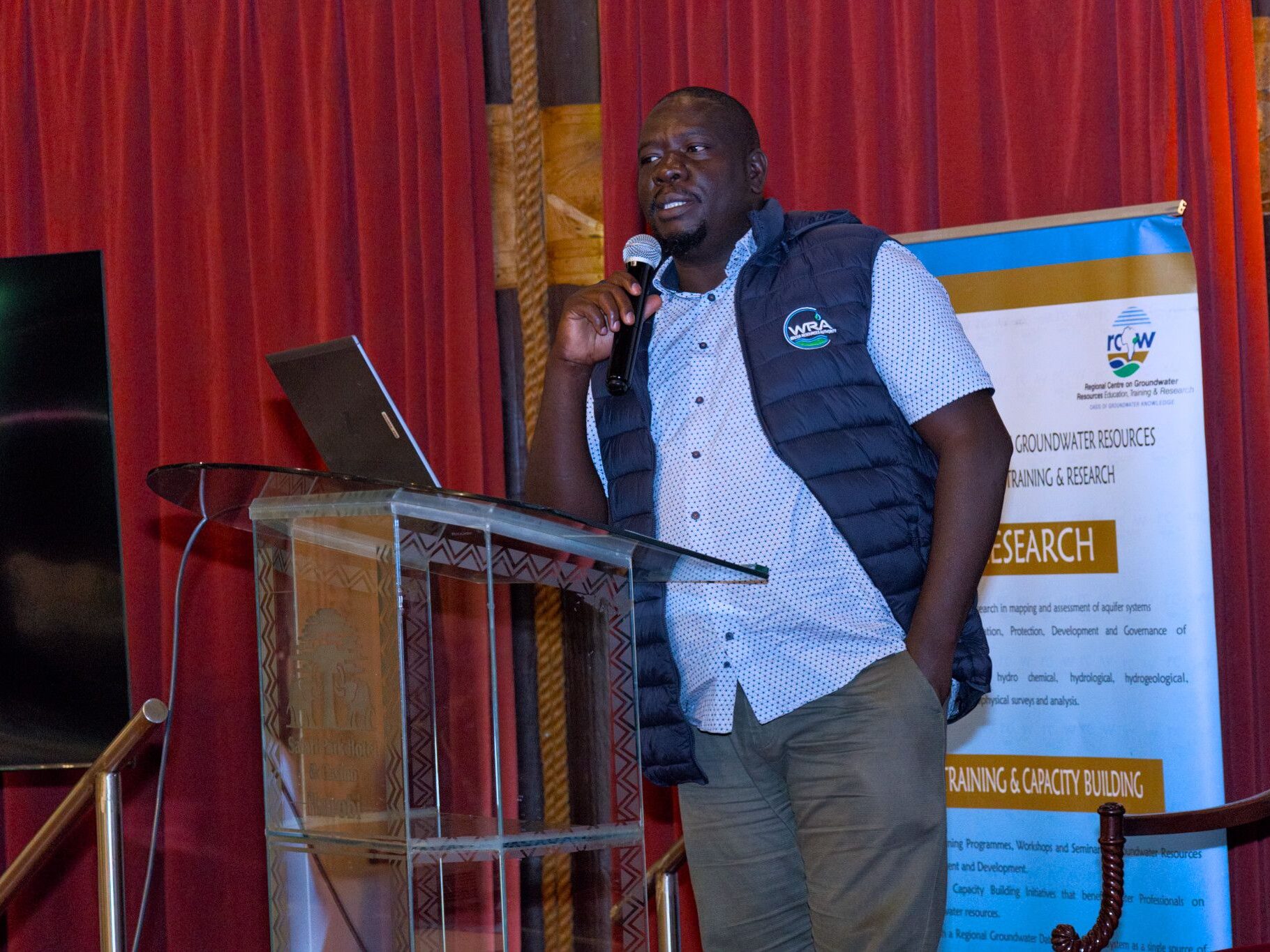
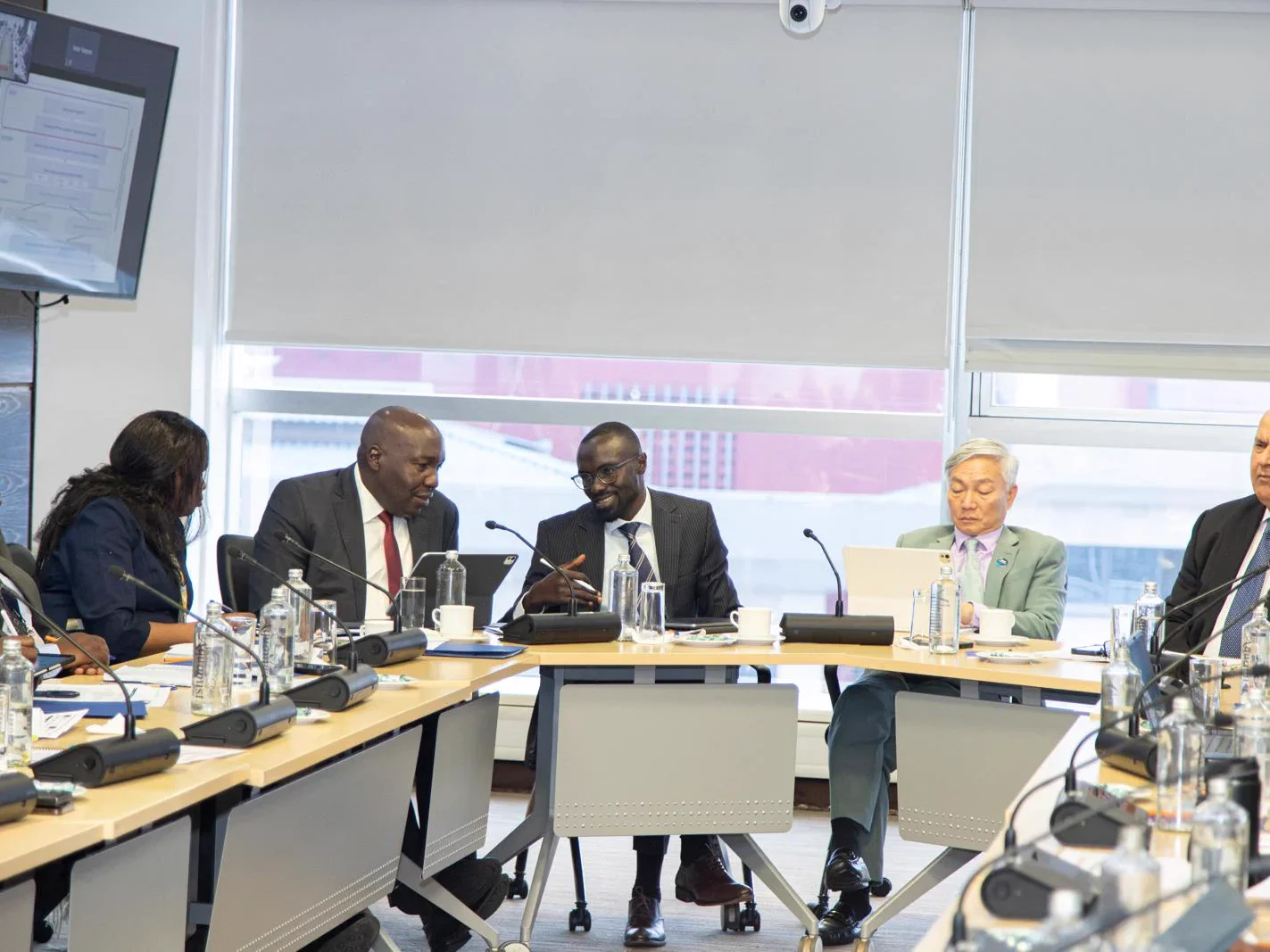
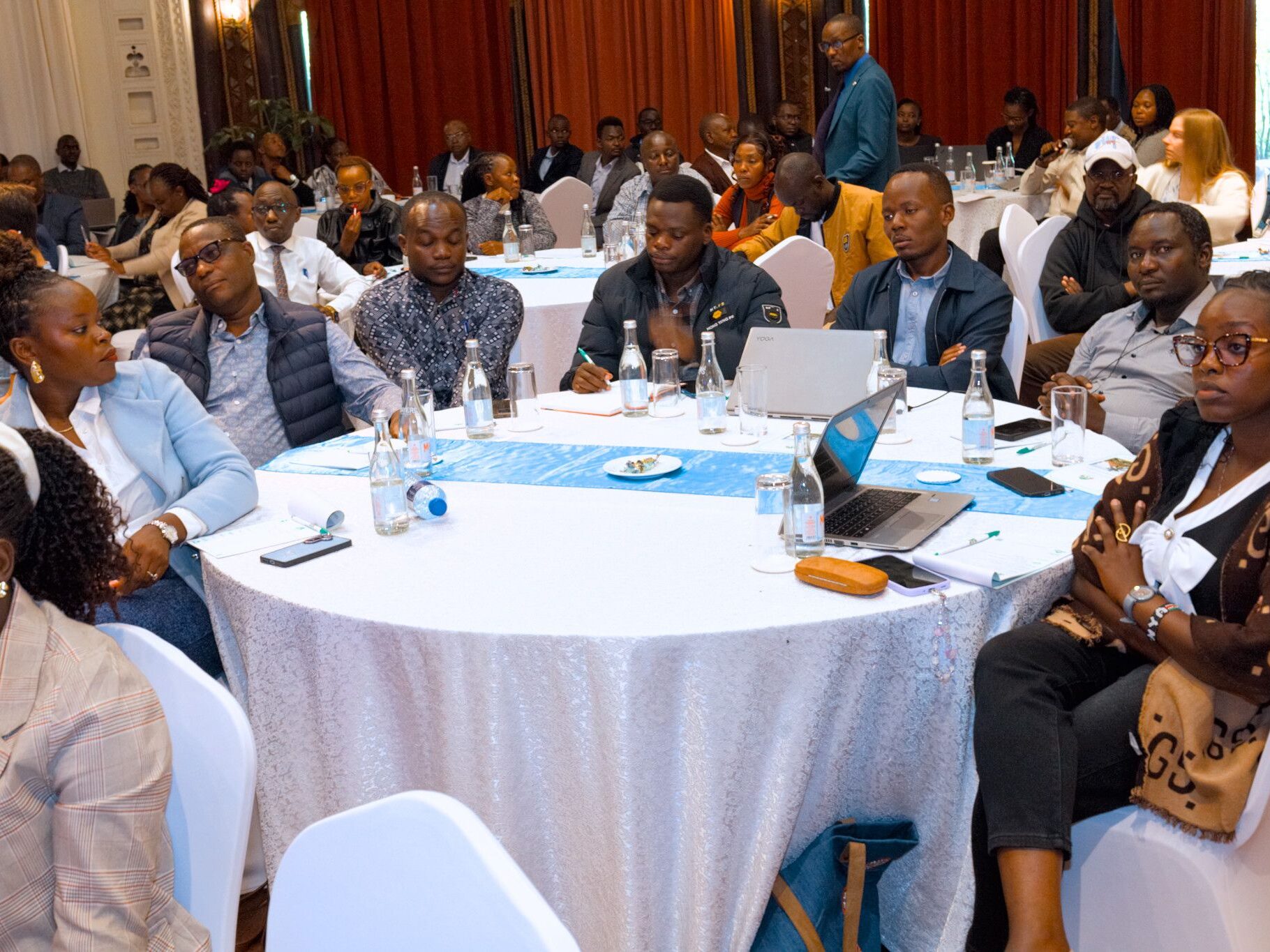
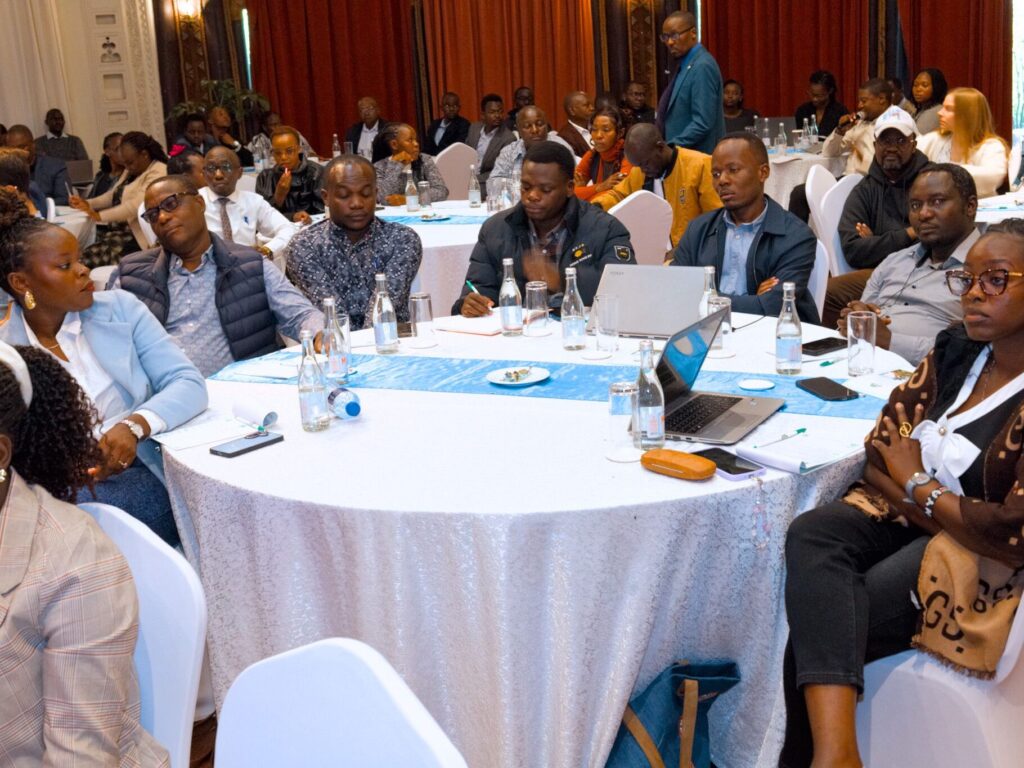
The two initiatives featured prominently during a technical engagement convened by the Regional Centre on Groundwater Resources Education, Training and Research (RCGW) on November 17, 2026. The meeting brought together stakeholders to review project findings, assess progress in groundwater investigations and discuss the next steps towards sustainable management of the Nairobi Aquifer System.
The engagement comes as groundwater becomes increasingly important to Nairobi’s water security. Growing demand from households, businesses and industries has increased the need to diversify water sources beyond conventional supplies from dams and rivers.
The GROWANA project is a Kenya-Denmark partnership running from October 2025 to October 2027. It brings together the expertise of the Geological Survey of Denmark and Greenland (GEUS), the Danish Environmental Protection Agency, Aarhus University, SkyTEM and RCGW to strengthen scientific knowledge of groundwater resources beneath Nairobi and surrounding areas.
A key component is the use of advanced airborne electromagnetic technology known as SkyTEM to investigate underground geological formations. The technology uses sensors mounted on an aircraft to collect information about subsurface structures, helping researchers identify groundwater-bearing formations and develop detailed hydrogeological models.
The information is expected to improve understanding of aquifer boundaries, groundwater movement, recharge rates and water quality. It will also support decisions on borehole development, groundwater monitoring and sustainable abstraction.
Another major focus of the engagement was Managed Aquifer Recharge, an approach that involves directing suitable water into underground formations for storage and future use.
Unlike conventional storage facilities such as dams, MAR uses the natural storage capacity of aquifers. Water can be introduced through infiltration ponds, recharge wells and other specially designed structures, depending on the geological conditions of selected sites.
For Nairobi, the approach could provide an additional way of managing excess rainfall while strengthening groundwater availability during dry periods. However, its success will depend on identifying suitable locations, establishing the capacity of underground formations and ensuring that recharge water meets appropriate quality standards.
The November 17 engagement included ground-truthing activities at selected MAR sites, technical discussions on project findings and workshops examining hydrogeological information gaps, water quality and the roadmap towards implementation.
The proposed pilot is part of Kenya’s wider efforts to translate groundwater research into practical water infrastructure. It is expected to involve suitable site identification, regulatory approvals, recharge facilities and monitoring systems to assess changes in groundwater levels and the performance of recharge activities.
The need for improved management is underscored by research showing that groundwater abstraction in the Nairobi Aquifer System has increased significantly over the decades. A 2020 scientific study found that extraction had increased tenfold since the mid-1970s, while groundwater levels beneath Nairobi had declined at a median rate of approximately six metres per decade since 1950.
Rapid urban expansion has also placed pressure on natural groundwater recharge areas, raising concerns about the long-term sustainability of underground water supplies.
Water quality remains another important challenge, with groundwater potentially affected by poor sanitation, industrial pollution and naturally occurring substances such as fluoride.
The GROWANA project and proposed MAR pilot therefore offer an opportunity to strengthen groundwater planning through improved scientific data, monitoring and collaboration between Kenyan and Danish institutions.
For Nairobi, the ultimate objective is to develop a more integrated water management system in which groundwater conservation, surface water supplies, rainwater harvesting and underground storage complement one another.
The success of the initiatives will depend on translating research findings into practical interventions, effective regulation and sustained protection of the aquifer system as the city continues to grow.