




Machakos County is stepping up collaboration with development partners and other stakeholders to improve water access, sanitation and environmental management as it seeks to build climate-resilient communities and strengthen the sustainability of water, sanitation and hygiene (WASH) services.
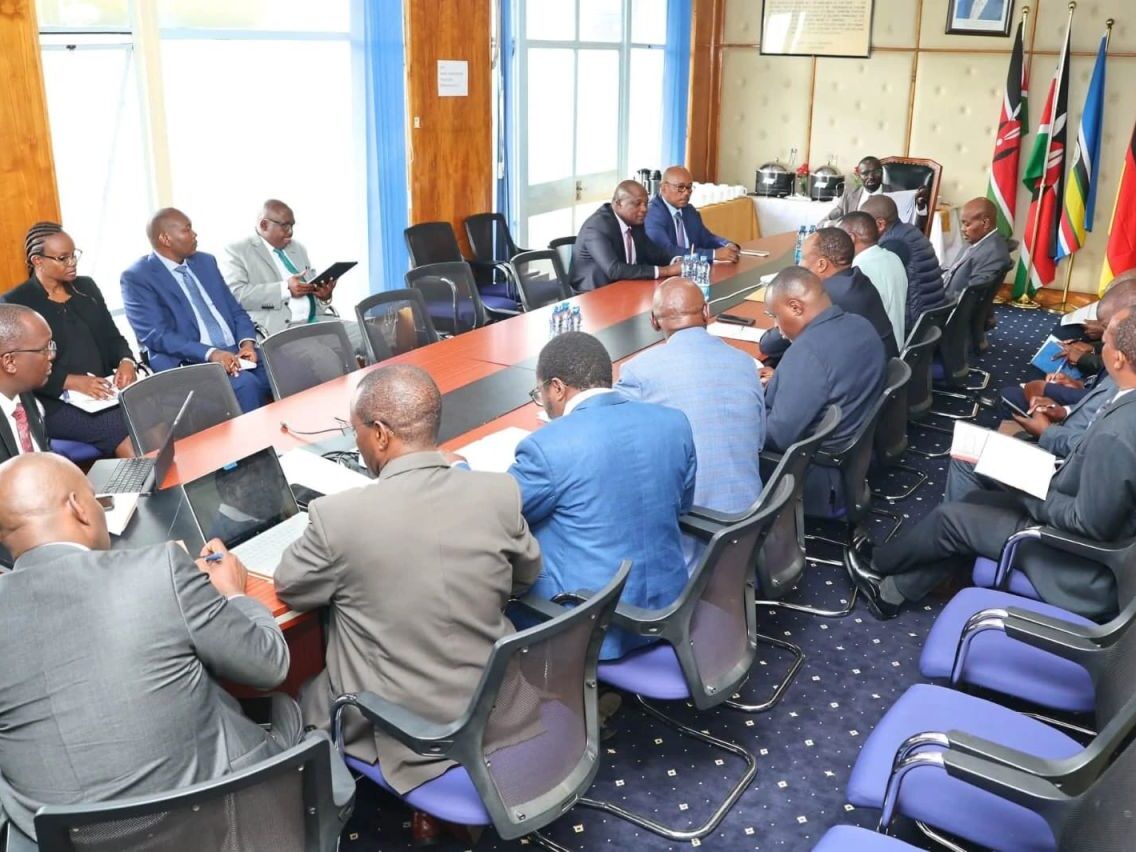
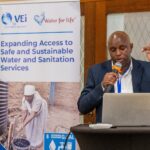
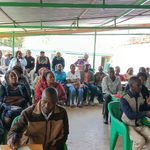
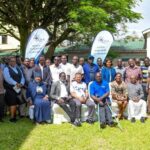
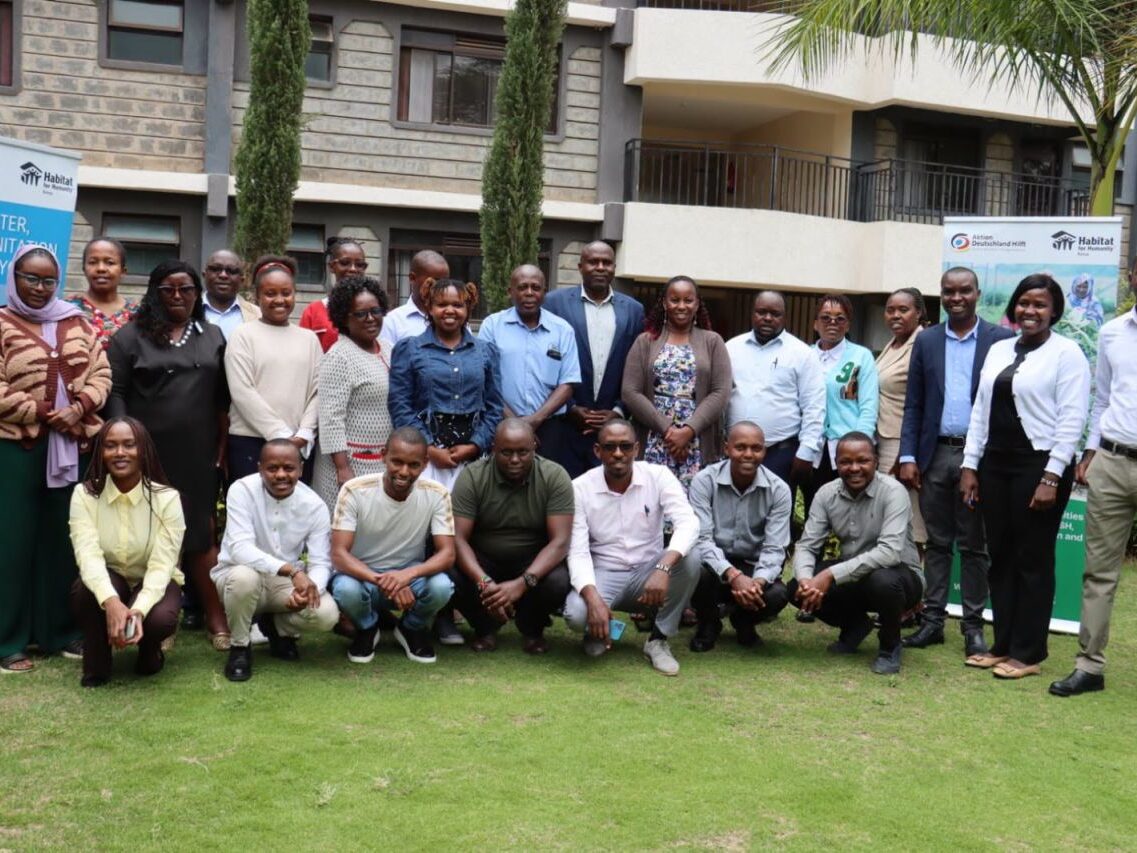
The initiative was discussed during the second Water and Sanitation Technical Working Group (WASH TWG) meeting, convened by the County Department of Water and Irrigation, Sanitation, Environment and Climate Change, bringing together the county government, Habitat for Humanity Kenya and other development partners.
Held under the theme “Building Climate-Resilient WASH Systems through Stronger Partnerships, Coordination and Innovation for Enhanced Water Security and Sustainable WASH Action in Machakos County,” the meeting provided a platform for stakeholders to assess ongoing interventions, share experiences and identify areas requiring joint action.
The discussions centred on strengthening coordination among institutions working in the water and sanitation sector, improving environmental protection and ensuring that investments deliver lasting benefits to communities.
The forum also examined the county’s ongoing water and sanitation projects under the County Integrated Development Plan (CIDP) 2023–2027, with participants reviewing implementation progress, project costs, financing gaps and priority areas requiring additional support.
A key proposal was the development of a consolidated inventory of ongoing and planned WASH projects to help the county and its partners identify areas where interventions overlap, avoid duplication and direct resources towards communities with the greatest needs.
The discussions come against a background of persistent water and sanitation challenges in Machakos, where prolonged dry seasons, declining water availability and inadequate sanitation infrastructure continue to affect communities. Drought, rising temperatures, heat stress and diminishing water resources remain significant threats to livelihoods and sustainable development.
Stakeholders therefore emphasised the importance of developing water systems that can withstand climate-related pressures, including prolonged droughts and changing rainfall patterns. This includes improving water storage, protecting existing sources, strengthening catchment management and promoting sustainable water-use practices.
Environmental protection also featured prominently, with participants highlighting the need to improve solid waste management and wastewater disposal to prevent pollution of water sources. Proper sanitation and waste management are essential in reducing the spread of waterborne diseases and protecting the environment.
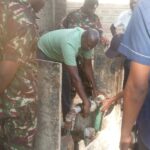
Habitat for Humanity Kenya’s participation reflects its wider work in improving access to basic services through community-based water, sanitation and housing interventions. In Machakos, the organisation has supported sanitation facilities in public schools and is undertaking improvements to sanitation blocks and borehole infrastructure at Machakos School for the Deaf, as well as sanitation improvements at Kyumbi Primary School.
Other organisations represented in the wider stakeholder engagement included the Eastern Community Development Programme, Inades Formation, Kenya Red Cross Society, the National Environment Management Authority, PDMA and ASDF.
The county government has also identified collaboration with institutions such as the Water Resources Authority and Kenya Meteorological Department as important in strengthening water security, environmental conservation and climate adaptation.
The meeting further highlighted the need for shared accountability, with partners encouraged to align their programmes with county priorities, communicate their activities and participate in monitoring the progress and sustainability of WASH investments.
By strengthening coordination between government departments, development organisations and communities, Machakos County hopes to improve the effectiveness of available resources and ensure that water and sanitation interventions respond to actual community needs.
The engagement reaffirmed that achieving sustainable WASH services requires more than constructing water infrastructure and sanitation facilities. It also depends on adequate financing, effective management, environmental protection and the involvement of communities in maintaining the facilities.
As climate pressures continue to affect water availability across the county, the partnerships are expected to support efforts to improve water security, expand sanitation services and build healthier, more resilient communities.