







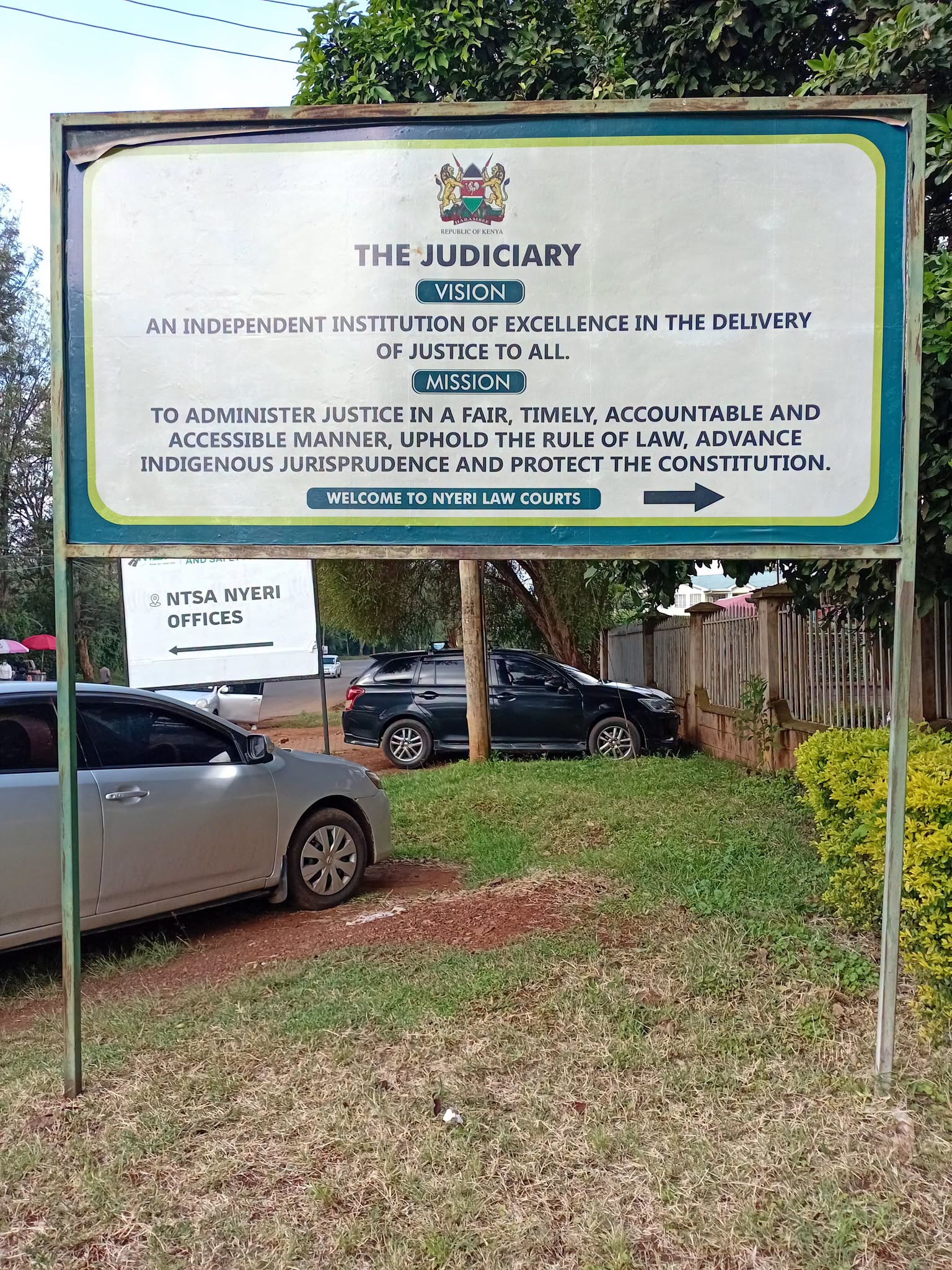
The High Court in Nyeri has cleared the way for a legal challenge against the implementation of the Water Resources Regulations 2025 after dismissing a preliminary objection by the Water Resources Authority (WRA) seeking to block the petition.
The ruling allows a petition filed by community water projects to proceed before the court, raising questions about public participation, the legality of water charges and the constitutional rights of communities that depend on local water supply systems.
Justice Kizito Magare dismissed WRA’s objection, holding that the issues raised by the petitioners involved constitutional questions that fell within the jurisdiction of the High Court.
The authority had argued that the petitioners should first have exhausted the dispute resolution procedures provided under the Water Act 2016 by referring the matter to the Water Tribunal.
However, the judge found that the case was not simply an appeal against an administrative decision by the water regulator. Instead, it challenged the constitutionality of the 2025 regulations and provisions of the Water Act itself.
The dispute involves officials of Kieni Community Water Project and a caucus representing 35 community water projects, who have challenged the implementation of the regulations without what they describe as adequate public participation.
The respondents include Cabinet Secretary for Water and Sanitation Eric Mugaa, Attorney General Dorcas Oduor, WRA and the Water Services Regulatory Board (WASREB).
The petitioners have also questioned the introduction of new water-use charges, arguing that the changes threaten the affordability and sustainability of community-managed water supply systems.
At the centre of the dispute is the increase in domestic water-use charges from KSh0.50 to KSh2.50 per cubic metre under the Water (Resources) Regulations 2025, published through Legal Notice No. 58 of 2025. The new rate represents a fivefold increase, equivalent to a 400 per cent rise.
The regulations, which came into force in April 2025, provide a framework for regulating the abstraction, use and management of water resources across the country. They cover activities involving surface water and groundwater, including domestic consumption, irrigation, commercial use and other water-related activities.
The framework also provides for water-use permits, abstraction monitoring, water conservation measures and charges payable by authorised water users. WRA is responsible for regulating the use and management of water resources, including issuing permits and monitoring compliance with abstraction conditions.
The petitioners argue that the new charges were introduced without adequate consultation with affected communities and could undermine access to affordable water, particularly for community water projects that depend on rivers and boreholes to supply households.
They have also raised concerns about the division of responsibilities between national and county governments, arguing that some provisions of the Water Act 2016 are inconsistent with the constitutional framework on the distribution of water-related functions.
Section 42 of the Water Act provides for water-use charges payable by permit holders and requires the charges to be determined through a schedule published in the Kenya Gazette following public consultation. This provision is particularly relevant to the petition because the adequacy of public participation is among the central issues the court will be asked to determine.
WRA had relied on Section 121 of the Water Act 2016, which establishes the Water Tribunal and gives it authority to hear appeals against decisions or orders issued by the Cabinet Secretary, the Authority and the Water Services Regulatory Board.
However, Justice Magare observed that although the tribunal can handle certain disputes involving water permits, administrative decisions and outstanding charges, it does not have the authority to declare an Act of Parliament unconstitutional or grant the principal remedies being sought by the petitioners.
The judge further noted that the Constitution gives citizens the right to approach the courts to challenge laws they believe violate constitutional provisions. He also rejected the argument that the dispute should be handled through intergovernmental dispute resolution, since the case involves private citizens rather than a disagreement between national and county governments.
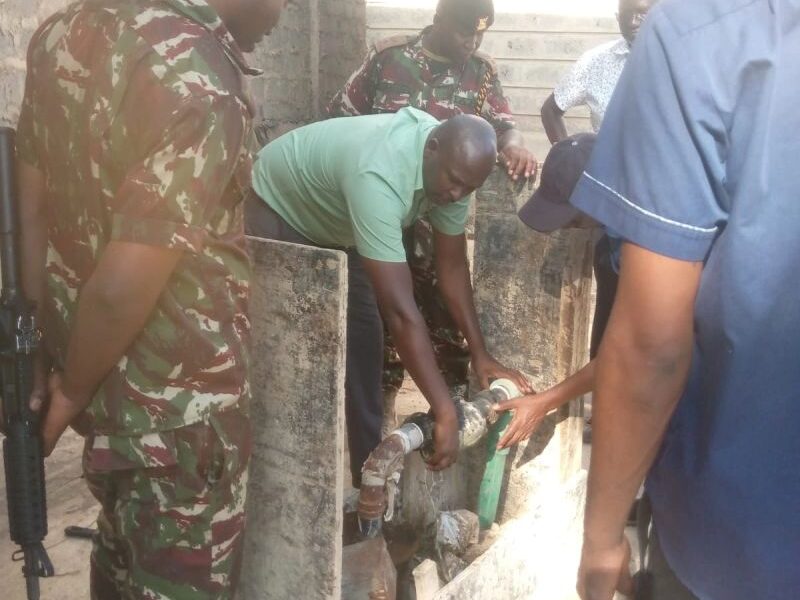
The petition also raises concerns over an incident at the Kamiruri water intake on December 5, 2025. The petitioners accuse WRA officers, accompanied by police officers, of damaging the community’s water infrastructure, including water meters and the intake outlet. These allegations form part of the wider dispute and have not been established as findings of the court.
The case has significant implications for community-managed water supply systems, which play an important role in extending access to water in rural areas where conventional water utilities may have limited coverage.
Such projects often invest in their own abstraction infrastructure, storage facilities and distribution networks, making them dependent on water-use permits and regulatory arrangements to continue operating.
The dispute also highlights the wider debate over balancing sustainable water resource management with the constitutional right of Kenyans to access clean and safe water.
While water-use charges are intended to support regulation, monitoring and sustainable management of the country’s water resources, community projects argue that the financial burden must be considered alongside their capacity to provide affordable services to households.
The ruling, delivered on November 18, 2026, does not invalidate the Water (Resources) Regulations 2025, suspend the disputed charges or determine whether the regulations were introduced lawfully. It only establishes that the High Court has jurisdiction to hear the constitutional petition.
The substantive case will therefore proceed, giving the court an opportunity to examine the legality of the regulations, the adequacy of public participation and the constitutional questions surrounding water-use charges and the management of water resources.