







The takeover comes after years of operational challenges that significantly affected the scheme’s ability to deliver reliable water supplies to households, businesses and public institutions in Bomet and Kericho counties. Despite having an installed production capacity of eight million litres per day, the facility had been producing approximately 2.7 million litres, leaving a substantial gap between available supply and demand.
Since assuming responsibility for the scheme, the Lake Victoria South Water Works Development Agency (LVSWWDA) has embarked on rehabilitation works to restore the facility’s performance and improve the reliability of water services. The intervention is aimed at addressing technical failures that have constrained production while strengthening the management of infrastructure serving communities across the two counties.
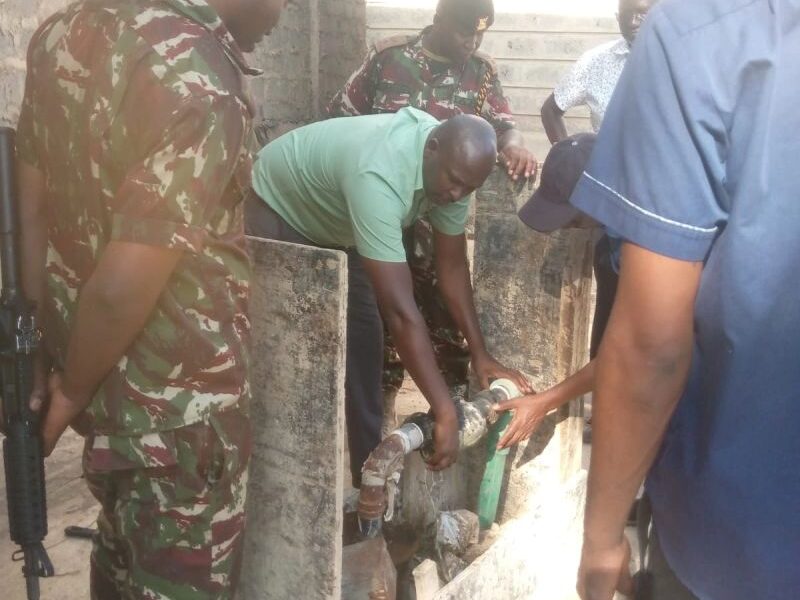
LVSWWDA Chief Executive Officer Jackline Kemunto said the rehabilitation was already yielding results less than a month after the agency took over operations. The works have included replacing seven pumps, repairing damaged pipelines and procuring water treatment chemicals to stabilise production and improve the treatment process.
The agency is targeting daily production of 7.5 million litres in the next phase of rehabilitation, before eventually restoring the facility to its full design capacity of eight million litres. Once achieved, the increased output is expected to improve water availability for approximately 240,000 residents in Bureti, Konoin and Sotik constituencies, where communities have experienced prolonged supply interruptions.
The transfer of the scheme followed consultations between the governments of Bomet and Kericho counties to resolve longstanding disagreements over its management and operation. Previously, responsibility was shared between Bomet Water and Sanitation Company (BOMWASCO) and Kericho Water and Sanitation Company (KEWASCO), an arrangement that created challenges in coordinating operations and maintaining the shared infrastructure.
Under the previous structure, BOMWASCO managed the water intake, treatment works and part of the distribution network, while KEWASCO was responsible for distribution within Kericho County. However, differences over electricity bills, maintenance obligations and operational responsibilities complicated the arrangement, affecting the efficiency of the scheme.
Efforts to resolve the management challenges gathered momentum in March 2026, when a taskforce established to oversee the transition presented its adoption report. The process eventually paved the way for the transfer of the bulk water infrastructure to LVSWWDA, which will now oversee production and supply treated water to the respective county water utilities for onward distribution to consumers.
The transition is also linked to changes in Kenya’s water-sector institutional framework under the Water Act 2016 and its 2024 amendments, which strengthened the role of Water Works Development Agencies in the development and management of bulk water infrastructure. The arrangement is intended to separate bulk water production from retail distribution, allowing specialised agencies to manage major infrastructure while county water utilities concentrate on supplying consumers.
The transfer was further facilitated by a bulk water management licence issued to LVSWWDA by the Water Services Regulatory Board (WASREB). The two county governments subsequently signed a framework agreement and deed of handover, formally advancing the transition to a centralised management arrangement.
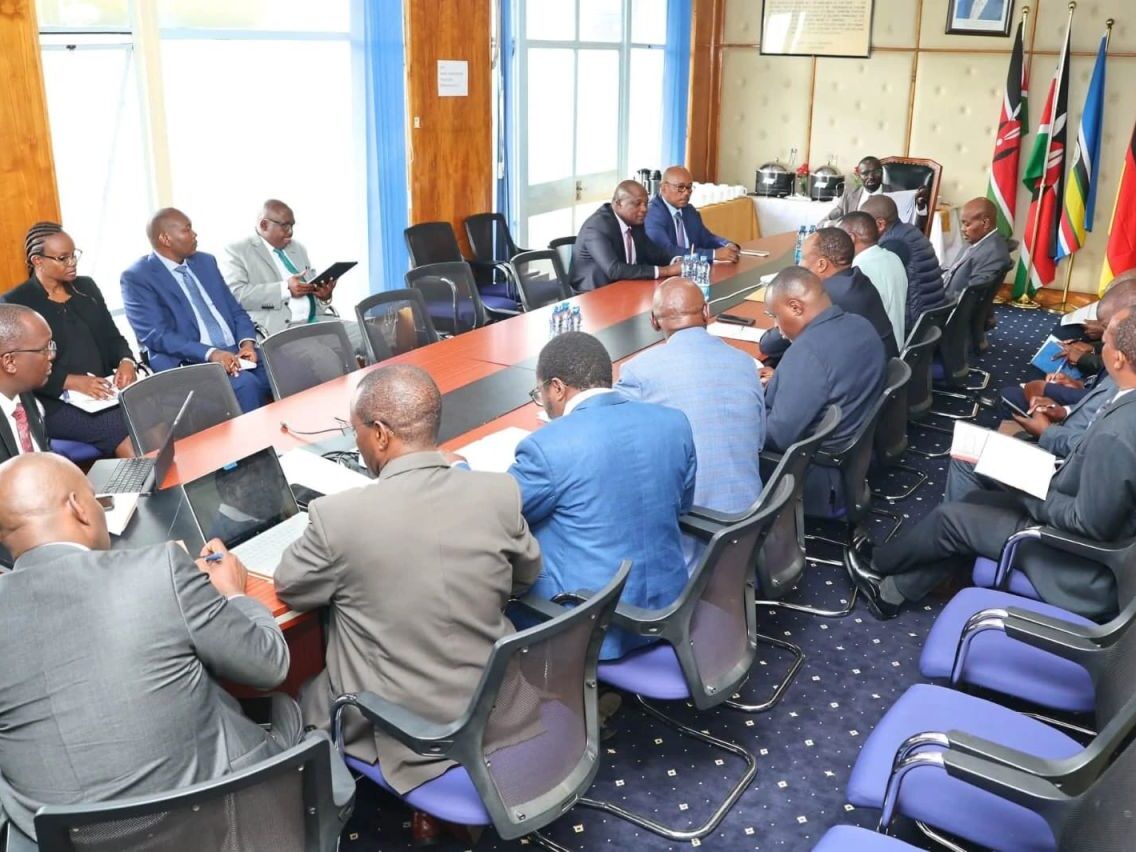
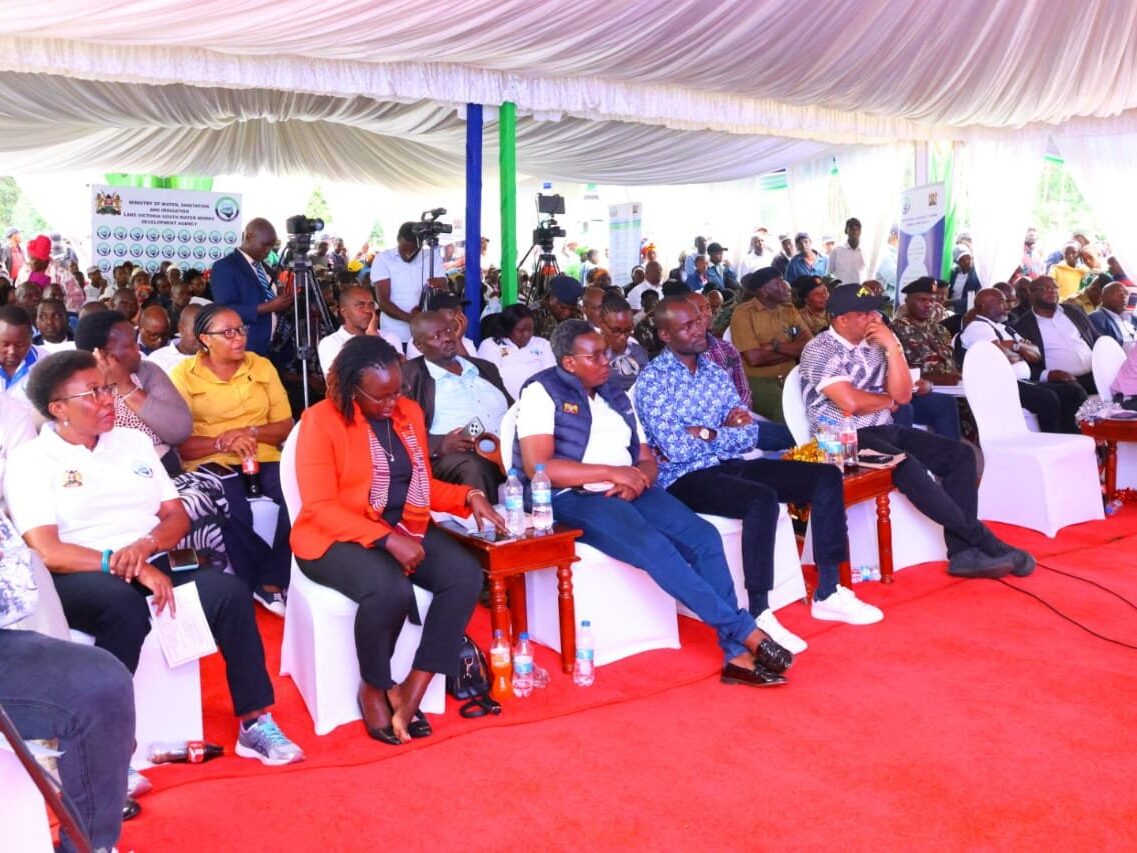
Principal Secretary for Water and Sanitation Julius Korir, who presided over a stakeholders’ forum following the handover, said the new management structure was expected to improve accountability and strengthen service delivery. He reported that production had risen from approximately 1.9 million litres to more than five million litres daily within three weeks of the agency assuming operations.
Korir urged the county governments, water companies and other stakeholders to work together to sustain the gains. He also emphasised the need to reduce non-revenue water and improve revenue collection, noting that efficient operations and timely payment of water bills would be important in financing maintenance and ensuring the long-term sustainability of the scheme.
Bomet Senator Hillary Sigei welcomed the intervention, saying residents had endured water shortages for about four years despite repeated efforts to resolve the challenges through engagements with county leadership and parliamentary committees. He expressed hope that the increased production would translate into dependable supplies for households, schools, businesses and other public institutions.
Beyond the immediate rehabilitation, LVSWWDA is expected to undertake further infrastructure improvements to address the technical weaknesses that have limited the scheme’s performance. The agency will also face the task of maintaining the pumping systems, treatment facilities and distribution infrastructure to prevent a recurrence of the operational problems that previously affected service delivery.
The intervention comes as the national government continues to pursue additional water infrastructure investments in Bomet and Kericho counties. Among the projects highlighted are the Bomet-Mulot Water Project, reported to be 92 per cent complete, and the Kabianga Water Project, which has reached 80 per cent completion. Other planned investments include the proposed Chesambai Dam in Sotik and the Bomet Last Mile Water Project.
In Kericho, the government is also pursuing the Kericho Water and Sanitation Project in partnership with Germany’s KfW Development Bank. The initiative is intended to strengthen water supply and sanitation infrastructure as demand for reliable services continues to grow.
The takeover of the Itare-Litein scheme represents a significant shift in the management of shared water infrastructure, demonstrating how institutional coordination can help address operational challenges affecting water supply across county boundaries. However, the success of the new arrangement will ultimately depend on the agency’s ability to sustain production, minimise water losses, maintain critical infrastructure and ensure equitable distribution between the two counties.
For the approximately 240,000 people expected to benefit, the increase in production offers renewed hope of more reliable water services after years of shortages. The challenge now is to translate the improved performance at the treatment works into consistent supplies reaching households and institutions across the scheme’s service area.