







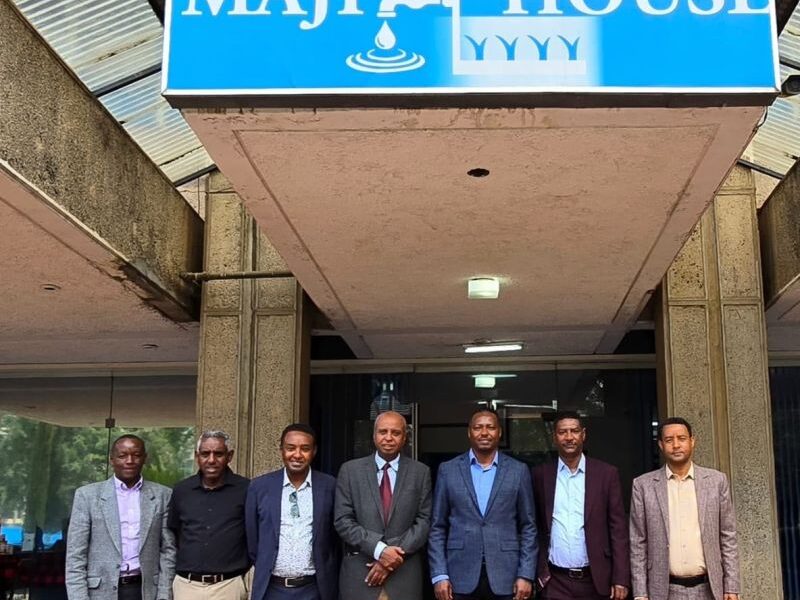
Kenya’s water-sector governance and utility management model is attracting regional interest, with a delegation from Ethiopia’s Ministry of Water and Energy visiting the country to learn from its institutional arrangements and approaches to improving water and sanitation service delivery.
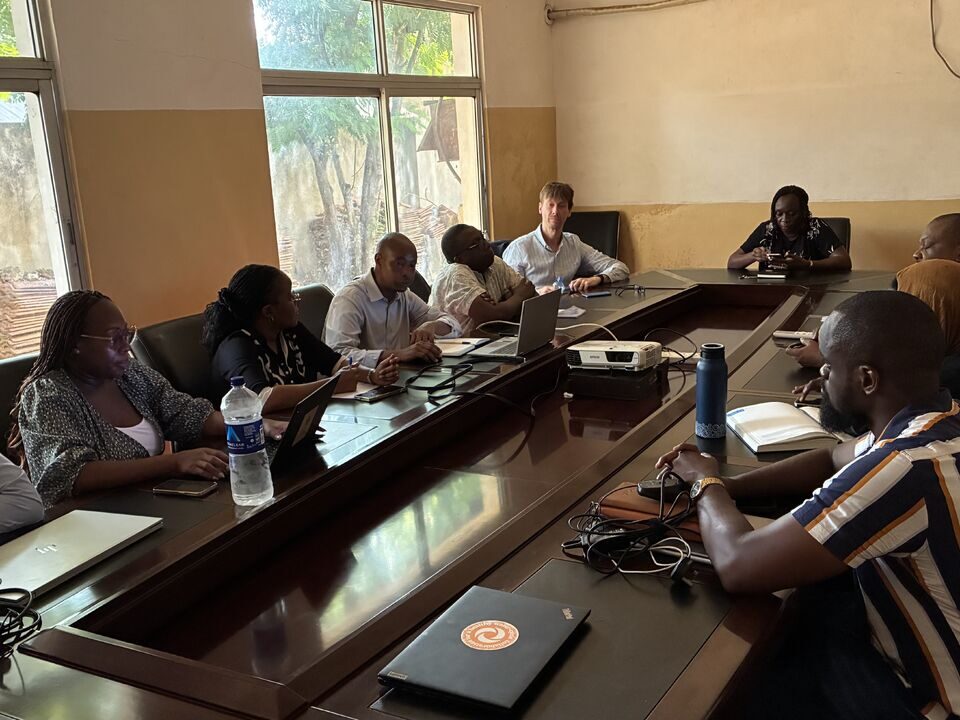
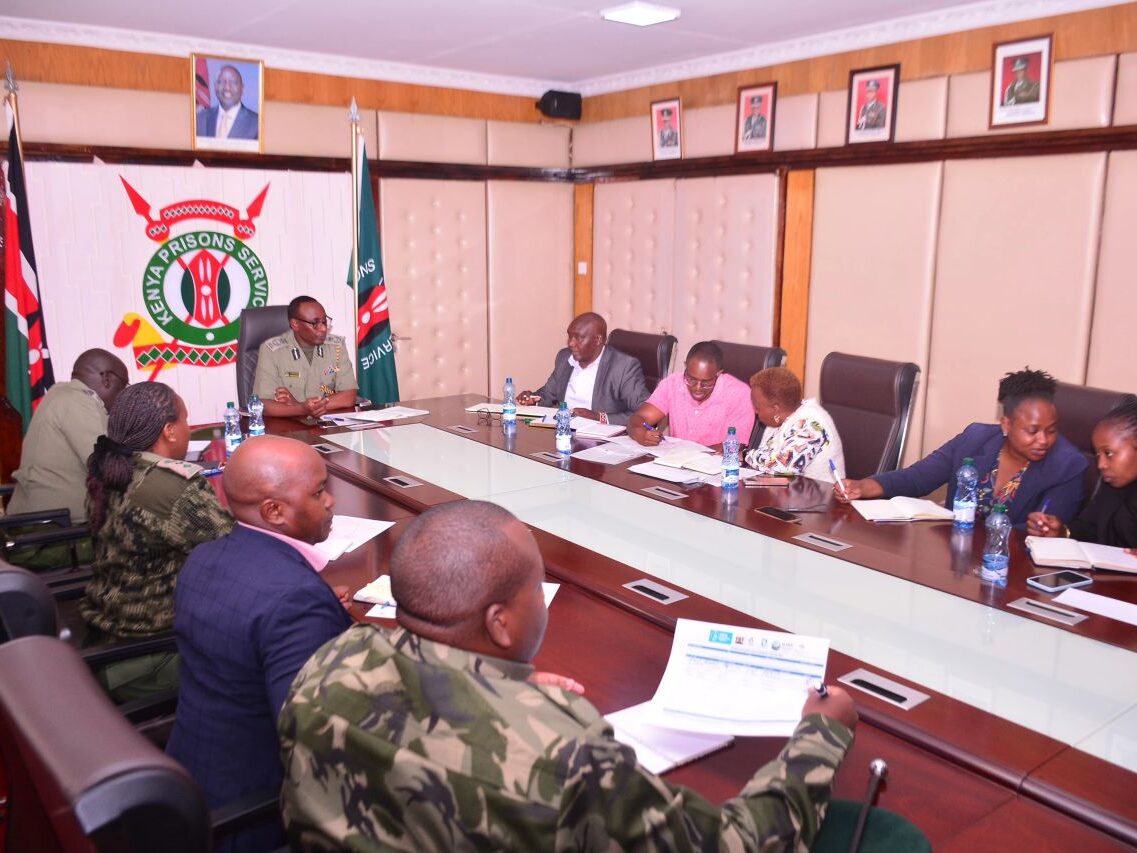
The delegation held consultative discussions with the Water and Sanitation Providers Association (WASPA), led by its Chief Executive Officer Anthony Njaramba, as part of an exposure visit aimed at understanding how Kenya organises and supports its water service providers.
The Ethiopian team comprised Abiy Grima, Head of the One WASH Programme; Haimanot Belete, Head of the Regulatory Establishment Division; and Yirgal Alemu, a Utility Expert in the Regulatory Establishment Division. They were accompanied by Daniel Truneh, VEI Regional Director for East and Northern Africa, and Solomon Waltenigus, a VEI expert.
Discussions centred on Kenya’s water-sector governance framework, institutional responsibilities and the contribution of WASPA in strengthening the operational capacity of water utilities. Particular attention was given to capacity building, sector advocacy, performance benchmarking and peer-to-peer learning as mechanisms for improving service delivery.
Established in 2002, WASPA brings together water and sanitation service providers to share experiences, promote professional development and advocate for an enabling environment for efficient utility operations. Its work includes training, technical assistance, networking, partnerships and the promotion of best practices in water and sanitation management.
Kenya’s water-sector structure provides an interesting model for regional learning because it separates policy formulation, regulation and frontline service provision among different institutions. Under the Water Act 2016, county governments are responsible for water and sanitation service provision and own the county water utilities, while the national government retains responsibility for policy direction and sector regulation.
The Water Services Regulatory Board (WASREB) oversees the performance of licensed providers, sets service standards, regulates tariffs and monitors compliance with licensing conditions. Water service providers are responsible for delivering water and sanitation services to consumers and maintaining infrastructure within their areas of operation.
Within this arrangement, WASPA provides an additional platform through which utilities can collectively address operational challenges, exchange technical knowledge and improve their management practices. Its benchmarking initiatives also provide opportunities for providers to assess performance in areas such as service delivery, commercial viability and operational efficiency.
The exposure visit is particularly relevant to Ethiopia, which has been pursuing institutional reforms and expanded coordination through its One WASH National Programme, launched in 2013. The programme brings together government institutions responsible for water, health, education and finance to coordinate investments and improve access to water, sanitation and hygiene services.
Ethiopia has also been exploring stronger regulatory arrangements for urban water and sanitation services, reflecting growing attention to utility accountability, consumer protection and financial sustainability.
The engagement with WASPA therefore provides an opportunity for the Ethiopian delegation to examine how a national association can complement government institutions and regulators by supporting utilities through professional development, collective representation and the sharing of operational experience.
The participation of VEI, an international organisation working with water utilities, also highlights the importance of partnerships in facilitating knowledge exchange and strengthening institutional capacity across the water sector.
As African countries continue to pursue universal access to safe water and sanitation, stronger institutions and professionally managed utilities remain essential to translating infrastructure investments into reliable services. The exchange between Kenya and Ethiopia demonstrates the potential for regional cooperation to accelerate these improvements through shared experiences and practical lessons in water-sector management.