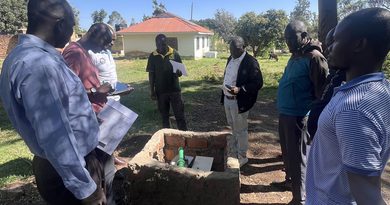
KWASH steps up safety in water projects
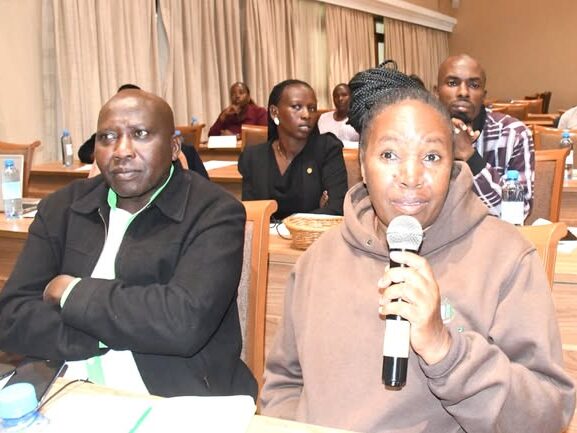
The Kenya Water, Sanitation and Hygiene Programme (KWASH) has launched a three-day training aimed at strengthening environmental, social, health and safety risk management across water, sanitation and hygiene projects being implemented in participating counties.
The annual Environmental, Social, Health and Safety (ESHS) Risk Management Training, taking place in Naivasha, brings together County ESHS teams and representatives from Water Service Providers (WSPs) drawn from 19 counties participating in the KWASH programme.
The training is designed to equip county teams and implementing partners with the knowledge and skills needed to identify, assess, manage, monitor and report environmental, social, health and safety risks associated with KWASH-supported projects.
During the opening sessions, participants were taken through the objectives and agenda of the training before engaging in discussions on Environmental and Social Project Action Plans (ESPs/PAPs), ESHS risk management and KWASH information disclosure requirements.
The sessions also examined Environmental, Health and Safety (EHS) requirements applicable to DL1–DL8, providing participants with guidance on how to integrate environmental and social safeguards into project implementation.
Participants further discussed the role of Independent Verification Agents (IVAs) and the importance of effective stakeholder engagement. Particular emphasis was placed on strengthening collaboration between county governments, Water Service Providers and local communities to ensure that projects are implemented transparently and respond to community needs.
The afternoon sessions yesterday shifted focus to practical aspects of ESHS implementation. Key areas included the KWASH Grievance Redress Mechanism (GRM), which provides a structured process for addressing complaints and concerns raised by project-affected communities.
Participants were also briefed on the respective roles of the Project Management Unit (PMU) and Project Implementation Units (PIUs), as well as procedures for preparing environmental and social progress reports for sub-projects.
Other critical areas covered during the training included incident reporting, planning and budgeting for environmental and social activities, and reporting on grievances. Gender-related safeguards also featured prominently, with participants receiving guidance on addressing Gender-Based Violence (GBV), Sexual Exploitation and Abuse (SEA), and related risks within project areas.