Water programme boosts ESHS compliance
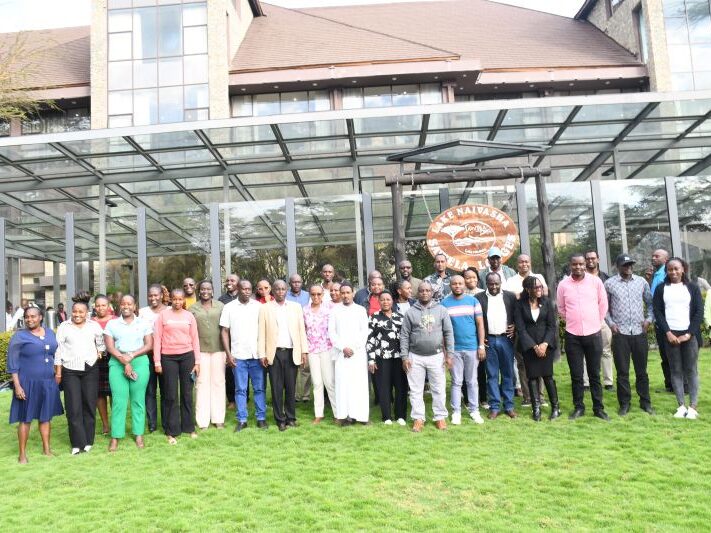
The Kenya Water, Sanitation and Hygiene (KWASH) programme has stepped up efforts to strengthen environmental and social safeguards in the implementation of water and sanitation projects, as its annual Environmental, Social, Health and Safety (ESHS) Risk Management Training entered its second day in Naivasha.
The training brought together county teams and other stakeholders to review progress, address emerging challenges and strengthen compliance with environmental and social requirements governing KWASH investments.
Participants began the second day by revisiting key lessons from the opening sessions, before turning their attention to land requirements for KWASH sub-projects. Discussions focused on the procedures involved in land acquisition, the documentation required and the need to ensure that land-related processes are properly managed before projects are implemented.
The teams also examined the Environmental and Social Impact Assessment (ESIA) process, with attention given to both completed projects and new projects in the pipeline. The assessments are intended to help identify potential environmental and social risks associated with development activities and guide appropriate measures to manage them.
County representatives used the training to provide updates on the progress of their respective projects. These included the status of Grievance Redress Mechanism (GRM) logs, land acquisition processes and implementation of ESIAs.
The discussions provided an opportunity for participants to identify areas requiring further attention while sharing experiences and lessons from project implementation across different counties.
The afternoon sessions shifted focus to requirements set by the Water Resources Authority (WRA), with participants examining the steps counties and Water Service Providers (WSPs) need to take to meet environmental, social, health and safety requirements.
Participants discussed the roadmap for strengthening compliance, including specific actions, responsibilities and measures required to improve implementation. The discussions also highlighted the importance of ensuring that environmental and social considerations are integrated into water and sanitation projects from planning through implementation.
Strong environmental and social safeguards are critical to infrastructure projects because they help institutions identify potential risks early and put measures in place to protect communities, workers, landowners and the environment.
The training concluded with participants reviewing key lessons from the day, agreeing on priority actions and outlining the way forward.
The discussions reinforced the commitment of KWASH stakeholders to ensuring that investments in water and sanitation deliver lasting benefits while meeting environmental and social standards.
As counties and Water Service Providers continue implementing water and sanitation projects, the training provides an important platform for strengthening institutional capacity, improving compliance and ensuring that development investments are carried out responsibly.
The Naivasha training therefore places greater emphasis on proactive risk management, accountability and coordinated action, with stakeholders expected to translate the lessons and agreed actions into improved implementation of KWASH projects across the country.