How Kenyans are helping monitor the country’s fresh water sources
Kenya is stepping up efforts to strengthen community participation in water quality monitoring, with stakeholders calling for better coordination, reliable data and wider involvement of local communities in protecting the country’s freshwater resources.
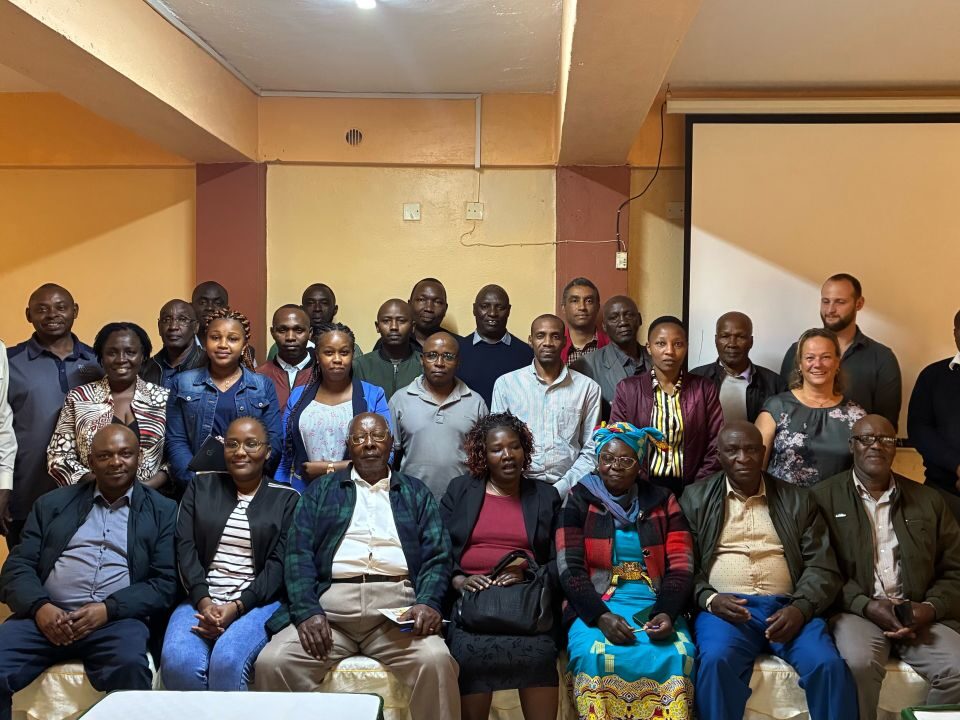
The call emerged during a stock-taking meeting held at the Water Resources Authority (WRA) Head Office, where stakeholders reviewed the progress of citizen science in river health monitoring and assessed the gaps that need to be addressed to expand the initiative across the country.
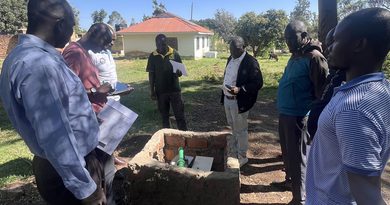
Citizen science has increasingly provided communities with an opportunity to participate directly in monitoring the health of rivers and other freshwater sources. Through Water Resources Users Associations (WRUAs), local communities are collecting information that can help authorities understand changes in water quality and support evidence-based management of water resources.
Currently, 49 WRUAs are engaged in citizen science activities focused on river health monitoring. However, only 17 of these associations are actively submitting water quality data, highlighting a gap between participation and consistent data collection.
The participating groups monitor several water quality indicators, including pH, dissolved oxygen, turbidity, temperature, phosphates, nitrates and biota. These parameters can provide important information on the condition of freshwater ecosystems and help identify changes that may require intervention.
Stakeholders noted that while the amount of information being generated by communities is growing, the data remains fragmented. KeNAWRUA is collecting data submitted through the initiative, but the absence of a comprehensive national picture limits its potential to support water resource planning, investment and environmental protection.
One of the key priorities identified during the meeting is therefore the integration of community-generated information into a national water quality database. The move is expected to ensure that data collected by communities reaches institutions and decision-makers responsible for planning and managing Kenya’s water resources.
The stakeholders are also working towards establishing a stronger policy and regulatory framework for citizen science. This includes the adoption of the draft Citizen Science Policy and the development of national guidelines to provide a common framework for implementation. Terms of Reference for expert support in advancing this process are also being finalised.
Quality assurance has emerged as another critical area requiring attention. Stakeholders emphasised the need to establish consistent quality assurance mechanisms across all basin areas to ensure that data generated through community monitoring is credible and can be used alongside other forms of scientific evidence.
Plans are also underway to develop an inventory of organisations involved in citizen science across Kenya. The inventory will document the organisations participating in the work, the areas where they operate, the parameters they monitor and the partners supporting their activities. This is expected to provide a clearer picture of the citizen science landscape and help identify opportunities for collaboration.
Stakeholders further proposed convening a consultative forum bringing together citizen science funders and data collectors. The forum would provide an opportunity to strengthen partnerships and mobilise resources for initiatives linked to water security, environmental health, open data and community resilience.
An emerging concern raised during the discussions was the impact of gold mining on freshwater sources. Mining activities along water bodies can introduce pollutants into water systems, potentially exposing communities that depend on these sources for their daily needs.
The stakeholders identified a particular need for heavy-metal testing kits in freshwater systems located in mining-affected areas. Such equipment would enable communities and monitoring partners to detect potential contamination and generate evidence that can inform appropriate interventions.
The discussions also highlighted the ambition to expand citizen science participation beyond the current 49 WRUAs, with stakeholders seeking to reach all 200 WRUAs. The wider network is expected to strengthen community-based surveillance of rivers and improve the availability of local water quality information.
The initiative brings together government agencies, community organisations, development partners and environmental stakeholders, including the Ministry of Water, Sanitation and Irrigation, WWF-Kenya, Earthwatch Europe and the World Water Quality Alliance.
As Kenya seeks to strengthen the protection and sustainable management of its freshwater resources, stakeholders say stronger partnerships, reliable data and increased community participation will be essential in ensuring that rivers and other water sources are continuously monitored and protected.