
Kisumu expands safe sanitation access
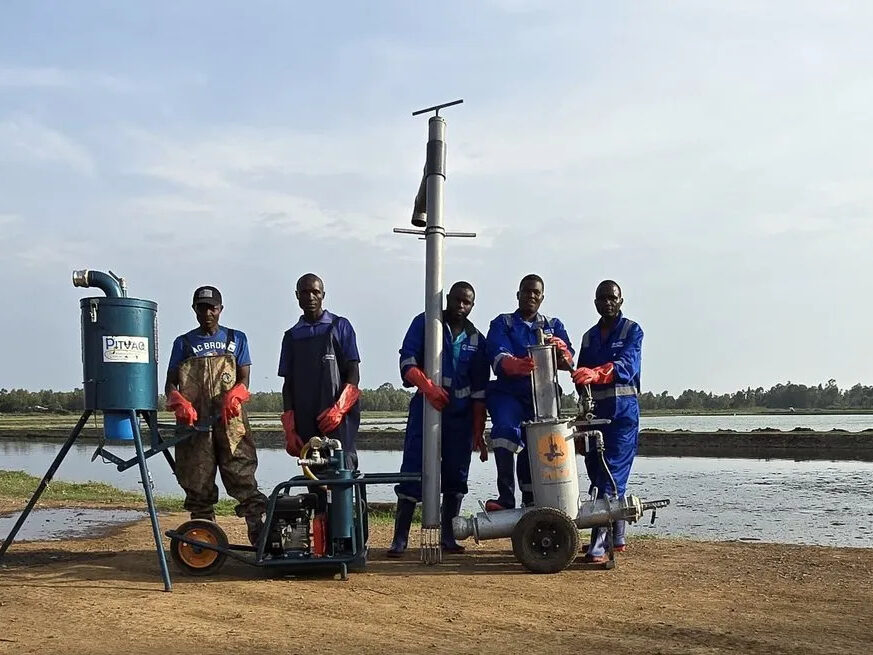
Kisumu Water and Sanitation Company (KIWASCO) is strengthening access to safe sanitation services by supporting the growth of formal pit latrine emptying operators, particularly in underserved areas where conventional sewer networks and vacuum trucks cannot operate.
The initiative is part of the company’s efforts to ensure that residents across Kisumu have access to reliable and safe sanitation services, regardless of their location or the availability of conventional sewer infrastructure.
Since 2018–2019, the number of formal pit latrine emptying service providers operating in Kisumu has increased from three to 11, marking significant progress in expanding sanitation coverage across the city.
The increase has helped extend essential sanitation services to communities that previously faced difficulties accessing safe and reliable pit latrine emptying services.
According to KIWASCO, the growth of these operators has been supported by deliberate efforts to create an enabling environment that encourages the development of formal sanitation businesses.
A case study conducted by Opero Services examines how Kisumu has facilitated the growth of these service providers through collaboration, regulation and innovation.
The study highlights the progress achieved in strengthening non-sewered sanitation services while identifying existing challenges and gaps that require further attention to ensure sustainable service delivery.
It also explores lessons that other counties can draw from Kisumu’s experience as they seek to improve sanitation services in areas without conventional sewer infrastructure.
Non-sewered sanitation remains an important component of urban sanitation, particularly in densely populated and underserved settlements where constructing sewer networks can be difficult or expensive.
In such areas, formal pit latrine emptying operators provide an alternative by helping households safely manage sanitation waste and reducing the risks associated with inadequate waste disposal.
By supporting these operators, KIWASCO aims to strengthen sanitation service delivery while promoting an inclusive approach that addresses the needs of communities traditionally excluded from conventional sanitation systems.
The company’s experience also demonstrates the importance of cooperation among water service providers, regulators, sanitation entrepreneurs and other stakeholders in addressing urban sanitation challenges.
However, despite the progress recorded, the case study acknowledges that gaps remain and that continued efforts are necessary to strengthen the sector and expand service coverage.
KIWASCO is encouraging stakeholders, policymakers and sanitation service providers to examine the findings of the study and explore how its lessons can inform similar initiatives in other counties.
The initiative highlights the potential of formal non-sewered sanitation services to complement conventional sewer systems and contribute to improved public health, environmental protection and sustainable urban development.
As Kisumu continues to expand its sanitation services, the growth of formal pit latrine emptying operators provides an example of how collaboration, effective regulation and innovation can help improve access to safe sanitation in underserved urban communities.