Schools WASH drive gains fresh momentum
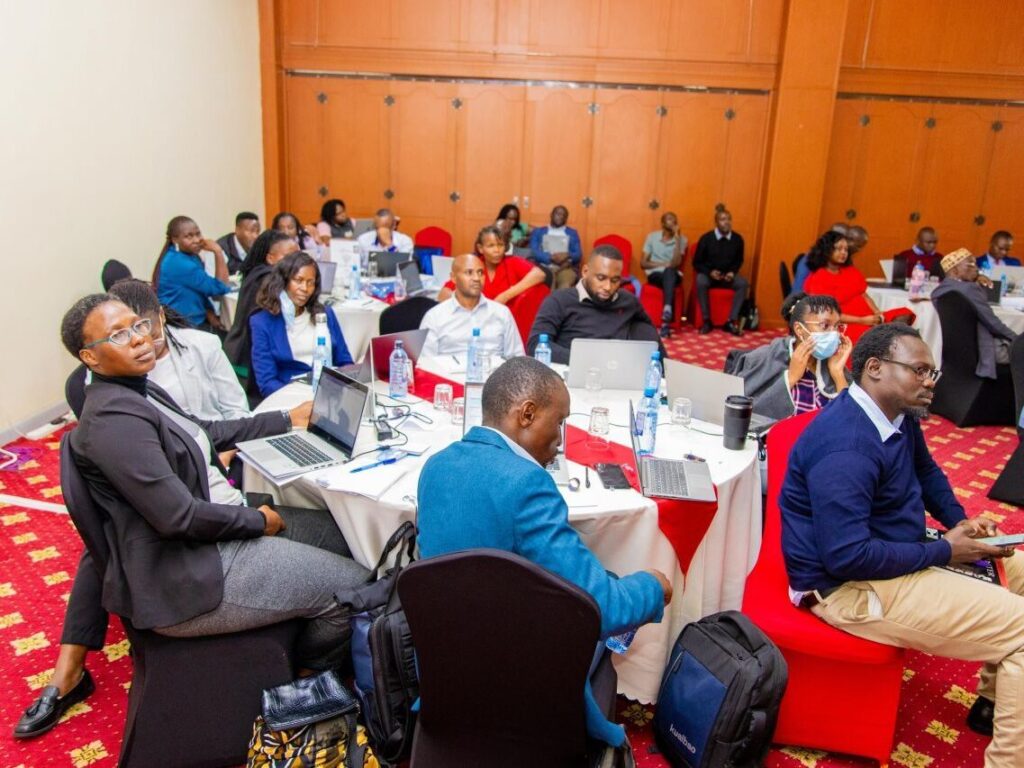
Water Works Development Agencies (WWDAs) have stepped up preparations to improve water, sanitation and hygiene (WASH) services in schools through a focused workshop held as part of the sixth K-WASH Implementation Support Mission.
The workshop, held in Nairobi on September 24, 2026, brought together the K-WASH Project Management Unit (PMU) and representatives from nine participating WWDAs to assess implementation progress and strengthen preparations for the delivery of school WASH interventions.
The meeting provided an opportunity for the agencies to review implementation requirements, address emerging challenges and identify areas where additional technical assistance is needed to ensure the programme remains on course.
A major focus of the discussions was the implementation of WASH projects in schools. The PMU provided guidance on Project Operations Manual and Vulnerable Projects requirements and standards, while also reviewing the final list of priority schools identified for support in the participating counties.
Participants also discussed how the agencies will work with county governments, the Ministry of Education and individual schools to facilitate effective implementation of the planned interventions.
The workshop further assessed the implementation readiness of the participating WWDAs. Each agency presented progress on its upstream Disbursement Linked Indicator (DLI) readiness package, covering key areas such as project designs, workplans, budgets and statutory documentation.
The presentations enabled the agencies and the PMU to identify outstanding requirements and agree on measures to strengthen preparedness before implementation advances to the next stages.
Readiness for Cycle 3 was another important area of discussion. The WWDAs reviewed their DLI achievement forecasts and examined the actions required to improve their preparedness and increase the likelihood of meeting the agreed implementation targets.
Environmental and social safeguards also featured prominently during the workshop. Participants reviewed requirements under the New Investment Readiness DLI and discussed environmental and social monitoring measures that will guide implementation.
Financial management and procurement were also examined, with participants reviewing disbursement procedures, financial reporting, audit requirements and internal controls. The agencies also assessed the implementation of procurement plans and compliance with actions under the Project Affected Persons (PAP) framework.
The workshop concluded with the development of agency-specific action plans outlining priority areas and the technical support required to address outstanding issues.
The engagement is expected to strengthen coordination among the PMU and WWDAs while helping ensure that planned school WASH investments are implemented effectively.
Improving access to safe water, sanitation and hygiene facilities in schools remains essential to creating healthier learning environments and supporting the well-being of learners and school communities across Kenya.