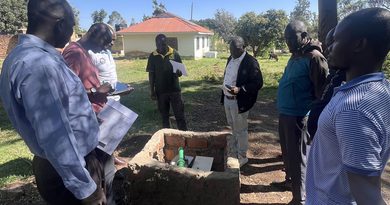
Community consultations pave way for borehole works
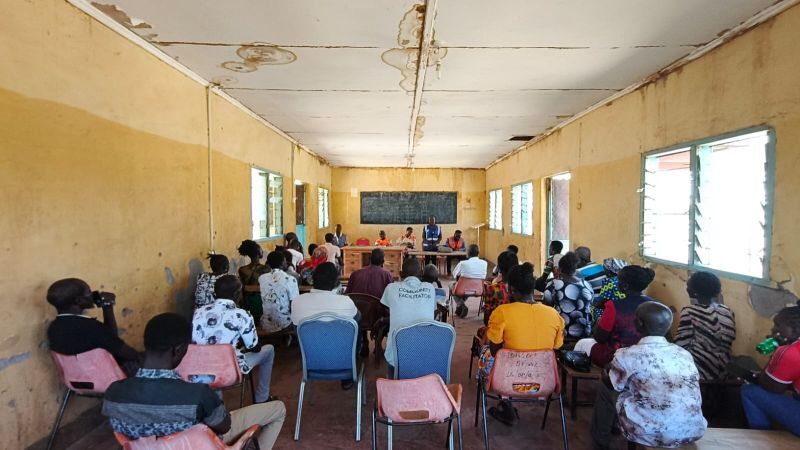
Preparations for the next phase of borehole development in Lokwii and Lotubae have gained momentum following a project committee engagement conducted as part of the Horn of Africa Ground Water for Resilience Project (HoAGW4RP).
The engagement, led by CAS Consultants, brought together project committee members, contractor technical teams and other stakeholders to assess the proposed borehole sites and prepare communities for the upcoming steel works. The exercise focused on strengthening coordination, creating awareness among residents and ensuring that construction activities proceed smoothly once the works commence.
During the field engagement, the team visited the identified borehole locations to assess the sites and examine infrastructure and facilities situated around the proposed construction areas. The assessment was intended to identify facilities that could be affected by construction activities and determine measures that may be required to ensure that the borehole works are properly integrated into the surrounding environment.
The consultants and technical teams also used the visit to engage project committee members on the scope of the upcoming works. They discussed the activities expected to take place at the borehole sites, anticipated implementation timelines and the role of different stakeholders in supporting the construction process.
Community awareness formed a key component of the engagement, with residents in Lokwii and Lotubae being sensitised on the planned steel works. The committees were encouraged to maintain close communication with the project implementation teams and share relevant information that could assist contractors and technical personnel during construction.
Residents were also urged to provide feedback on issues that may arise as the works progress. Such participation is expected to help identify potential challenges at an early stage and facilitate timely responses by the project teams.
The engagement highlighted the importance of community involvement in groundwater infrastructure projects, particularly in areas where reliable water supplies are essential to households and livelihoods. By involving local communities and project committees in the implementation process, stakeholders can better understand the planned infrastructure and contribute to its successful development and eventual operation.
Environmental and social considerations also featured during the site assessment. The exercise provided an opportunity for the project team to identify potential concerns before construction begins and consider appropriate measures to minimise disruption to the surrounding communities and infrastructure.
HoAGW4RP is supported by the World Bank and is aimed at improving access to sustainable groundwater resources while strengthening water security and resilience among communities in the Horn of Africa. The project places emphasis on developing groundwater infrastructure that can provide dependable water supplies to communities facing water-related challenges.
The latest engagement represents an important stage in preparations for the borehole steel works in Lokwii and Lotubae. The installation of the required steel components is expected to move the borehole infrastructure closer to completion and operationalisation.
Project stakeholders noted that continued consultation will remain important throughout the implementation period. Regular engagement between communities, project committees, consultants, contractors and technical teams is expected to support effective coordination and help ensure that the works meet the required technical, environmental and social standards.
Once completed and operational, the borehole infrastructure is expected to contribute to improved access to reliable groundwater for communities in the targeted areas. The ongoing preparations therefore mark a significant step in efforts to strengthen local water security and build resilience through sustainable groundwater development.