KEWI, JKUAT advance water sector collaboration
Efforts to strengthen research, skills development and innovation in Kenya’s water and environmental sector have received a boost following discussions between the Kenya Water Institute (KEWI) and Jomo Kenyatta University of Agriculture and Technology (JKUAT).
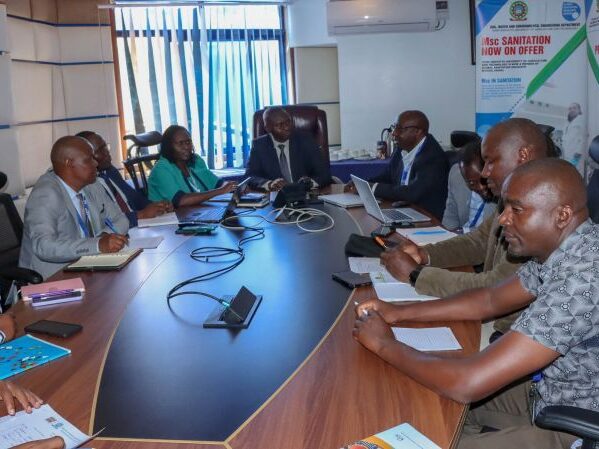
The two institutions held discussions with the Department of Soil, Water and Environmental Engineering at JKUAT to explore areas of mutual cooperation and strengthen institutional linkages in water resources management and related fields.
The engagement culminated in an agreement to develop a Memorandum of Understanding (MoU) that will provide a framework for future collaboration between the institutions. The proposed partnership is expected to create opportunities for joint research and innovation, proposal development, resource mobilisation, consultancy and technical services.
The framework will also facilitate sharing of equipment and laboratory resources, as well as the exchange of knowledge and technical expertise between staff and students.
The collaboration comes at a time when Kenya’s water sector requires strengthened technical capacity, research and innovation to respond to growing challenges in water resources management, environmental protection and sustainable development. Closer links between training institutions and universities can help bridge knowledge gaps while supporting the development of practical solutions to emerging challenges in the sector.
A key issue discussed during the engagement was JKUAT’s Bachelor of Science in Water Resources Management programme. The programme provides an opportunity for KEWI graduates who have completed diploma-level training to progress to higher levels of education and further develop their expertise in water resources management.
The proposed academic linkage could provide graduates with a clearer pathway for advancing their studies while strengthening the professional skills available to Kenya’s water sector. Further training in water resources management can equip practitioners with knowledge needed to support sustainable planning, development, conservation and utilisation of the country’s water resources.
Beyond academic progression, the proposed partnership is expected to promote greater interaction between researchers, lecturers, technical experts and students. Such collaboration can support the exchange of ideas and encourage research that responds to practical challenges facing communities and institutions responsible for water and environmental management.
Joint research and innovation initiatives could also provide a platform for the two institutions to develop solutions in areas such as water conservation, environmental sustainability, water quality, infrastructure management and climate resilience. Collaborative proposal development and resource mobilisation may further expand opportunities for research and capacity-building programmes.
The planned sharing of laboratory equipment and technical facilities is another area that could strengthen practical training and research. Access to specialised resources can enhance the ability of students and professionals to undertake scientific investigations and develop evidence-based approaches to water resource management.
The institutions are expected to continue consultations as they work towards formalising the proposed MoU. Once established, the partnership will provide a structured basis for implementing joint activities and expanding cooperation in areas of shared interest.
The collaboration is ultimately expected to benefit students, staff, researchers and the wider water and environmental sector by creating more opportunities for professional development, knowledge exchange and innovation.
Through stronger partnerships between academic and technical institutions, Kenya can continue building the specialised human capacity required to manage its water resources sustainably and address the complex environmental and water challenges facing the country.