Nyabondo water system supports better services
A newly completed water project in Kisumu County is set to improve access to reliable water for health, education, sanitation and household needs after stakeholders strengthened the capacity of the committee tasked with managing the system.
The St. Joseph Nyabondo Water Project serves a range of institutions and communities, including St. Joseph Nyabondo Catholic Parish, St. Joseph Nyabondo Mission Hospital, special-needs schools, boarding schools, religious residences and surrounding households. The project is expected to provide a more dependable water supply to thousands of beneficiaries in the area.
Following completion of the water infrastructure, WEFTA partnered with SAWASHI and the Directorate of Water and Sanitation in the County Government of Kisumu to conduct a two-day capacity-building training for the newly established Water User Committee.
The training brought together representatives from the parish, mission hospital, schools and other institutions benefiting from the water system. It was designed to equip committee members with practical knowledge and skills required to manage the facility effectively and ensure that the investment continues to provide reliable services over the long term.
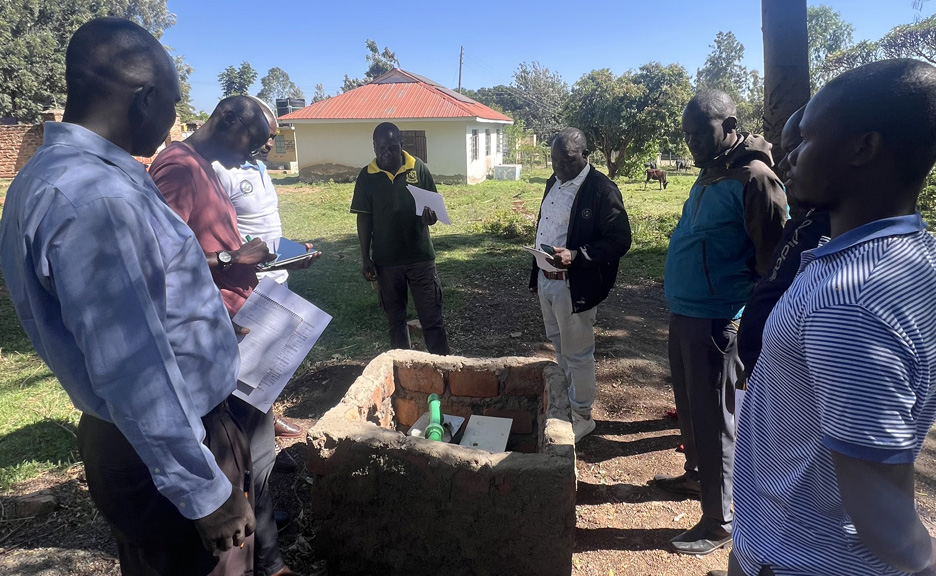
Key areas covered during the training included governance, financial management, operation and maintenance, regulatory compliance and community engagement. Participants also undertook practical exercises and reviewed the newly constructed water infrastructure to gain a better understanding of its operation and management requirements.
The training emphasised that the sustainability of a water project depends not only on the quality of infrastructure but also on the capacity of the people responsible for its day-to-day management. By strengthening the skills of the Water User Committee, the partners aim to promote accountability, responsible financial management and timely maintenance of the system.
The Nyabondo water project is expected to have an impact beyond household water access. At the mission hospital, reliable water supplies are important for healthcare services, hygiene and sanitation. Schools and other learning institutions will also benefit from improved access to water, supporting cleanliness and the wellbeing of learners and staff.
Special-needs schools are among the beneficiaries of the system, making dependable water access particularly important for maintaining appropriate hygiene and sanitation facilities. Religious institutions and surrounding community members will also benefit from improved availability of water for their daily activities.
One of the major outcomes of the capacity-building exercise was the development of a practical action plan to guide the committee in managing the water system. The plan covers governance, financial sustainability, water quality monitoring, asset management, community outreach and potential future expansion of services.
The committee also committed to monitoring key performance indicators as part of efforts to strengthen accountability and ensure that the system continues to deliver reliable services. Regular monitoring is expected to help the committee identify emerging challenges and take appropriate action before they affect service delivery.
The initiative highlights the importance of combining investment in water infrastructure with local capacity building. While construction provides the physical foundation for improved water access, effective governance, maintenance and community participation are essential to ensuring that such investments remain functional and beneficial over time.
WEFTA expressed appreciation to SAWASHI, the County Government of Kisumu, the leadership of St. Joseph Nyabondo Catholic Parish and members of the Water User Committee for their contribution to the initiative.
With the new management structures and action plan in place, stakeholders expect the Nyabondo water system to provide sustainable benefits to institutions and communities while supporting better health, education, sanitation and overall quality of life.