
Water sector eyes better utility performance
Water service providers across Kenya are being urged to improve their operational performance, embrace technology and work more closely with sector institutions as efforts continue to expand access to reliable water and sanitation services.
The emphasis comes as water utilities face growing demands to deliver efficient and sustainable services while responding to regulatory requirements, governance concerns and the need for improved access to safely managed water and sanitation. Sector leaders say coordinated action among utilities, regulators, county governments and other stakeholders will be essential in addressing these challenges.
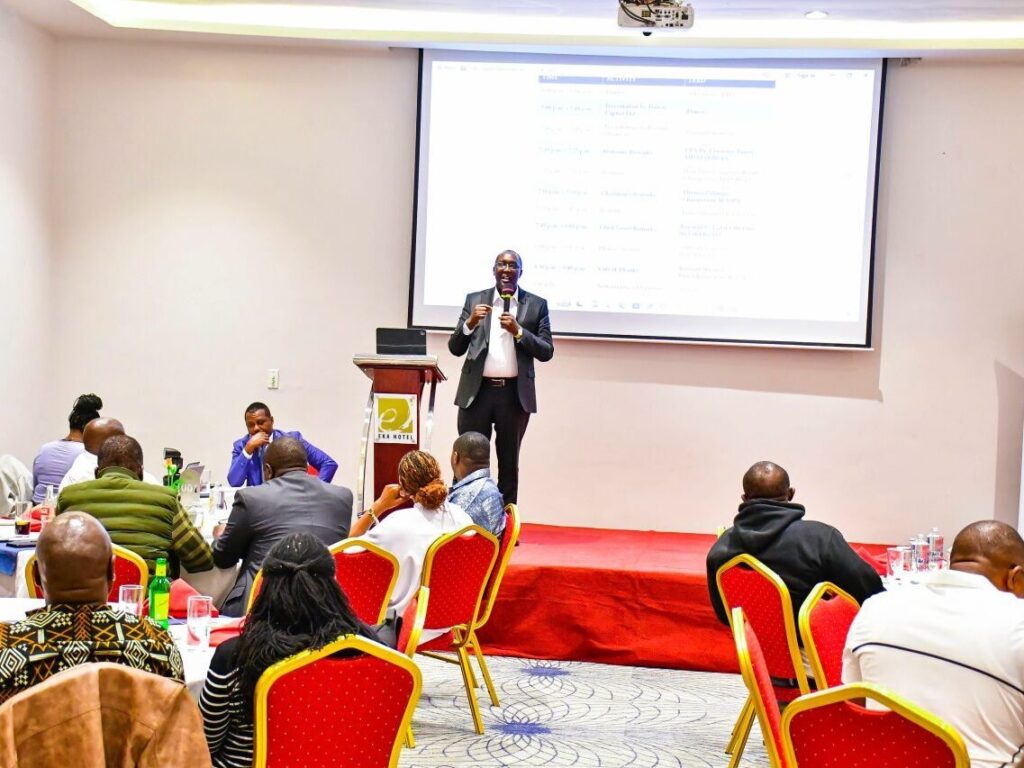
These issues took centre stage during the Chairman’s Dinner held in Eldoret, where Managing Directors of Water Service Providers (WSPs), associate members and other sector stakeholders met to exchange views on the future of the industry.
The event was organised by the Water and Sanitation Providers Association (WASPA) in partnership with the Water Services Regulatory Board (WASREB) and Eldoret Water and Sanitation Company. It provided a platform for water sector leaders to reflect on utility performance, governance, innovation and opportunities for stronger partnerships.
WASREB Chief Executive Officer and Chief Guest Leparan C. Tialal outlined five priority areas that he said should guide efforts to build more sustainable water and sanitation services.
Among the priorities is improved regulatory compliance while maintaining an environment that supports water utilities to grow and improve their performance. Compliance, according to the sector leadership, remains important in ensuring that service providers operate within established standards while responding effectively to consumer needs.
The expansion of safely managed water and sanitation services was also identified as a major priority. Stakeholders are expected to continue working towards closing service gaps and ensuring that more communities have access to dependable and properly managed water and sanitation facilities.
Governance and accountability also featured prominently in the discussions. Tialal called for greater professionalism within utilities, noting the importance of sound management structures and accountability in improving institutional performance and service delivery.
The sector was further challenged to accelerate innovation and digital transformation. Adoption of modern technologies and digital systems can support utilities in improving operational efficiency, managing information and making better-informed decisions.
Collaboration was identified as another critical area. Tialal urged institutions across the water sector to work together more closely in addressing common challenges and developing solutions that can benefit water consumers.
The call for cooperation extended to water resources management. Acting Water Resources Authority (WRA) Chief Executive Officer CPA James Mburu emphasised the importance of stronger coordination between institutions responsible for managing water resources and those providing water services.
He noted that effective water service delivery depends on the sustainable management and protection of the resources that supply communities and utilities. Collaboration can therefore help link water resources management with the needs of water service providers and consumers.
Uasin Gishu County officials also reaffirmed their commitment to supporting the sector. County Executive Committee Member Anthony Sitienei and Chief Officer Elijah Koech said the county government remains committed to working with stakeholders to improve water and sanitation services for residents.
The Eldoret gathering brought together representatives from water utilities, government institutions and private-sector companies, highlighting the interconnected nature of Kenya’s water and sanitation sector. Participants included water service providers from different counties alongside organisations offering technical, financial and infrastructure-related solutions.
The engagement also created an opportunity for utilities to exchange experiences and identify practical areas for cooperation. Regular dialogue among sector players can help utilities learn from one another while developing approaches to common operational and institutional challenges.
As Kenya continues to pursue wider access to reliable water and sanitation services, sector leaders are placing greater emphasis on efficient utility management, responsible governance, technological innovation and sustainable water resources management.
The discussions in Eldoret therefore underscored the need for continued cooperation across the sector, with stakeholders expected to translate the identified priorities into practical measures that improve utility performance and service delivery to communities.