The Dutch water-sector organisation VEI is strengthening its team in Kenya as it expands activities under the WaterWorX programme, with a focus on improving the operational capacity, financial sustainability and service delivery of local water utilities.
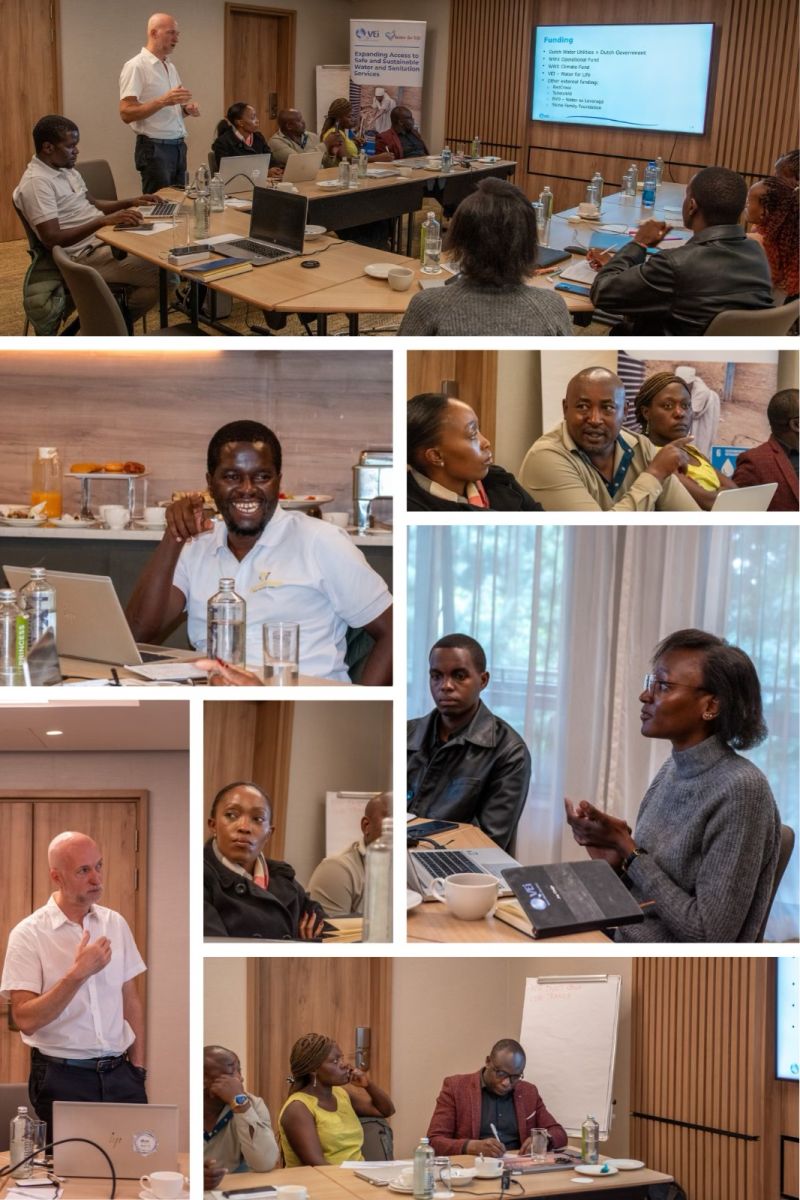
The organisation recently held a team-building and training programme in partnership with Konastones Nakuru, bringing together members of its Kenyan team to prepare for additional activities and programmes planned in the coming years.
The training focused on teamwork, communication, human resource management and organisational strategy, as VEI seeks to strengthen internal coordination and prepare its workforce for an expanded role in supporting water service providers.
The development comes at a time when Kenyan water utilities are under increasing pressure to reduce water losses, improve revenue collection, expand infrastructure and provide more reliable services to consumers.
Through WaterWorX, VEI works with four Kenyan water companies: Nakuru Water and Sanitation Services Company (NAWASSCO), Nakuru Rural Water and Sanitation Company (NARUWASCO), Naivasha Water, Sewerage and Sanitation Company (NAIVAWASSCO) and Kisumu Water and Sanitation Company (KIWASCO).
The partnership operates in Nakuru and Kisumu counties and is part of an international initiative supported by the Netherlands Ministry of Foreign Affairs and Dutch water companies. Its broader objective is to strengthen water utilities so they can deliver sustainable drinking-water and sanitation services while attracting and managing investments.
The second phase of WaterWorX, covering 2022 to 2026, has placed emphasis on expanding water connections, improving sanitation and faecal sludge management, reducing non-revenue water and strengthening financial and investment planning.
The programme also aims to support climate-resilient infrastructure investments that could improve water and sanitation services for approximately 700,000 people through its partnerships.
One of the major challenges facing Kenyan water utilities is non-revenue water, which represents treated water that is lost before reaching consumers or fails to generate income because of commercial inefficiencies such as inaccurate meters, illegal connections and billing weaknesses.
The scale of the problem is reflected in the Water Services Regulatory Board’s (WASREB) sector performance report for the 2024/2025 financial year, which puts national non-revenue water at 48 per cent.
The report indicates that the country lost approximately KSh14.9 billion through non-revenue water during the reporting period, reducing the resources available to utilities for maintaining infrastructure, extending pipelines and improving services.
The financial consequences make operational efficiency an important priority for partnerships such as WaterWorX, which seek to help water companies recover more of the water they produce and strengthen their ability to finance future investments.
Previous interventions under the partnership have demonstrated the potential of targeted water-loss reduction programmes.
In Nakuru and Naivasha, VEI and its Kenyan utility partners implemented interventions across seven District Metered Areas (DMAs), covering approximately 3,100 water connections.
The initiative reduced non-revenue water by approximately 32,000 cubic metres per month within 12 months.
The interventions involved identifying leakages, replacing damaged pipelines, improving customer connections, testing water meters and addressing illegal connections.
More than 600 water meters were tested, while over 175 faulty meters were replaced. The project also involved mapping 1,820 consumer connections and repositioning 365 incorrectly installed meters to improve measurement accuracy.
The results demonstrated how improving distribution networks and commercial operations could increase the amount of water available to consumers while strengthening utility revenues.
Beyond reducing water losses, the partnership is also addressing the need for stronger institutional capacity within water companies.
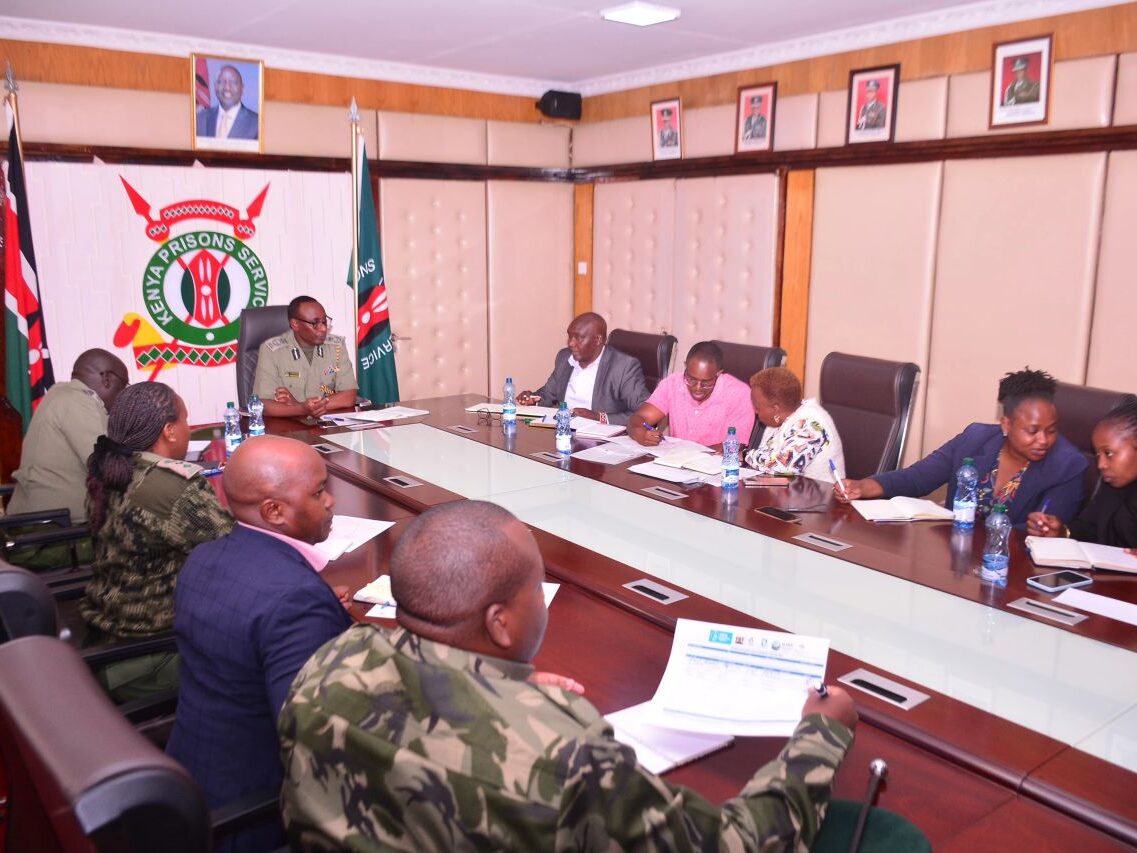
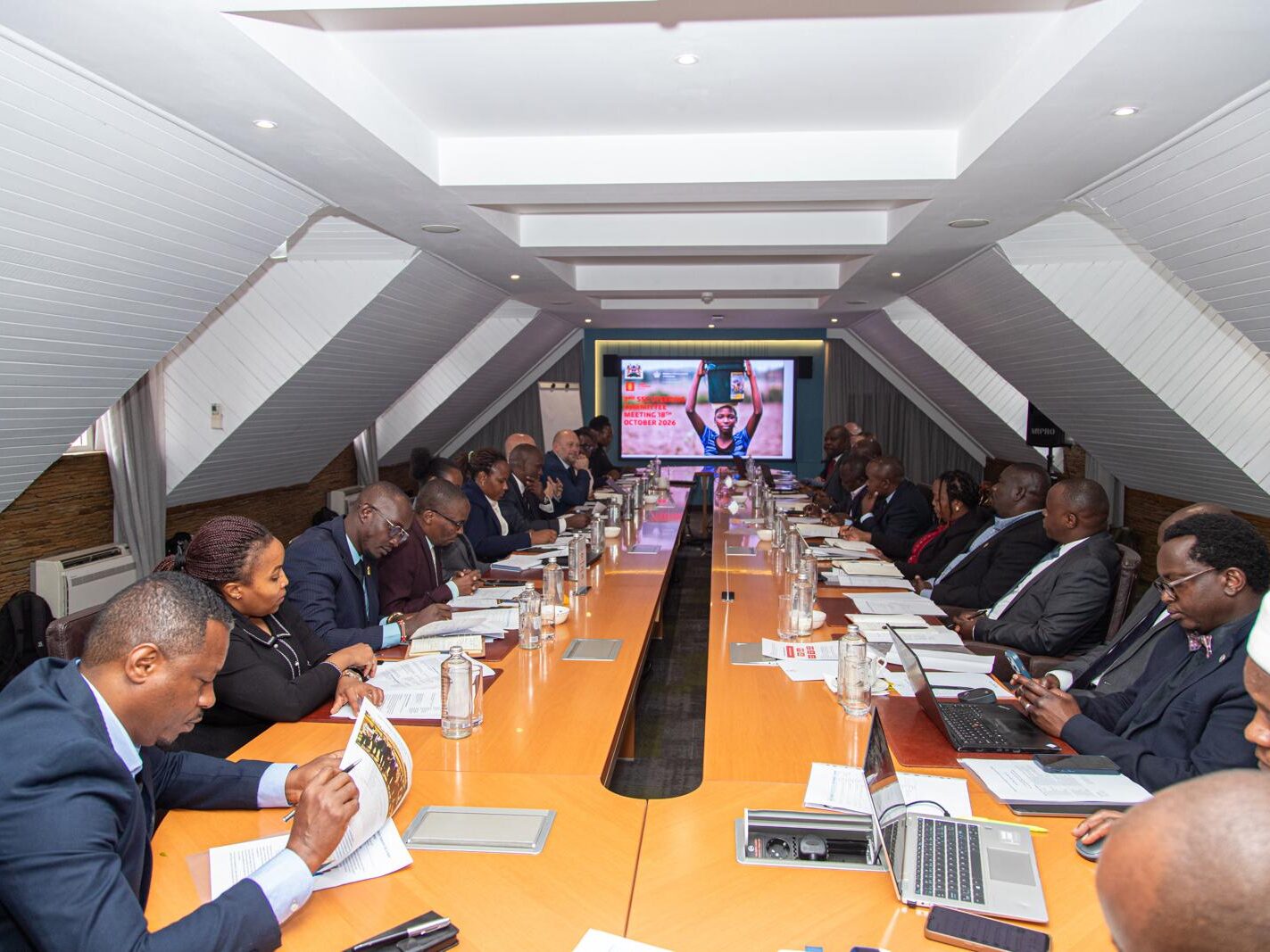
In October 2026, VEI, through WaterWorX and in collaboration with Dunea, brought together several Kenyan water utilities in Naivasha for a three-day workshop on operational efficiency and improved service delivery.
The discussions covered non-revenue water management, asset management, digitalisation, water safety, climate resilience and the use of technology in utility operations.
Participating companies included NAIVAWASSCO, NAWASSCO, NARUWASCO, Kisumu Water and Sanitation Company, Kericho Water and Sanitation Company and Nanyuki Water and Sewerage Company, among others.
The partnership’s activities also extend to improving sanitation management, an important component of Kenya’s water-sector development.
In Nakuru County, earlier cooperation between VEI and local water companies included initiatives aimed at improving wastewater management, faecal sludge management and services for low-income communities.
These interventions are important because expanding water connections without corresponding investment in sanitation infrastructure can increase pressure on existing waste-management systems.
As Kenyan towns continue to grow, water companies must increasingly balance the expansion of drinking-water services with the development of wastewater collection, treatment and disposal facilities.
The recent team-building exercise involving Joy Chege, Kelvin Macharia, Rachel Syokau, Ian Nthiga, Phanice Wanyonyi, Evans Obura, Lawrence Kimaru and Bernard Mbatia therefore comes as VEI prepares its local workforce for additional responsibilities.
The organisation’s ability to strengthen its team and coordinate its programmes will be important as the current WaterWorX phase approaches its 2026 conclusion and utilities continue pursuing improvements in operational performance.
For Kenya, the wider significance of these partnerships lies in their potential to help water companies reduce losses, improve financial management and make better use of existing infrastructure rather than relying exclusively on new water projects to meet growing demand.
Ultimately, the success of the interventions will be measured by whether utilities can translate technical support and institutional improvements into more reliable water supplies, better sanitation services and expanded access for households.