Residents of Igembe North Constituency in Meru County are set to benefit from six new boreholes under a national government initiative aimed at addressing persistent water shortages and improving access to reliable water supplies.
The proposed projects will be implemented at Mariri Primary School, K.K. Baithai Primary School, K.K. Kiula Primary School, Kathanga Primary School, Linjoka Secondary School and Nairuru Primary School.
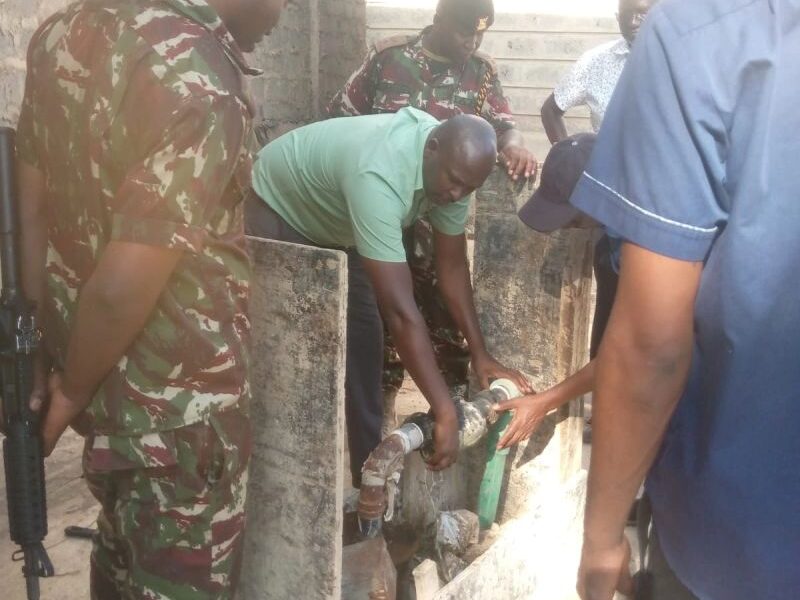
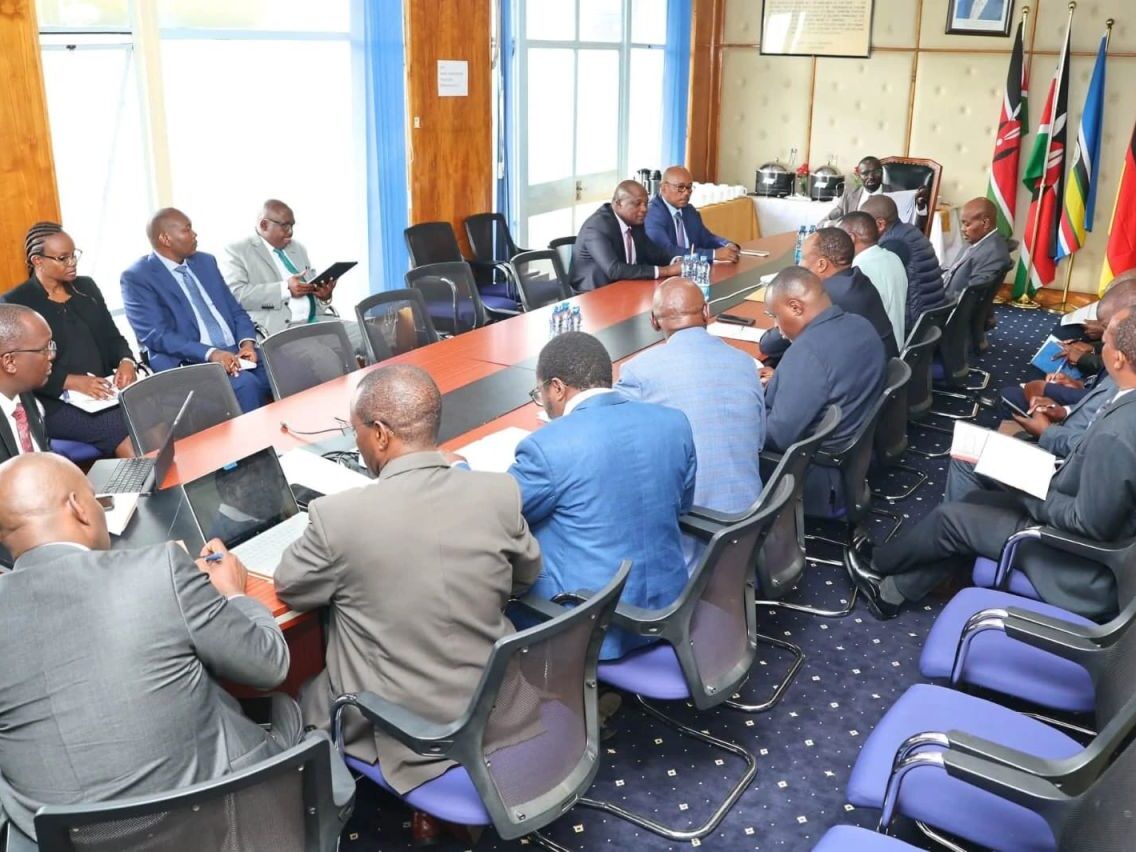
The plans were announced during a public participation forum at St Matthew’s Primary School in Mariri, Ntunene Ward, attended by Cabinet Secretary for Water, Sanitation and Irrigation Eng. Eric Mugaa and Igembe North MP Julius Taitumu.
The initiative will also include the installation of a 20,000-litre storage tank and solar-powered pumping equipment at Mariri Secondary School. The infrastructure is expected to support water distribution to neighbouring areas, including Kinisa, Kamuu and Nthuliune.
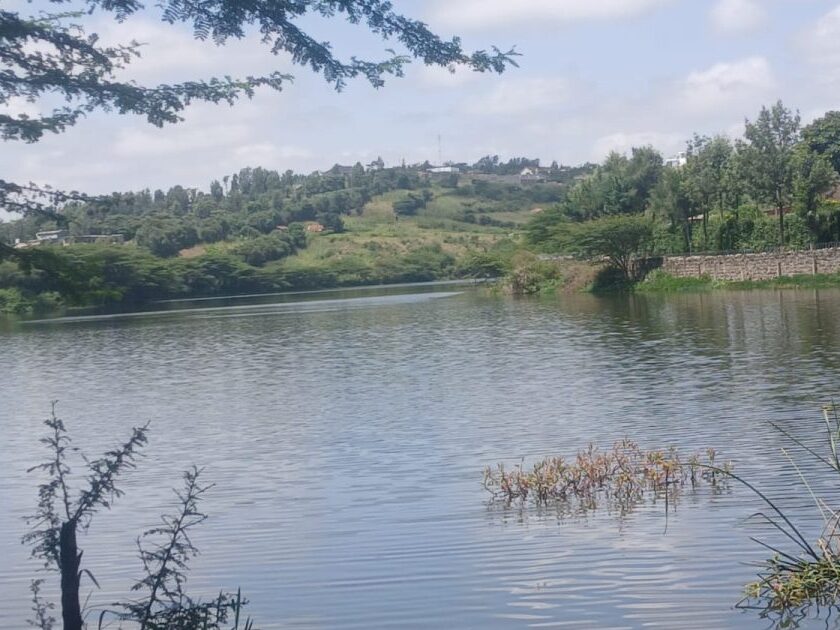
The announcement comes as households in Igembe North continue to grapple with limited access to reliable water sources. The constituency has historically faced water supply challenges because it lacks a permanent river flowing through the area, increasing dependence on groundwater and other alternative sources.
Previous assessments of water access in Meru North have highlighted the difficulties residents face, including dependence on water vendors and non-functional boreholes. Some groundwater sources have also been reported to contain high levels of salinity, making the water unsuitable for human consumption.
The new projects will build on an earlier intervention at Mwerongundu Primary School, where a borehole was drilled during the 2026 World Water Day celebrations.
Speaking during the public participation meeting, Mugaa said the government had prioritised Igembe North following consultations with Taitumu, who had raised concerns about the constituency’s inadequate water infrastructure.
The Cabinet Secretary said the absence of permanent rivers had made it difficult for communities to access reliable water, requiring investment in alternative sources such as boreholes.
The planned facilities are expected to serve both educational institutions and surrounding communities, reducing the distance residents travel to obtain water. Schools will also benefit from improved access to water for drinking, cleaning and sanitation.
Taitumu said the projects would particularly benefit women and girls, who often shoulder the responsibility of collecting water for household use. He noted that the time spent searching for water affects household activities and limits opportunities for education and other productive activities.
However, the success of the initiative will depend on more than drilling the boreholes. The government will also need to ensure that groundwater is suitable for consumption, particularly given previous reports of saline water in parts of the constituency. Reliable pumping systems, adequate storage and distribution infrastructure will also be important in ensuring that the new sources reach the intended communities.
The six proposed boreholes represent an expansion of government interventions in Igembe North, where inadequate water infrastructure has remained a longstanding development challenge.
Their implementation could reduce dependence on expensive water vendors, improve sanitation in schools and households, and provide communities with more reliable sources for their daily needs.