Kenya and Egypt are stepping up cooperation on water infrastructure development, with proposed dams, groundwater projects, modern irrigation systems and river-basin rehabilitation emerging as key areas of collaboration between the two countries.
The partnership is expected to support Kenya’s efforts to improve water security, expand agricultural production and strengthen access to safe drinking water, particularly in areas facing persistent water shortages.
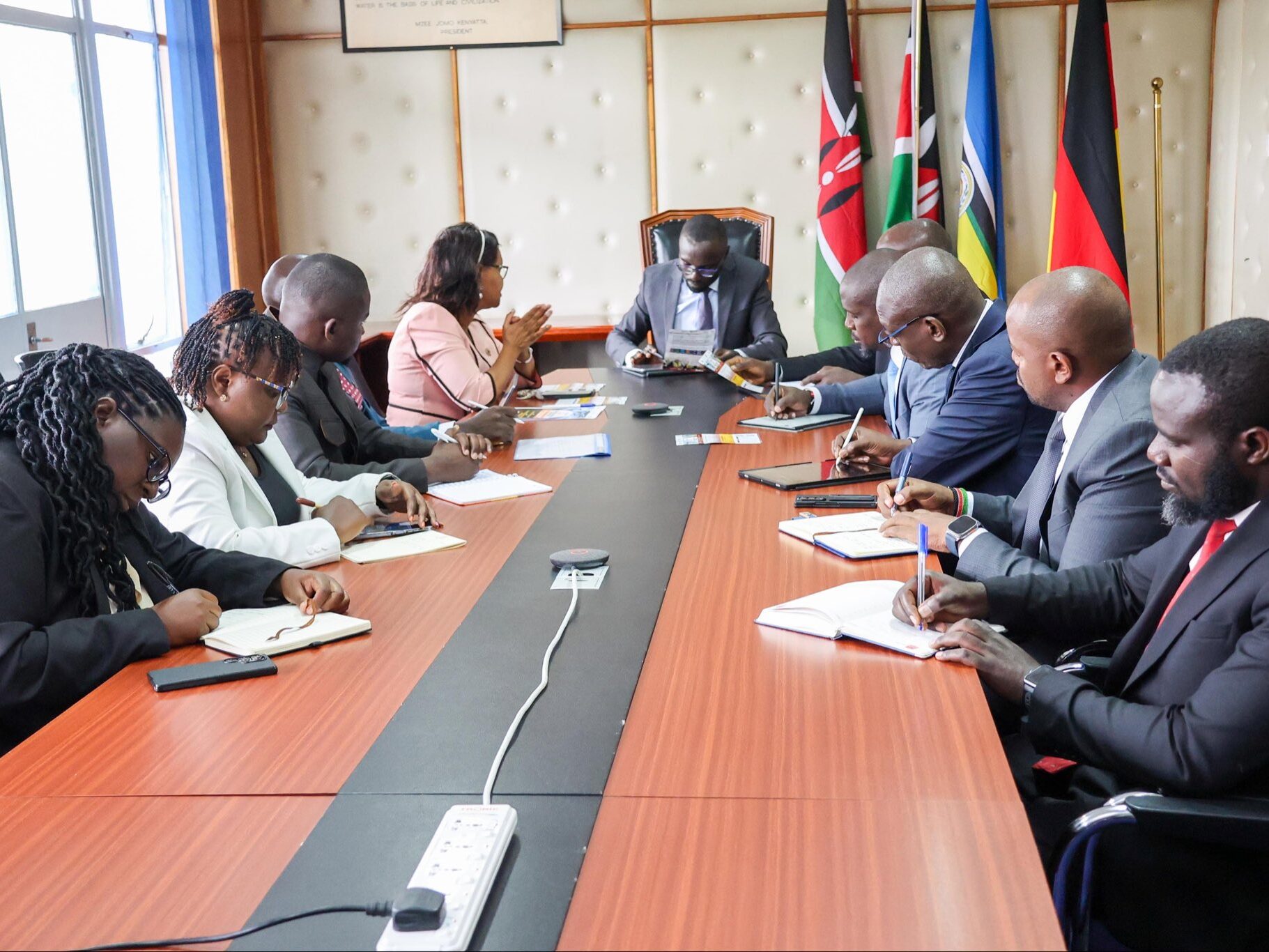
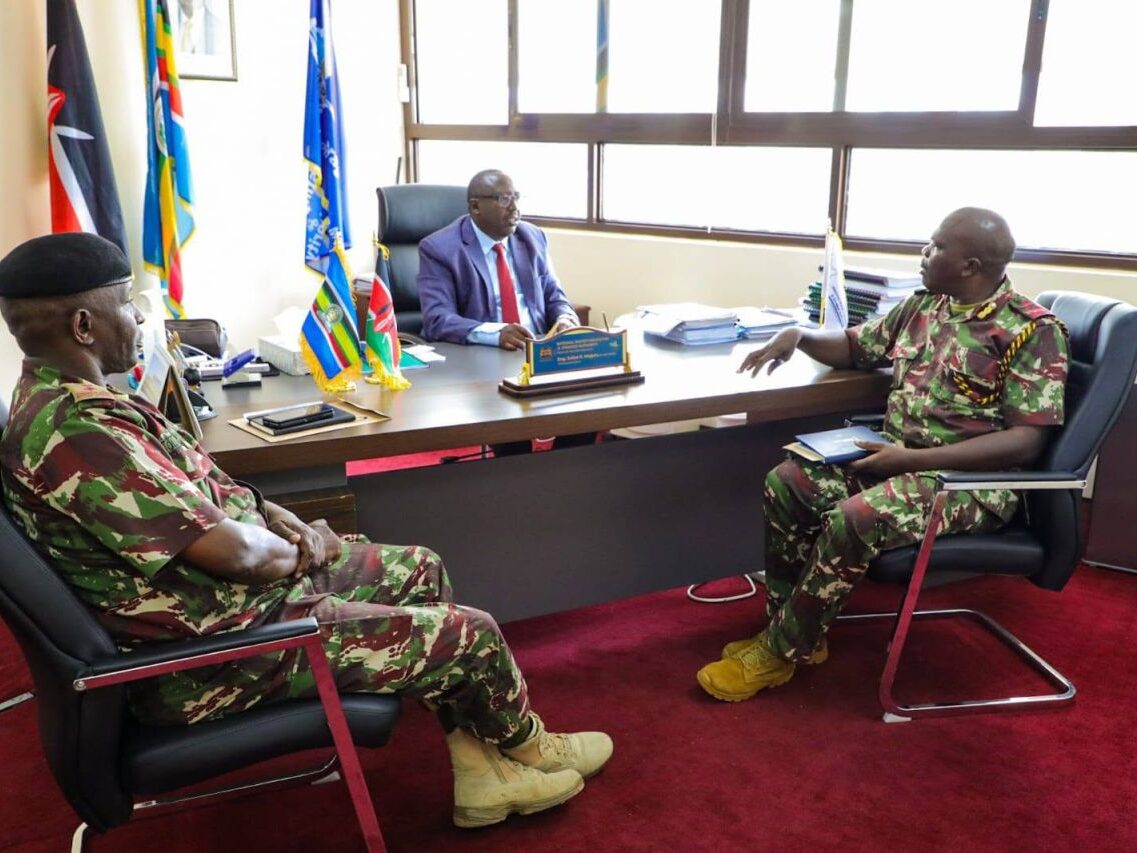
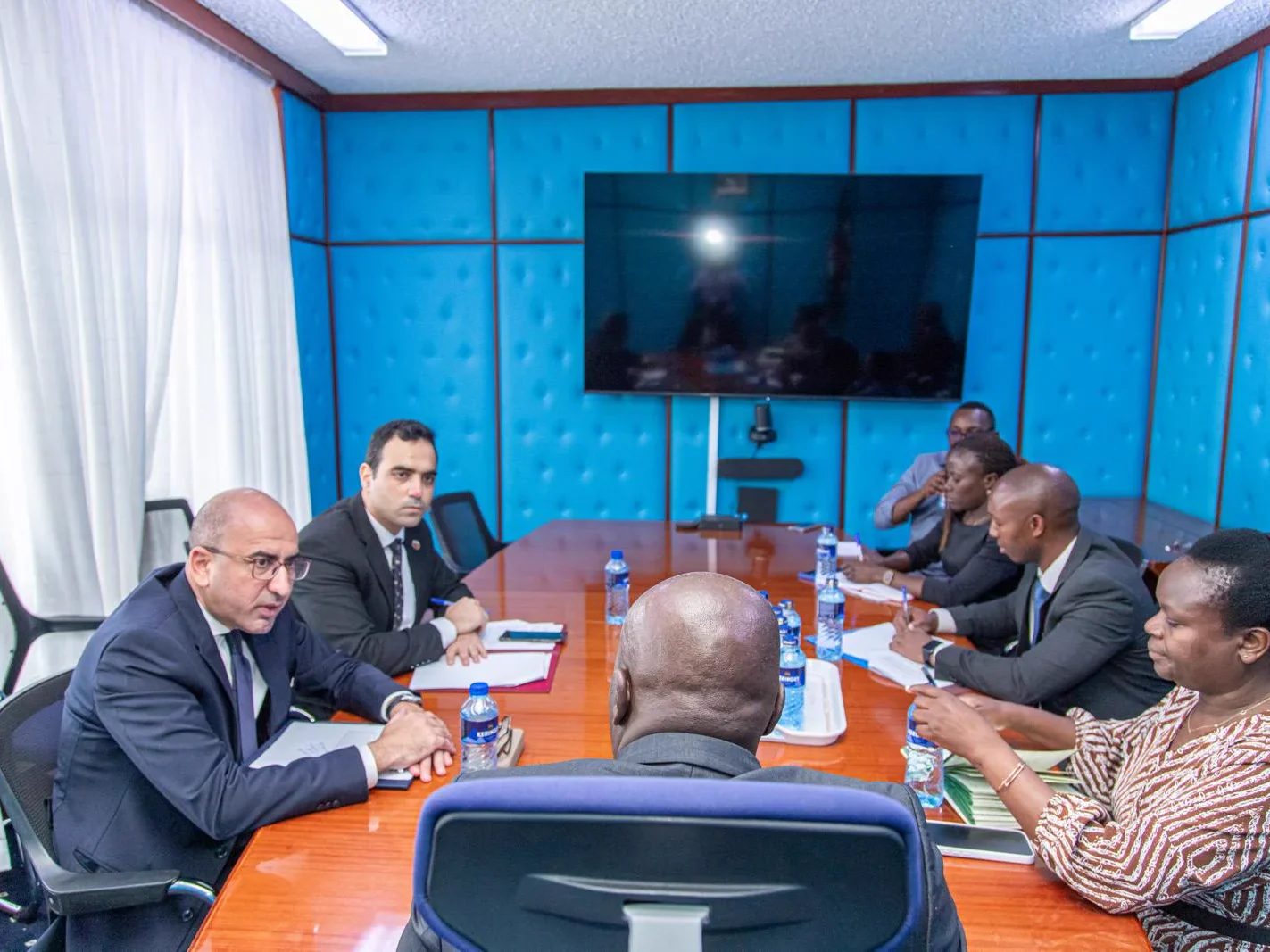
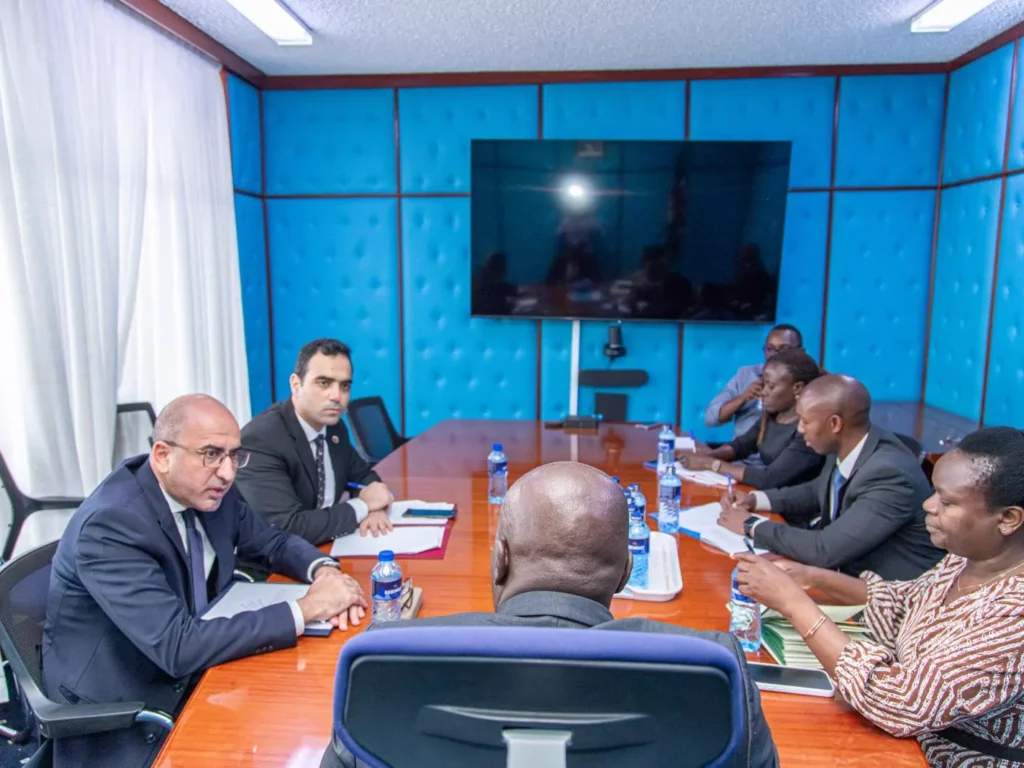
The latest discussions were held during a meeting between Principal Secretary for Water and Sanitation Julius Korir and Egypt’s Ambassador to Kenya, H.E. Hatem Yousri Hosni, who paid a courtesy call at the PS’s office.
The meeting explored opportunities for technical cooperation, infrastructure development and capacity building, building on previous engagements between the two governments to translate their diplomatic relations into practical water-sector projects.
The discussions follow a series of bilateral engagements that have identified several infrastructure proposals for possible implementation in Kenya.
In February 2026, Egyptian Minister of Water Resources and Irrigation Hani Sewilam visited Nairobi and held talks with Kenya’s then Cabinet Secretary for Water, Sanitation and Irrigation Eric Mugaa on advancing cooperation in water resources management, irrigation and sanitation.
During the meeting, the two governments discussed three proposed dam projects: the multipurpose Koru Dam, Kaimosi Dam and Wandeti Dam.
Koru Dam was identified as a major proposed development intended to strengthen water availability and support wider development needs. The two sides also agreed to continue technical consultations on the proposed Kaimosi and Wandeti dams.
The discussions further covered groundwater development, rainwater harvesting infrastructure, modern irrigation systems and rehabilitation of priority river catchments, including the Sio-Malaba-Malakisi Basin.
Egypt indicated its willingness to support these initiatives through technical cooperation and a regional financing mechanism established to promote development projects in Nile Basin countries.
A major development in the partnership is Egypt’s launch of a regional financing mechanism with an initial contribution of US$100 million to support water and development infrastructure across Nile Basin countries. Kenya has been identified as a priority beneficiary, particularly for dam construction, irrigation expansion and borehole development in arid and semi-arid regions.
The proposed financing mechanism could provide an additional avenue for Kenya to mobilise resources for water infrastructure, although individual project allocations and financing arrangements have yet to be confirmed.
The cooperation builds on a history of Egyptian support for Kenya’s water development programmes. Between 2003 and 2009, Egypt funded the drilling of 180 groundwater wells in Kenya, targeting arid areas where communities face difficulties accessing reliable water supplies.
In August 2016, the two countries also signed a memorandum of understanding on water resources development and management. The agreement covered rainwater harvesting dams, groundwater wells, modern irrigation systems and training for Kenyan technical personnel.
The proposed collaboration also extends to institutional capacity building. Egypt has offered opportunities for Kenyan water professionals to benefit from specialised training through its African Water and Climate Adaptation Training Centre, which provides programmes covering water resources management, flood forecasting, early warning systems and modern irrigation technologies.
For Kenya, the partnership offers an opportunity to diversify its sources of technical expertise and financing as it seeks to address a growing infrastructure deficit in the water sector.
The country continues to face challenges associated with uneven water distribution, recurrent droughts, rising demand and limited access to reliable water supplies in rural and urban settlements.
The renewed engagement between Korir and the Egyptian Ambassador therefore comes at a time when both governments are seeking to move their strategic partnership towards practical development outcomes.
However, the proposed dams and other infrastructure initiatives remain subject to further technical consultations, project preparation and financing arrangements. The latest meeting did not announce new contracts or implementation timelines.
The success of the partnership will ultimately depend on how quickly the two countries translate their commitments into funded projects capable of improving water access, irrigation and sanitation services.