Tana and Athi Rivers Development Authority (TARDA) Managing Director Liban Roba Duba has called for stronger public-private partnerships in financing water infrastructure, saying investments in dams and irrigation projects must translate into reliable water supplies for farmers, improved agricultural productivity and better livelihoods.
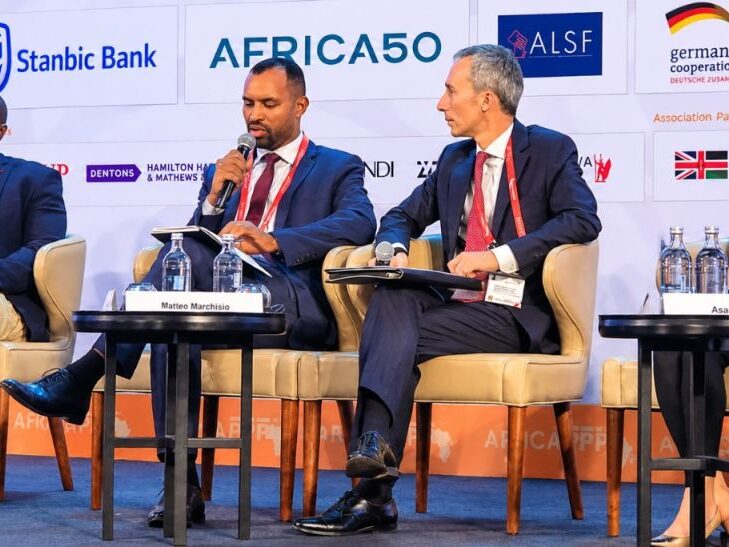
Duba made the remarks during the 16th Africa PPP Infrastructure Finance, Investment and Partnerships Summit 2026 held in Nairobi, where he participated in a panel discussion on financing water security and agricultural infrastructure.
Speaking during Session 8, themed Water Security and Food Systems: Financing Bankable Water and Agri-Infrastructure, Duba said the success of water infrastructure should be measured not simply by the construction of physical assets but by the economic opportunities and lasting benefits they create for communities.
He emphasised that building a dam does not automatically translate into agricultural development unless water is delivered to farmers and supported by systems that enable productive use.
He said infrastructure investments must be accompanied by appropriate financing arrangements, effective partnerships and institutional support to ensure projects deliver sustainable results.
Duba pointed to TARDA’s experience with the Tana Delta Irrigation Project as an example of how public-private partnerships can help unlock agricultural potential. He said the project highlights the importance of combining private investment with government support, appropriate risk-sharing arrangements, market access and meaningful community participation.
He noted that making irrigation projects successful requires more than constructing water storage and distribution infrastructure. Investors and implementing agencies must also address the systems that enable farmers to access water, produce competitively and connect with markets.
The TARDA Managing Director also highlighted proposed developments such as the Kibuka High Grand Falls multipurpose hydropower and irrigation project, which presents an opportunity to integrate water storage, electricity generation and agricultural development within a coordinated investment framework.
The proposed project reflects the potential of multipurpose infrastructure to support different economic sectors while strengthening the productive use of water resources.
However, Duba observed that unlocking such investments requires careful project preparation, clear water-allocation arrangements, credible revenue models and collaboration among government agencies, private investors and local communities.
He further stressed that financial viability and public value must go hand in hand, noting that infrastructure projects should attract investment while ensuring their benefits reach farmers, businesses and communities.
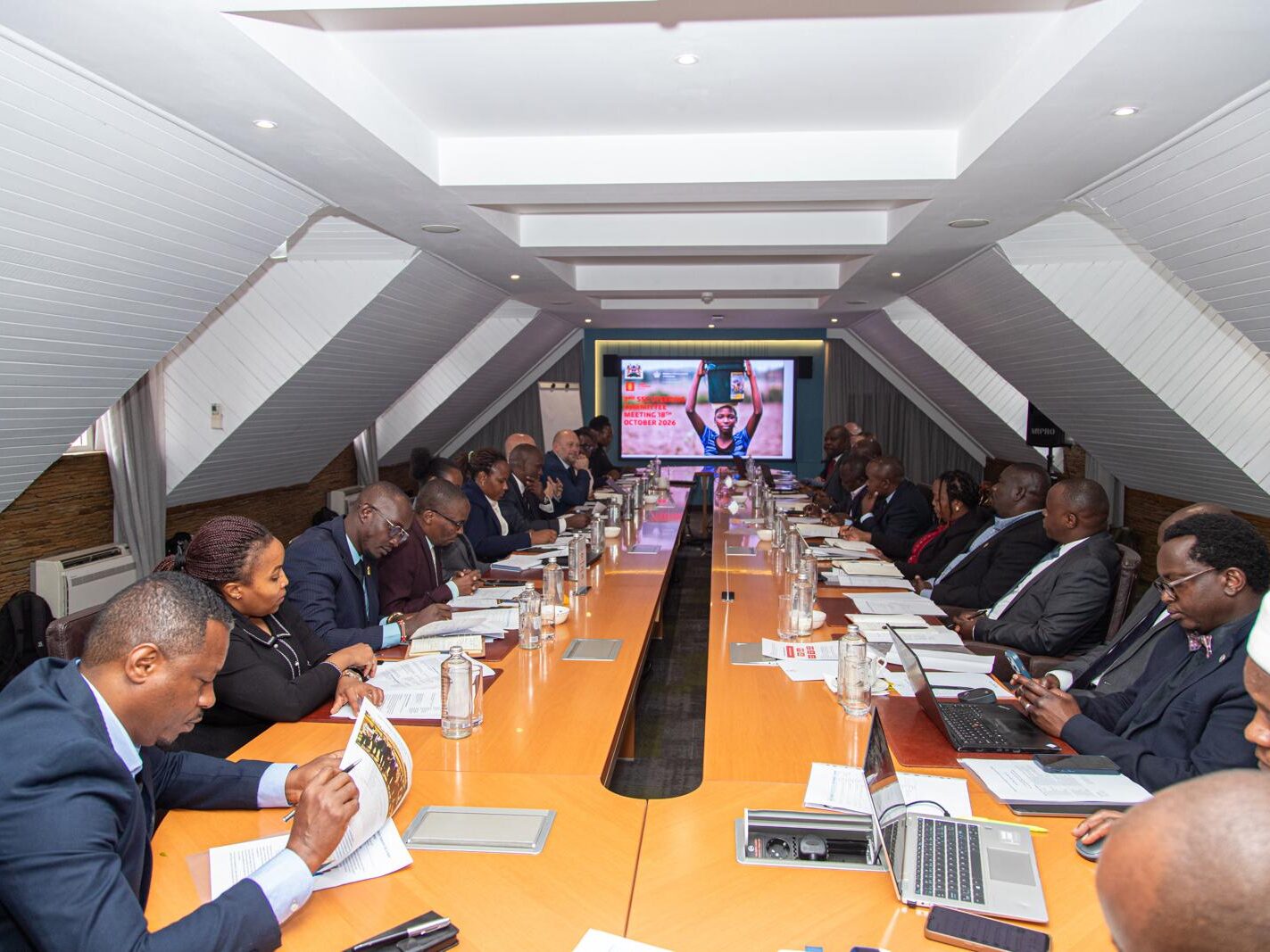
The summit brought together government representatives, investors, development institutions and infrastructure practitioners to explore financing models and partnerships for major infrastructure projects across Africa.
Other participants in the session included Eng. Vincent Kabuti of Kenya’s State Department for Irrigation, Matteo Marchisio of the International Fund for Agricultural Development (IFAD), Kaashifa Aziz of the City of Cape Town in South Africa and Isaac Kahara of UK Export Finance. The discussion was moderated by Holliness Lumbi.
The discussions come as Kenya seeks to expand agricultural irrigation, strengthen food security and mobilise additional financing for water infrastructure amid growing demand for reliable water supplies.
Public-private partnerships offer an avenue for bringing together government resources, private capital and technical expertise to support infrastructure development. Their effectiveness, however, depends on sound project preparation, transparent risk-sharing arrangements and clear mechanisms for delivering public benefits.
For TARDA, the priority is ensuring that investments in water infrastructure translate into productive agriculture, stronger rural livelihoods and sustainable economic growth rather than ending with the completion of physical structures.