The Kenya Water Institute (KEWI) has engaged technical experts and key stakeholders in the water sector to review and strengthen the proposed Water Resources Management Technology (WRMT) curricula, with a focus on improving practical skills and aligning training with the changing demands of the industry.
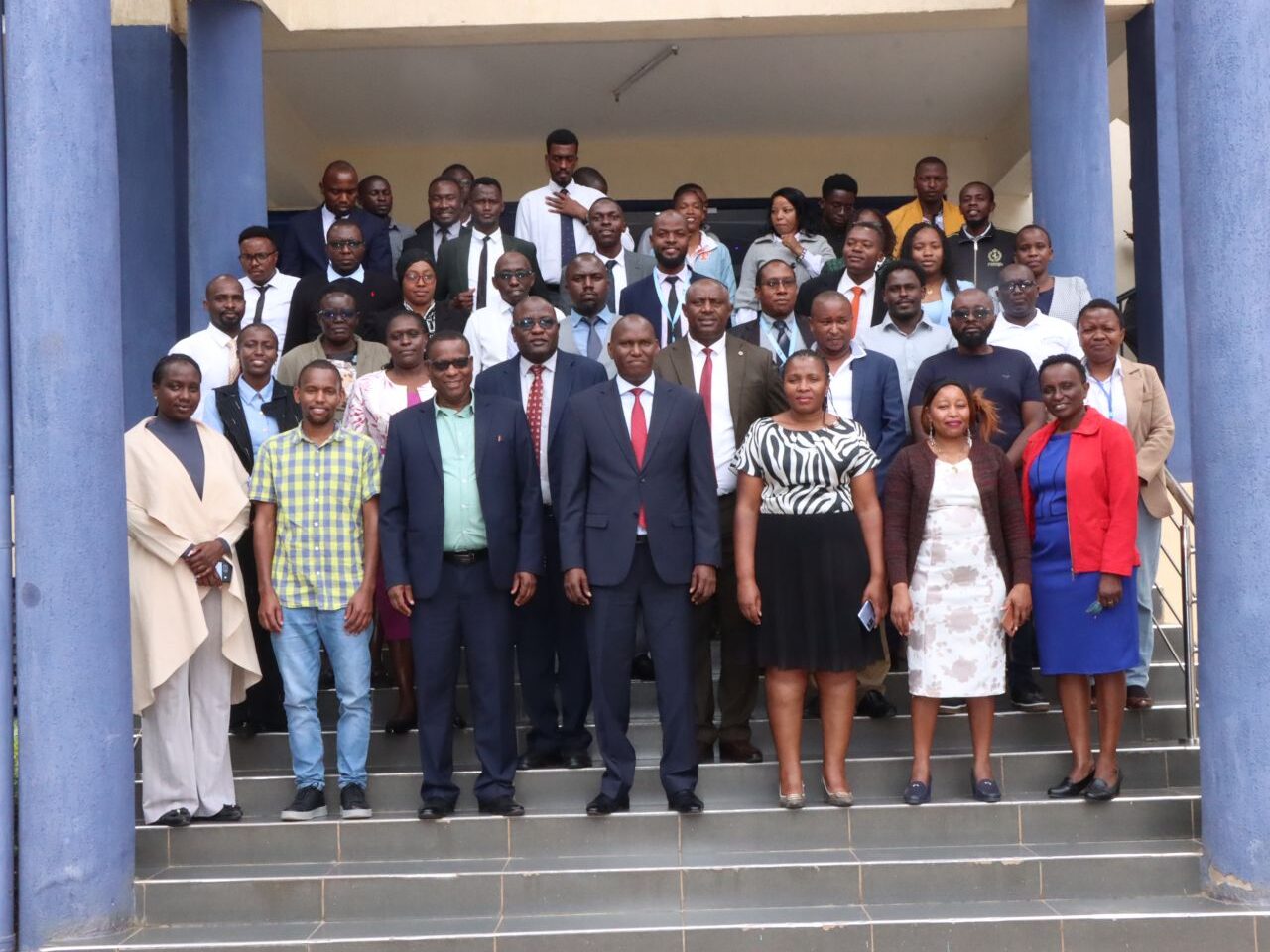
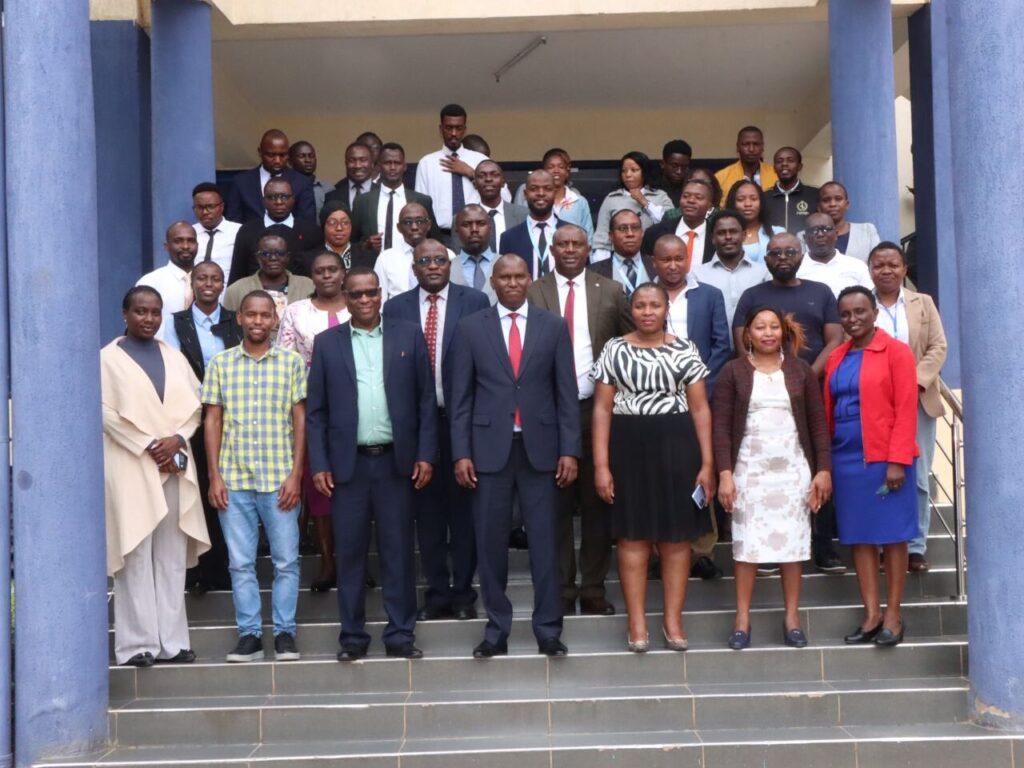
The stakeholder workshop brought together professionals and practitioners from different areas of the water sector to assess the proposed restructuring of the WRMT programmes. The review is aimed at ensuring that learners acquire relevant technical and practical competencies that reflect current workplace requirements and emerging developments in water resources management.
Under the proposed restructuring, the WRMT programme will be divided into four specialised areas. These include Hydrogeology and Groundwater Technology, Water Well Drilling and Infrastructure Technology, Hydrology Technology, and Water and Environmental Management.
The programmes are expected to be offered at Levels 4, 5 and 6 under the Competency Based Education and Training (CBET) framework. The approach places emphasis on practical competencies, allowing learners to develop skills that can be applied directly in professional and workplace settings.
During the workshop, stakeholders examined the occupational and workplace competencies required in the water sector. Discussions also focused on practical skills, industry expectations, emerging technologies and changes taking place within the sector.
Participants provided recommendations on areas that could be strengthened within the proposed curricula to make the programmes more responsive to the realities of the workplace. The consultations are expected to help bridge the gap between classroom-based learning and the technical skills required by employers and water sector institutions.
The stakeholder engagement attracted representatives from government agencies, regulatory bodies, professional organisations, industry players and other institutions involved in water resources management. Among those represented were the Ministry of Water, Sanitation and Irrigation, Water Resources Authority (WRA), Hydrologists Registration Board, Kenya Engineering Technology Registration Board (KETRB), Regional Centre on Groundwater Resources Education Training and Research (RCGW), and the Drillers Association of Kenya, among other stakeholders.
The participation of institutions from different areas of the sector provided an opportunity for technical practitioners to share their experiences and identify competencies that are increasingly important in water resources development and management.
The proposed specialised streams are expected to give trainees an opportunity to develop focused skills in areas that support the planning, development, protection and sustainable management of water resources. They will also help respond to growing technical demands associated with groundwater development, well construction, hydrological assessment and environmental management.
The curriculum review comes as Kenya’s water sector continues to experience changing technical requirements driven by new technologies, increasing demand for water resources and the need for improved environmental management. Strengthening training programmes is therefore important in preparing a workforce capable of responding to these emerging challenges.
KEWI’s continued engagement with sector stakeholders is expected to enhance the relevance and quality of its training programmes. By incorporating industry perspectives into curriculum development, the institution aims to ensure that graduates leave training with practical competencies that can support their transition into employment and professional practice.
The collaborative approach also provides an avenue for regulatory institutions, employers and training providers to contribute to the development of programmes that reflect current and future needs in Kenya’s water sector.
Through the review of the WRMT curricula, KEWI is seeking to strengthen competency-based training while ensuring that water sector professionals are equipped with the technical knowledge and practical skills required to support sustainable water resources management across the country.