








Water can look clean, have no unusual smell and taste perfectly normal, yet contain substances that pose risks to human health. This makes drinking-water contamination difficult for households to identify, particularly in communities that depend on boreholes, shallow wells, springs, water vendors and piped supplies.
In Kenya, where households obtain water from different sources depending on their location and access to infrastructure, determining whether water is safe requires more than looking at its appearance. Some contaminants can be detected through changes in colour, taste and smell, but disease-causing microorganisms and harmful chemicals may remain completely undetectable without laboratory testing.
Understanding the warning signs, possible contamination sources and available testing services can help households make better decisions about the water they consume.
One of the most noticeable signs of possible contamination is a sudden change in the appearance of water. Water that previously appeared clear but becomes brown, yellow, greenish or unusually cloudy may indicate the presence of suspended materials, dissolved substances, corrosion products or contamination entering the supply system.
Cloudiness, commonly referred to as turbidity, can result from soil particles, organic matter and other suspended materials. In some circumstances, it may indicate that water has been exposed to polluted runoff or that problems have developed within the distribution network.
However, not every change in colour automatically means water contains disease-causing organisms. Some naturally occurring minerals, including iron and manganese, can affect its appearance without necessarily indicating faecal contamination. Laboratory analysis is needed to establish the cause.
Another warning sign is an unusual smell or taste. Water that develops a rotten-egg smell, a metallic taste, a salty flavour or an earthy odour may contain substances that require further investigation.
A rotten-egg smell, for instance, can be associated with hydrogen sulphide, while metallic tastes may be linked to dissolved metals such as iron, copper and manganese. A salty taste can indicate elevated concentrations of dissolved salts.
Changes in taste and smell can originate from natural substances, biological activity, chemical pollution, corrosion of pipes or problems during treatment and distribution. A sudden change should therefore be reported and investigated rather than ignored.
However, the biggest challenge is that some of the most dangerous forms of contamination cannot be detected through sight, smell or taste.
Microbiological contamination is one of the major concerns because water can contain bacteria, viruses and parasites without showing any visible changes. These organisms can enter water sources through human and animal waste, leaking sewer lines, overflowing pit latrines and poorly protected wells.
In Kenya, this risk becomes particularly significant during heavy rainfall and flooding. Floodwater can carry sewage, waste and faecal matter into rivers, shallow wells, boreholes and other drinking-water sources.
Flooding and the destruction or overflow of sanitation facilities can introduce faecal matter into water sources, increasing the risk of cholera and other waterborne diseases.
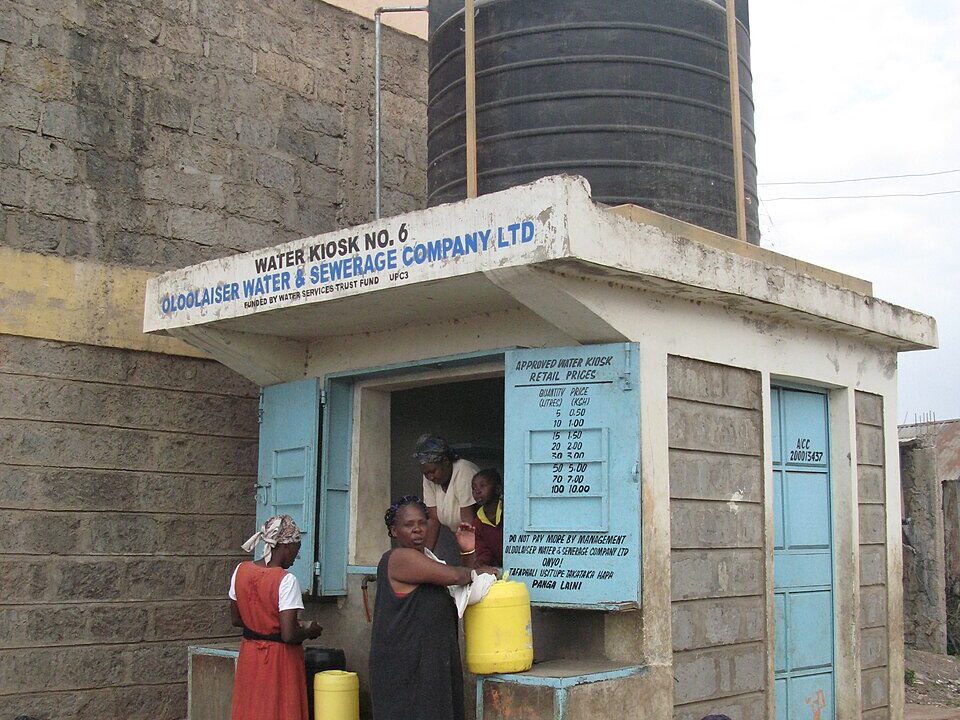
The risk is not limited to rural communities. In urban settlements, damaged water pipes running close to sewer lines, poor drainage and inadequate sanitation infrastructure can expose drinking-water supplies to contamination.
A household may therefore receive water through a piped network and still experience contamination if problems occur during distribution or within its own storage system.
Chemical contamination presents another challenge because some substances occur naturally in groundwater, while others enter water through agricultural activities, industrial discharge and poor waste disposal.
This is particularly relevant in Kenya’s Rift Valley and other regions where groundwater chemistry varies considerably. Fluoride is an important example. Some groundwater sources naturally contain elevated fluoride concentrations, which cannot reliably be identified by looking at or tasting the water.
The Kenyan drinking-water standard sets a maximum fluoride concentration of 1.5 milligrams per litre. Excessive exposure over time can affect dental and skeletal health.
Other chemical parameters that require monitoring include nitrates, arsenic, lead, iron and manganese. Nitrates may enter groundwater through agricultural fertilisers, animal waste and poorly managed sanitation facilities, while certain metals can originate from geological formations, industrial activities or plumbing materials.
Another way contamination can be suspected is through changes in people’s health after consuming water from a particular source. Repeated cases of diarrhoea, vomiting and other gastrointestinal illnesses among people using the same water supply may indicate a possible contamination problem.
Waterborne diseases such as cholera and typhoid are associated with unsafe water and poor sanitation. However, these symptoms do not automatically establish that drinking water is responsible, since illnesses can also spread through contaminated food and other routes.
Households should seek medical attention when illness occurs and notify public health officers if they suspect a shared water source is responsible.
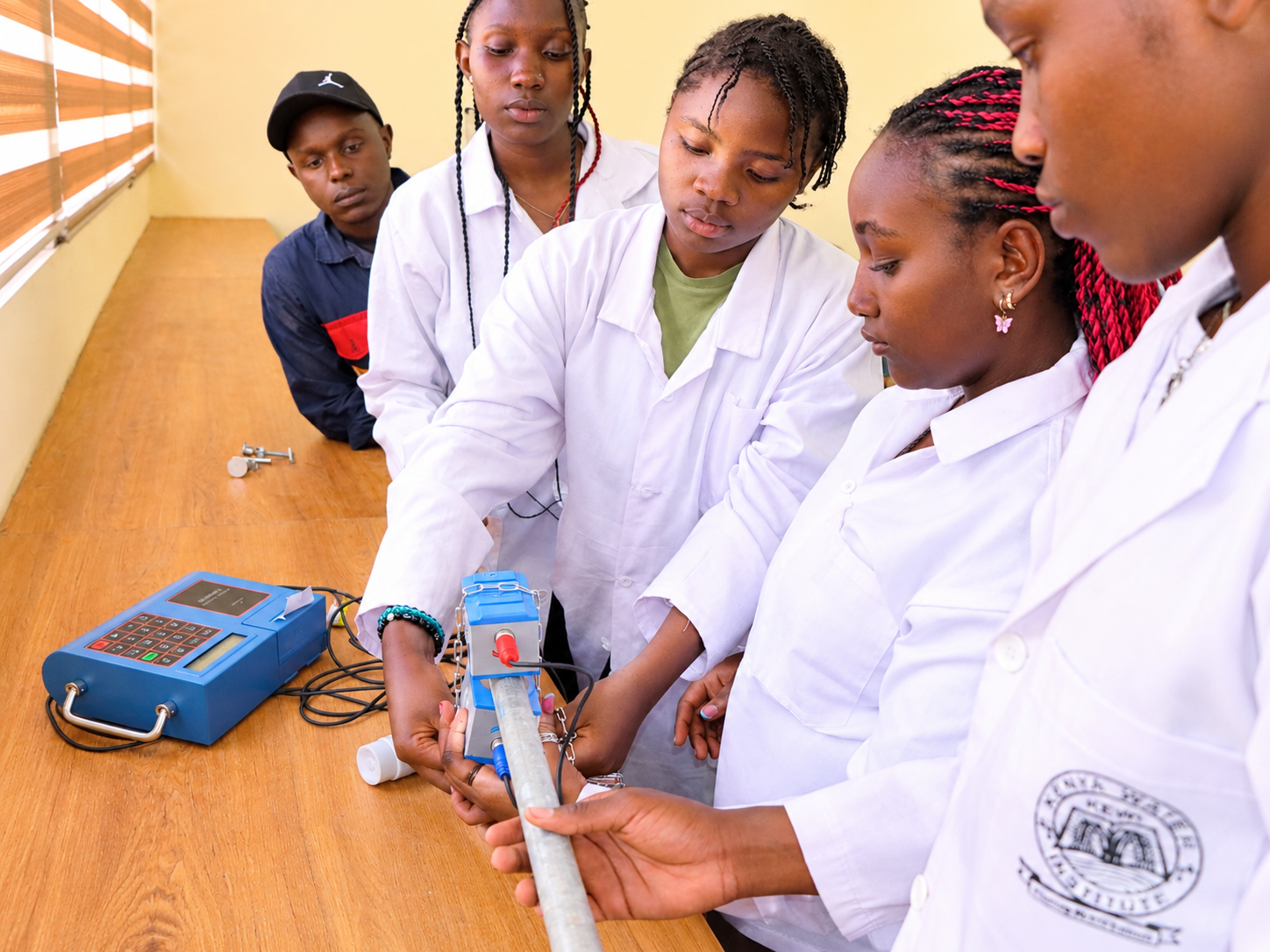
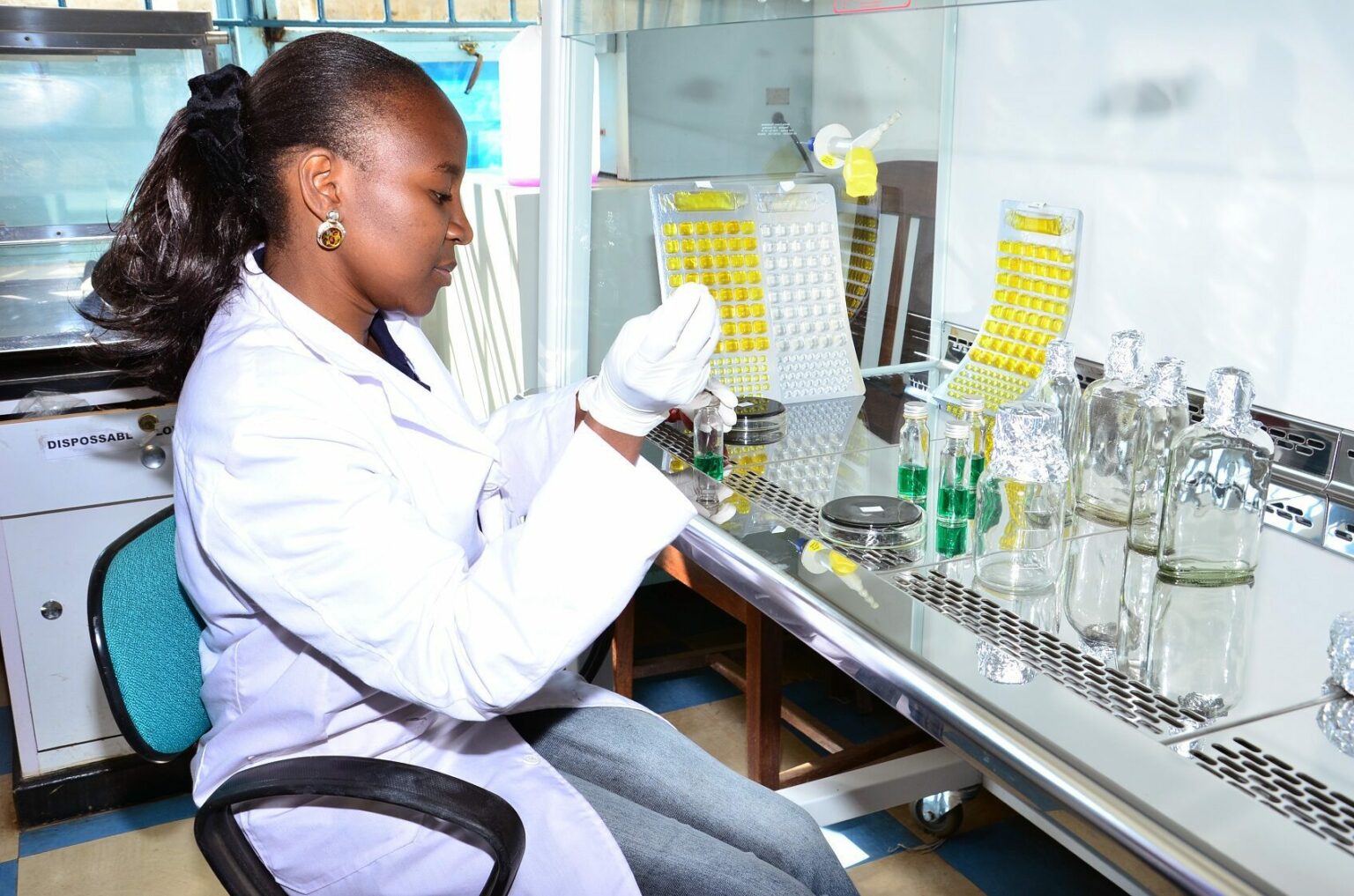
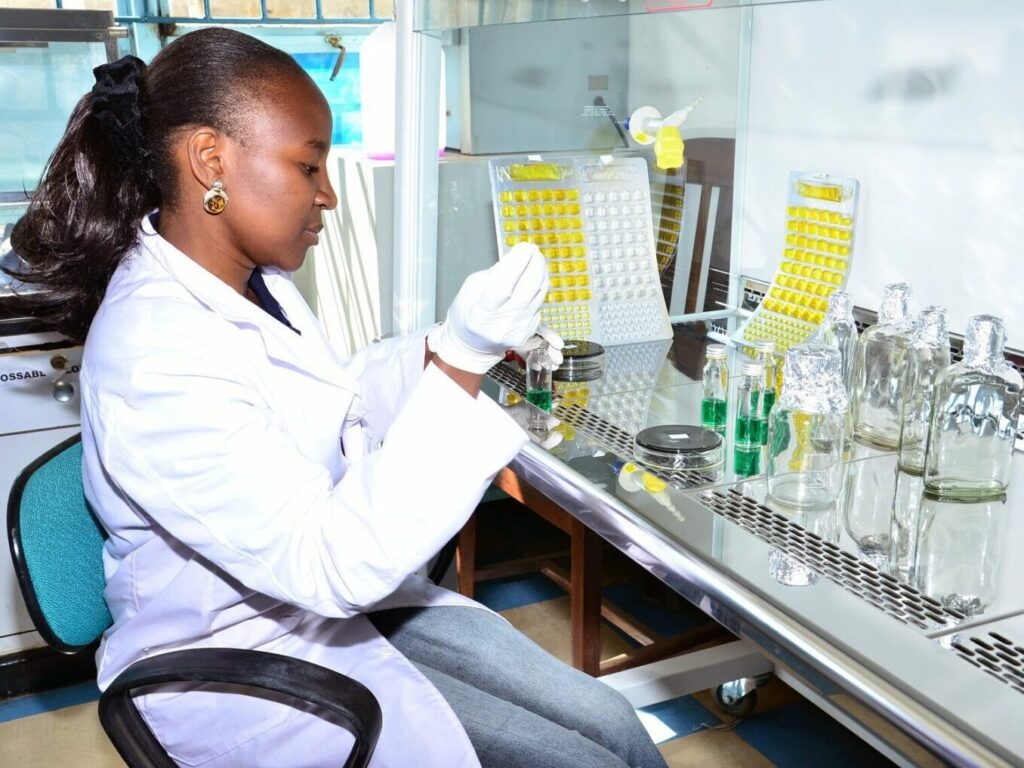
The most reliable way to establish whether drinking water is safe is through laboratory testing. This involves examining physical, chemical and microbiological characteristics to identify contaminants that cannot be detected through ordinary observation.
In Kenya, the Water Resources Authority operates water-quality laboratories that provide testing services for domestic, irrigation, industrial and other water uses.
Its laboratory services cover physical, chemical and microbiological examinations, including tests for pH, turbidity, fluoride, nitrates, heavy metals and E. coli.
The Kenya Bureau of Standards also provides water-testing services through its laboratories. The Kenyan drinking-water standard, KS EAS 12:2018, provides requirements and testing methods for potable water intended for human consumption.
Testing should be selected according to the source of water and the potential contamination risks. For instance, a household relying on a borehole may require chemical analysis for naturally occurring minerals and other substances, alongside microbiological tests for possible contamination from nearby sanitation facilities.
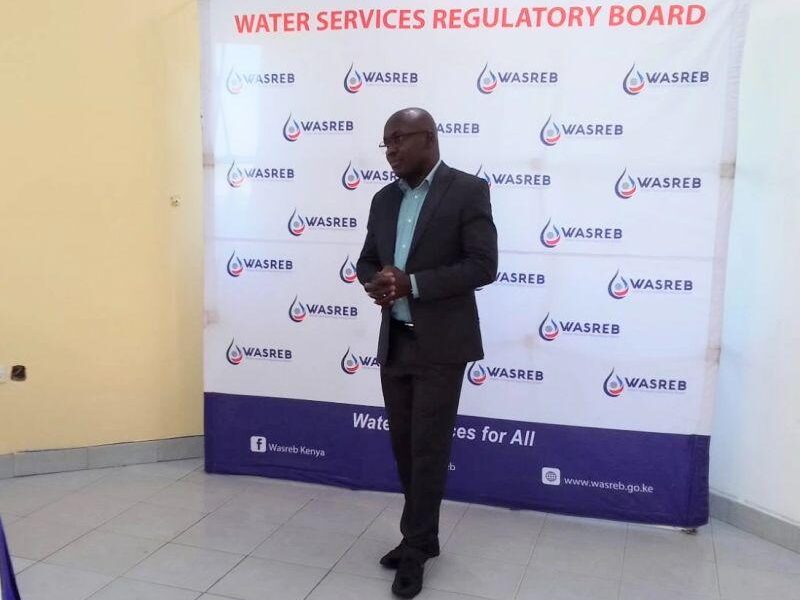
For piped water, households experiencing sudden changes in quality can report the problem to their water service provider and request an investigation. The Water Services Regulatory Board is responsible for prescribing national water-service standards and monitoring compliance by water service providers.
Households can also take precautions while awaiting laboratory results. Water from a source suspected of contamination should not be consumed untreated. Boiling can help destroy disease-causing microorganisms, while appropriate household water-treatment products can provide additional protection when used according to instructions.
However, boiling does not remove dissolved chemicals such as fluoride, nitrates and heavy metals. Such contamination requires appropriate treatment methods based on laboratory findings.
Proper storage is equally important. Water should be kept in clean, covered containers, preferably with a tap or another method that prevents hands and dirty utensils from entering the stored supply.
Households should also boil or appropriately treat drinking water when its safety is uncertain, particularly in areas affected by flooding and sanitation disruptions.
Ultimately, determining whether drinking water is safe requires more than relying on its appearance or taste. Clear water is not necessarily clean water, just as cloudy water does not automatically mean it contains dangerous pathogens.
For Kenyan households, regular testing, protection of water sources, proper storage and prompt reporting of suspected contamination are essential steps towards reducing exposure to water-related health risks.
The most important lesson is that water safety must be established through scientific testing, not appearance alone.