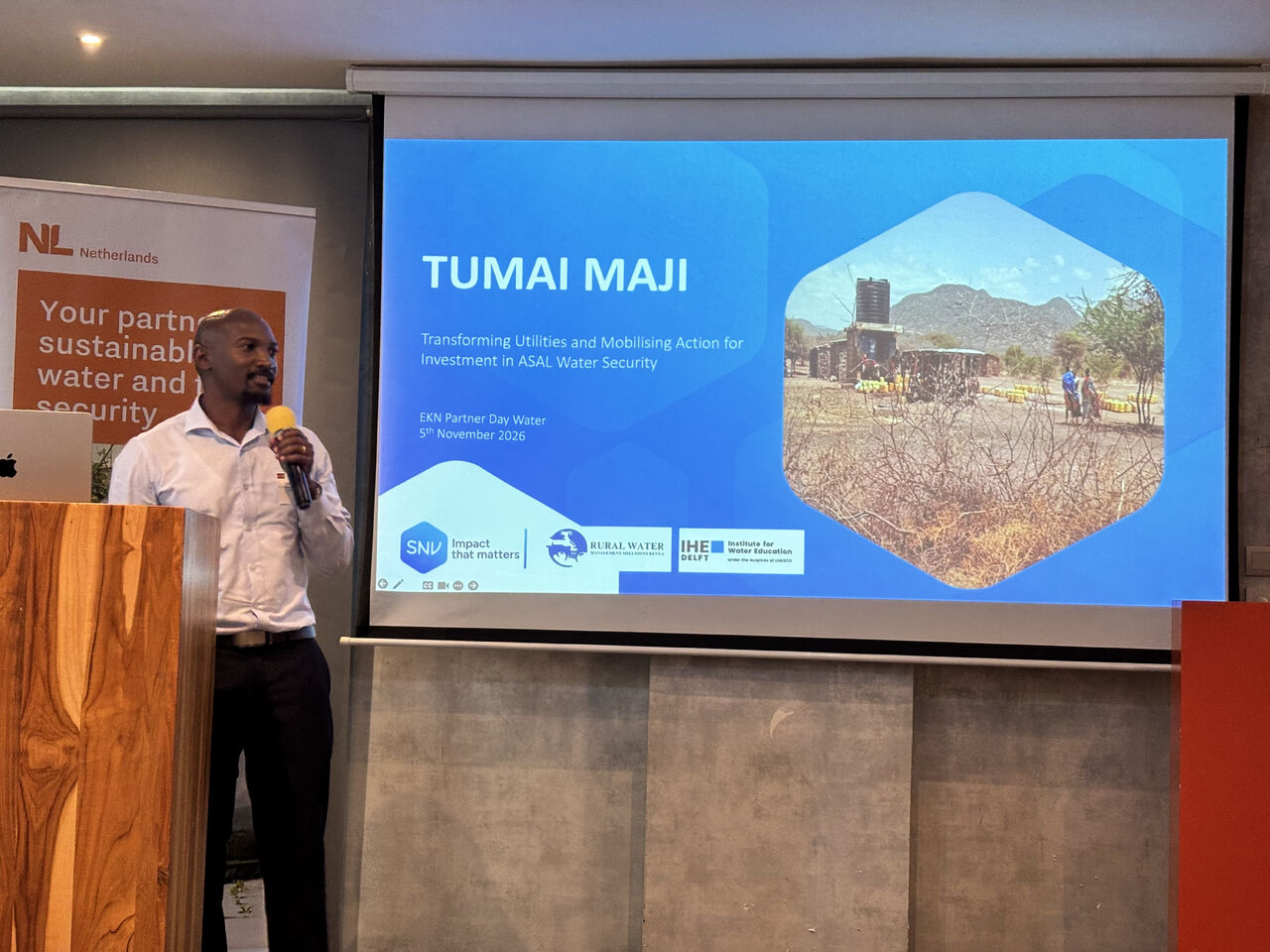
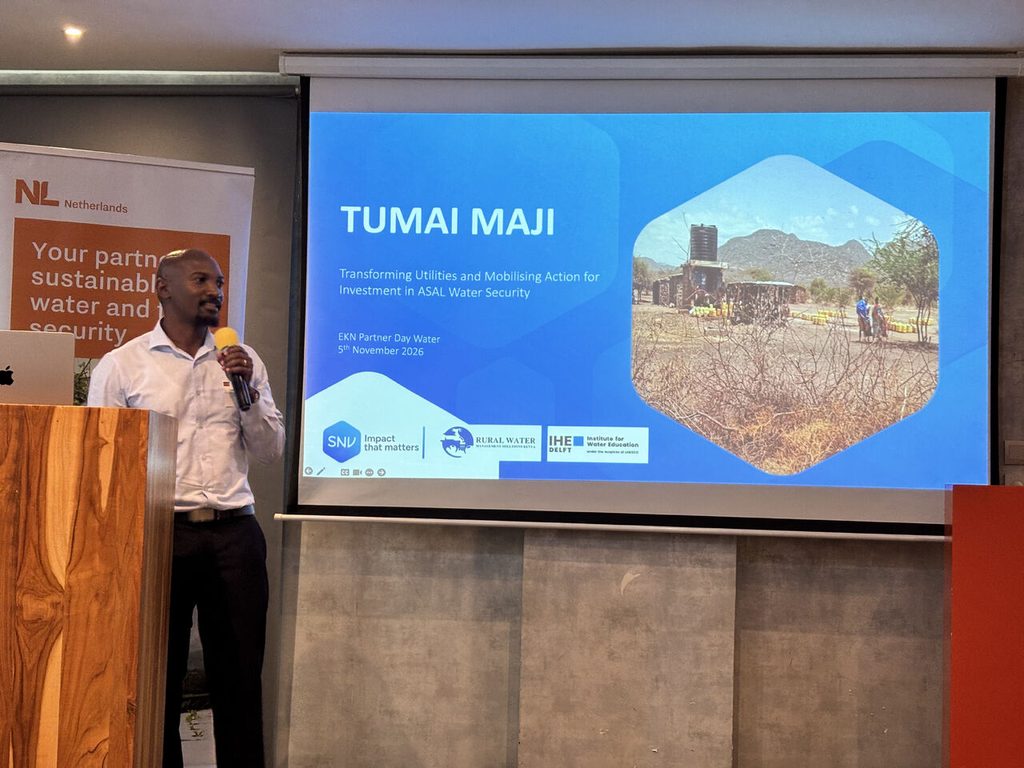
A five-year water security programme backed by the Government of the Netherlands is set to transform water resource management, rural water supply and investment in Kenya’s arid and semi-arid regions, with a focus on improving the sustainability of water infrastructure and strengthening local service providers.
The initiative, known as Transforming Utilities and Mobilising Action for Investment in ASAL Water Security (TUMAI MAJI), will run from 2027 to 2031 and target communities across five counties: Turkana, West Pokot, Samburu, Marsabit and Laikipia.
The programme is designed to address persistent water shortages by strengthening the institutions responsible for managing water resources, operating rural water schemes and mobilising financing for infrastructure development.
Its implementation follows growing recognition that expanding water infrastructure alone cannot guarantee reliable supplies, particularly in arid regions where prolonged droughts, unreliable rainfall, groundwater depletion and limited operational capacity affect service delivery.
The Netherlands-funded programme will operate across two major river basins: the Rift Valley Basin, covering Turkana and West Pokot, and the Ewaso Ng’iro North Basin, covering Samburu, Marsabit and Laikipia.
Unlike conventional water infrastructure programmes that primarily focus on constructing dams, boreholes and pipelines, TUMAI MAJI will concentrate on improving the wider systems that determine whether water services remain functional and financially sustainable.
The programme will address four interconnected areas, including basin and water resource management, water and sanitation service delivery, institutional governance, and finance and investment.
Under water resource management, the initiative will support better coordination among water institutions, county governments and Water Resource Users Associations (WRUAs). This is expected to improve water allocation, monitoring and management of groundwater and surface water resources.
The second component will focus on strengthening water service providers and rural water schemes. This includes improving operational performance, asset management, maintenance systems and the delivery of climate-resilient water and sanitation services.
Rural Water Management Solutions Kenya (RWMS), led by Eng. Jamlick Mutie, will lead this component as part of the programme’s implementing consortium.
The company’s involvement is significant because many rural water schemes face challenges beyond infrastructure development, including weak revenue collection, inadequate maintenance, limited technical expertise and difficulties financing daily operations.
Through the programme, RWMS is expected to support improvements in the management of rural water systems and strengthen partnerships between private operators, county governments and local water service providers.
The third component will address institutional capacity and governance. It seeks to strengthen county-level water planning, policy implementation, coordination and accountability among institutions responsible for water service delivery and resource management.
The fourth area will focus on finance and investment, with the programme promoting commercially sustainable water services, public-private partnerships and investment opportunities for water utilities and enterprises.
Women- and youth-led businesses are also expected to benefit from opportunities to participate in the water and sanitation value chain, while an Innovation Challenge Fund will support the development and testing of new solutions.
The programme will be implemented through a consortium involving SNV, Rural Water Management Solutions Kenya and IHE Delft Institute for Water Education. SNV will lead institutional governance and finance components, RWMS will lead water and sanitation service delivery, while IHE Delft will provide leadership on basin and water resource management.
A key feature will be the establishment of Living Labs, which will bring together county governments, water institutions, communities and private sector players to test solutions before they are expanded to other areas.
The initiative will also integrate climate resilience, gender equality, social inclusion, youth employment and conflict sensitivity into its activities.
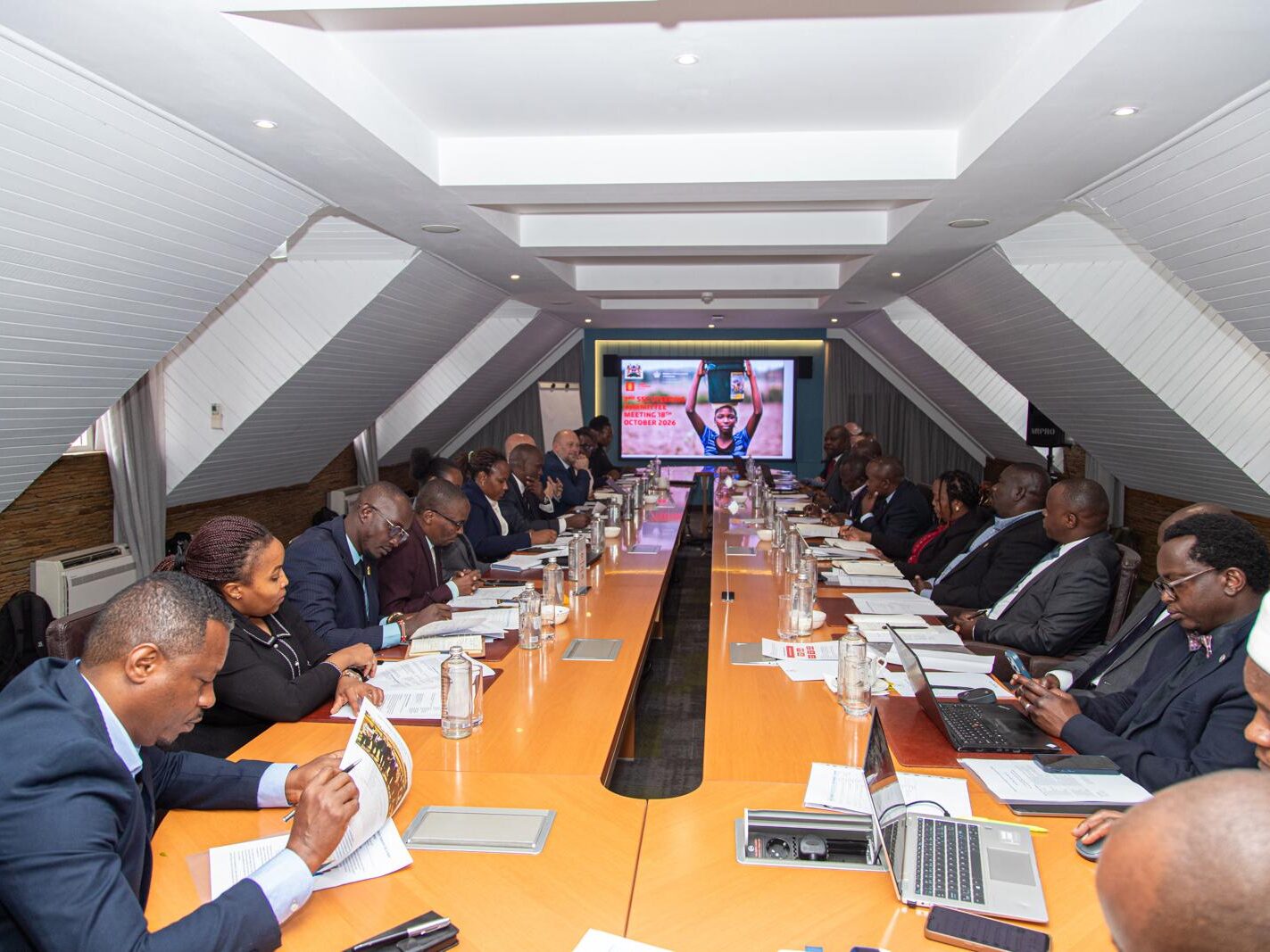
The programme was highlighted during a Water Partner Day organised by the Embassy of the Kingdom of the Netherlands in Kenya, where participating organisations discussed interventions aimed at improving access to safe and affordable drinking water.
The event also showcased innovations from other water-sector partners, including Nazava Water Filters, which presented a new filtration technology incorporating hydroxyapatite to address excessive fluoride in drinking water.
The broader partnership reflects continued cooperation between Kenya and the Netherlands in addressing water security through technical expertise, private sector participation and institutional development.
For the targeted counties, the success of TUMAI MAJI will depend on whether improved governance, stronger rural water operators and new investment models translate into reliable water supplies for households, livestock keepers, farmers and businesses.
By placing greater emphasis on the management and financing of existing water systems alongside infrastructure development, the programme seeks to address some of the underlying challenges that have made rural water services difficult to sustain in Kenya’s dry regions.