




Kenya is moving to complete major urban water and sanitation infrastructure projects while preparing to roll out a new national programme targeting 21 towns across 16 counties, in a renewed push to improve access to clean water, expand sewerage services and address pollution in urban rivers.
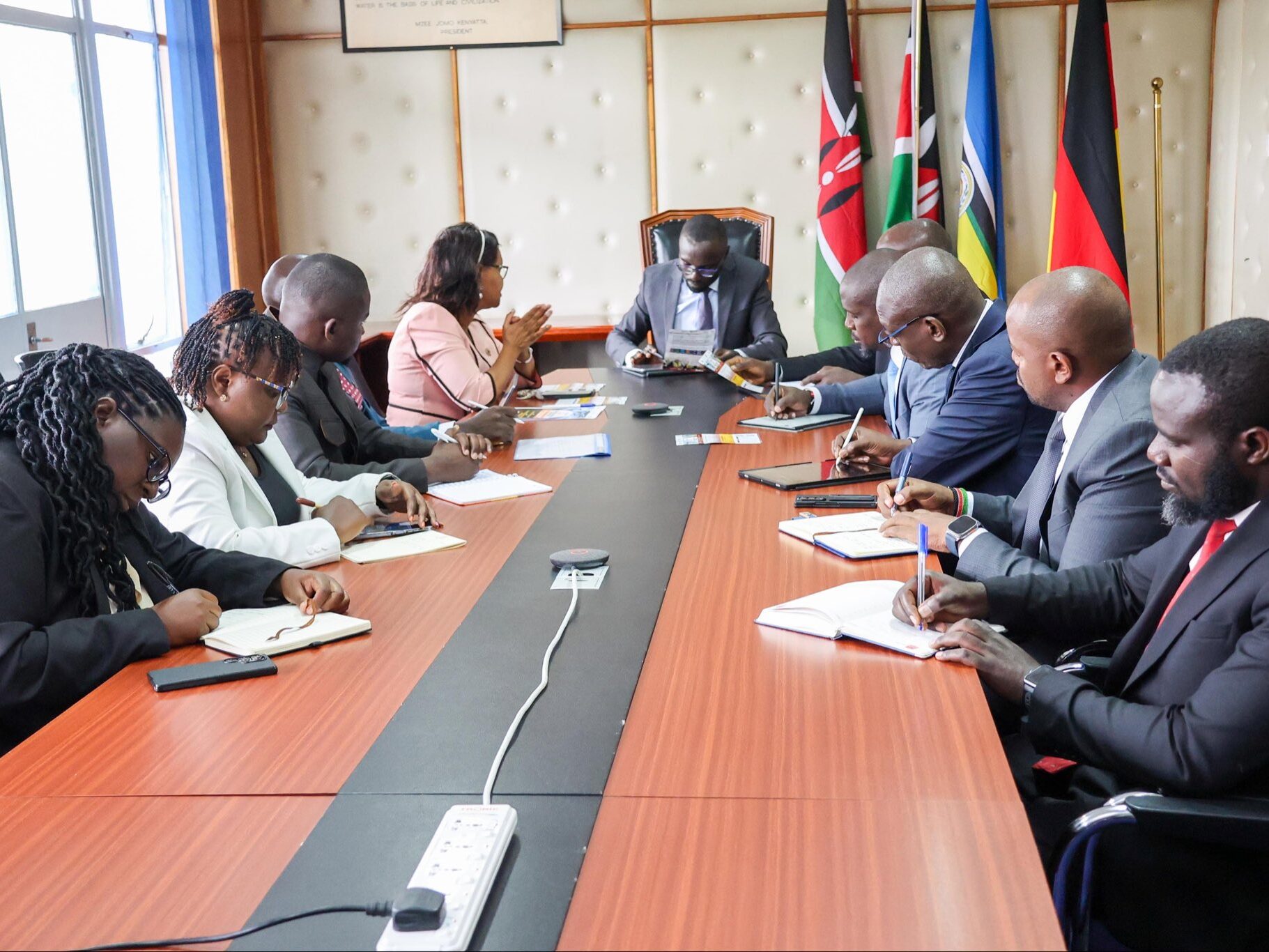
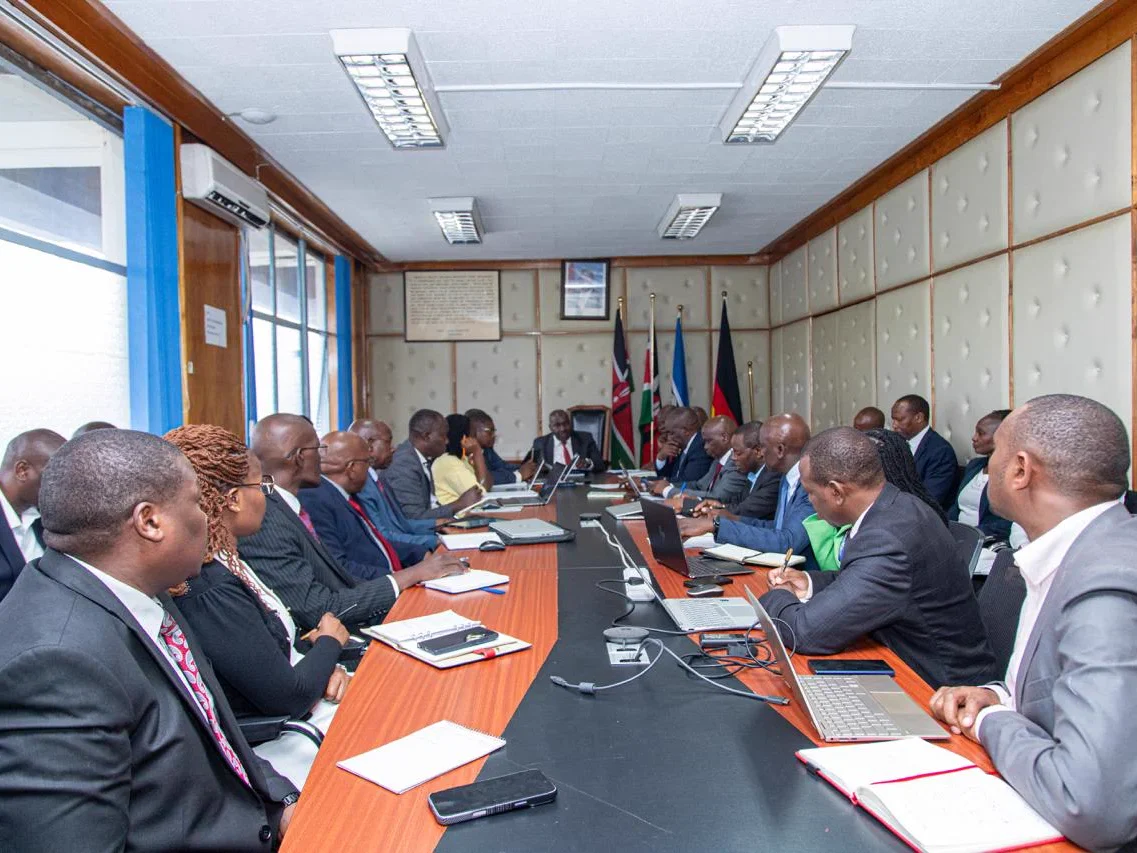
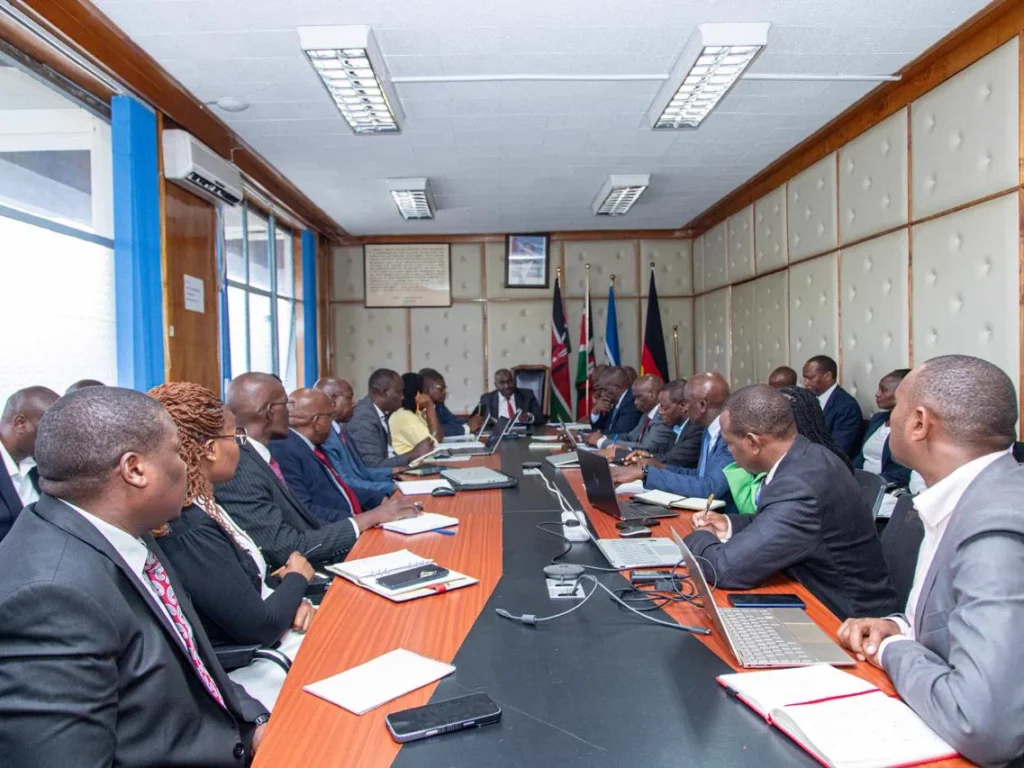
Principal Secretary for Water and Sanitation Julius Korir chaired a mission wrap-up meeting reviewing the implementation of the Kenya Towns Sustainable Water and Sanitation Programme, the Nairobi Rivers Basin Rehabilitation and Restoration Programme Sewerage Improvement Project Phase II (NaRSIP II), and preparations for the National Urban Water Supply and Sanitation Programme (NUWSSP).
The three programmes are being implemented in partnership with the African Development Bank (AfDB), which has supported several of Kenya’s major investments in urban water infrastructure.
The Kenya Towns Sustainable Water and Sanitation Programme is nearing its scheduled closure in December 2026. Completed projects have expanded water distribution networks, improved wastewater management and increased access to sanitation facilities in beneficiary towns.
The programme has supported infrastructure development in several counties through water treatment plants, sewer networks, storage facilities, transmission pipelines and last-mile connections. Its interventions are intended to address longstanding gaps in urban water supply, particularly in smaller towns experiencing population growth and increasing demand for reliable services.
Implementation updates indicate that the programme had achieved 93 per cent progress by February 2026, with completed projects contributing to improved service delivery. Its implementation has also involved expanding connections to households and institutions that previously lacked access to formal water and sewerage networks.
Attention is also turning to NaRSIP II, which is at an advanced stage of implementation and is expected to contribute to the rehabilitation of the Nairobi River basin through expanded wastewater collection and treatment infrastructure.
The project seeks to increase sewerage coverage in Nairobi City from 48 per cent to 60 per cent, extending improved sanitation services to more than 400,000 residents. It also targets the collection and treatment of approximately 80,000 cubic metres of wastewater daily to reduce pollution entering the Nairobi River and its tributaries.
Recent implementation updates indicate that NaRSIP II had reached 98 per cent completion by early November 2026, bringing the project closer to delivering its planned infrastructure.
The project includes sewer network extensions, rehabilitation of existing infrastructure and improvements to wastewater treatment facilities. Some of the completed works cover Kahawa West, Githurai 44 and 45, Kahawa Sukari and informal settlements, where expanded sewer connections are expected to improve sanitation and reduce the discharge of untreated wastewater into the environment.
The rehabilitation and duplication of inlet works at the Dandora Estate Wastewater Treatment Plant is also among the interventions aimed at strengthening Nairobi’s capacity to manage growing volumes of sewage.
Beyond infrastructure expansion, the project is expected to support the wider restoration of the Nairobi River basin, which has faced pollution pressures from untreated sewage, industrial discharge and waste entering waterways through urban drainage systems.
The third programme reviewed during the meeting, NUWSSP, is expected to extend the government’s urban water and sanitation investments to additional towns.
The programme will cover 21 towns across 16 counties, targeting approximately 1,409,245 people with improved access to safe and reliable water supply and another 500,000 people with improved sanitation services.
The African Development Bank-backed programme is expected to support increased water supply capacity of 33,600 cubic metres per day and expand wastewater treatment capacity by 19,300 cubic metres daily. Its implementation is expected to run through 2029.
The programme’s beneficiary counties include Kajiado, Mombasa, Marsabit, Tharaka Nithi, Embu, Meru, Murang’a, Nandi, Narok, Baringo, Laikipia, Nyandarua, Homa Bay, Migori, Bomet and Uasin Gishu.
The new investment is expected to address water supply and sanitation gaps in rapidly growing urban centres, including towns in arid and semi-arid areas where access to reliable water services remains a challenge.
The programme also incorporates institutional strengthening, environmental protection and nature-based solutions, including watershed management, to improve the long-term sustainability of water infrastructure.
During the meeting, Korir called on chief executive officers of implementing agencies to fast-track outstanding works under the ongoing programmes to ensure that the intended benefits reach residents without further delays.
He also emphasised the need for closer coordination among implementing agencies and other stakeholders to accelerate the commencement of NUWSSP and facilitate the timely rollout of projects in the selected towns.
The review comes as Kenya continues to expand investment in urban water infrastructure to respond to population growth, increasing demand and pressure on existing treatment and distribution systems.
However, completing construction works remains only part of the challenge. The long-term impact of the programmes will depend on whether water utilities can operate and maintain the infrastructure, increase household connections, manage wastewater effectively and generate sufficient revenue to sustain services.
For Nairobi, expanding sewerage coverage and improving wastewater treatment will be particularly important in addressing river pollution and supporting environmental restoration.
The transition from the Kenya Towns Programme and NaRSIP II to NUWSSP therefore represents another phase in the country’s efforts to improve urban water security, strengthen sanitation services and extend infrastructure investment beyond major cities.