






Water and sanitation experts from across Africa have convened in Djibouti to explore innovative technologies and strategies for tackling increasing water shortages, improving sanitation services and strengthening the continent’s resilience to climate change.
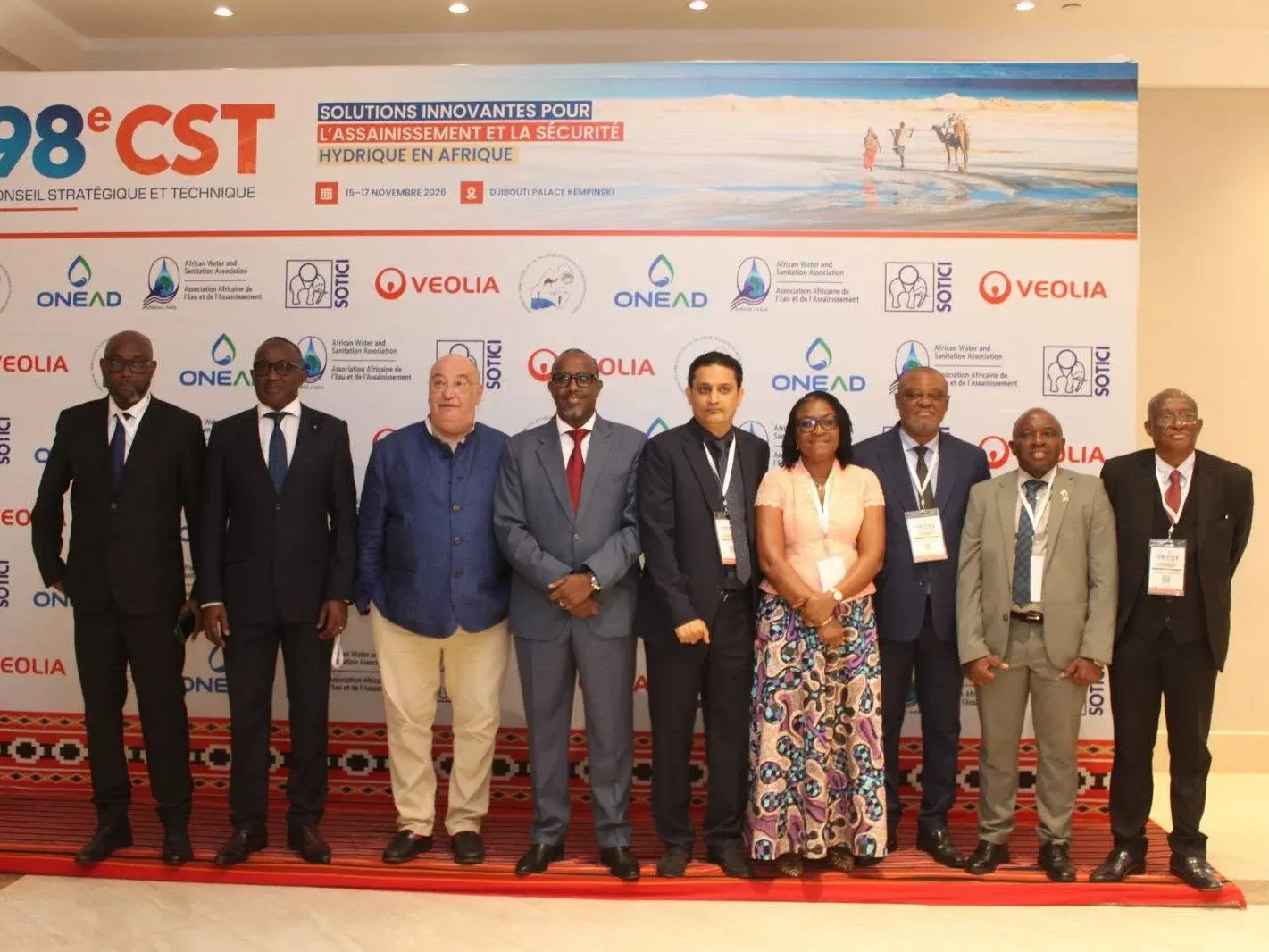
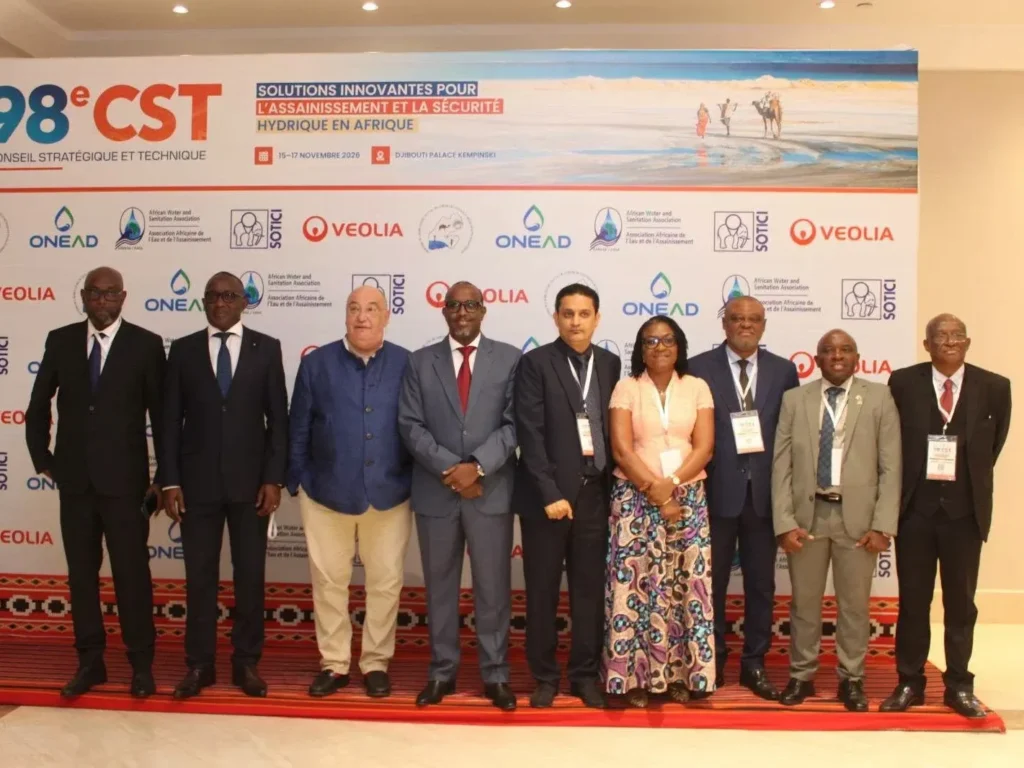
The three-day meeting, which began on November 15 and runs until November 17, 2026, is the 98th session of the African Water and Sanitation Association’s (AfWASA) Strategic and Technological Council (STC). It is being held under the theme “Innovative Solutions for Sanitation and Water Security in Africa”.
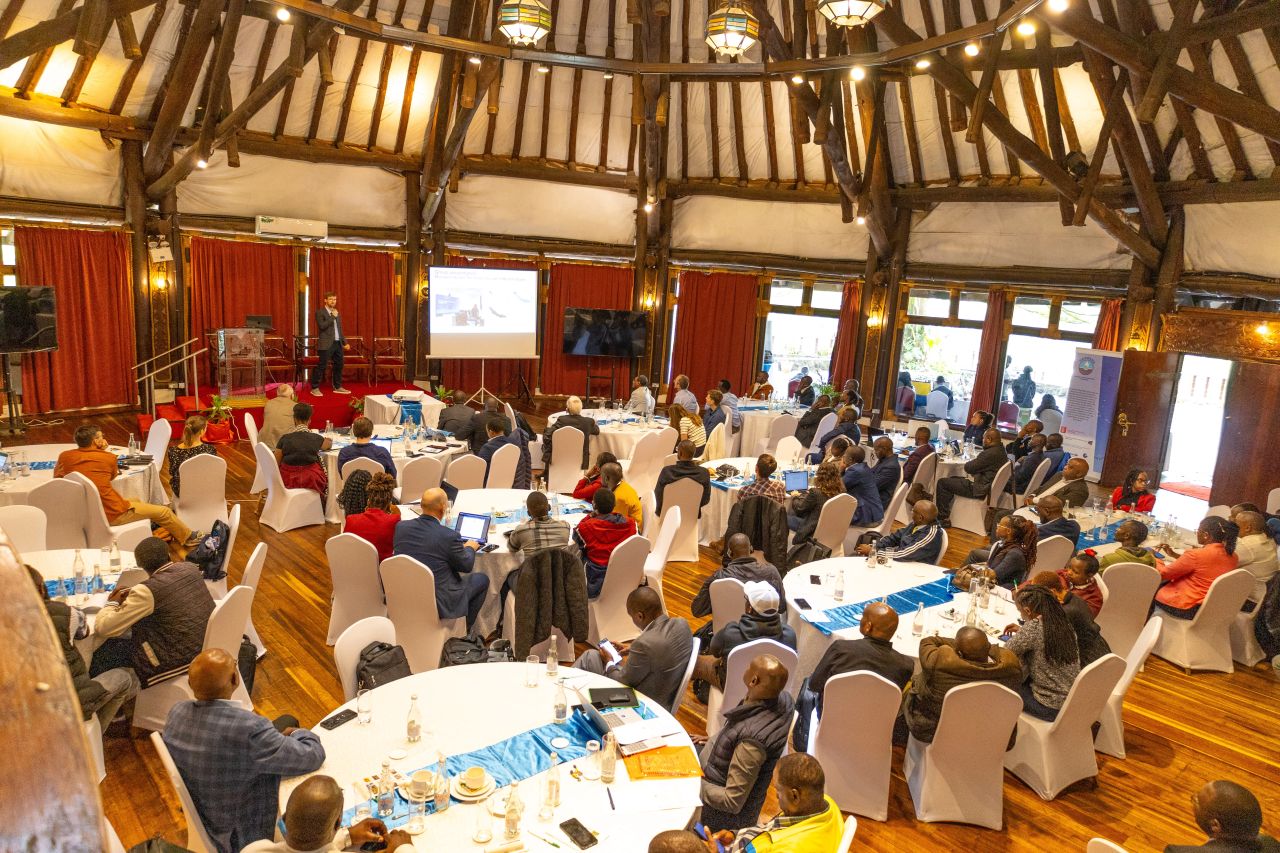
The meeting has brought together water utility managers, government officials, regulators, researchers, technology providers and development partners to exchange experiences and identify practical interventions that can improve water supply and sanitation across African countries.
Djibouti’s Minister of Agriculture, Water, Fisheries, Livestock and Natural Resources, Radwan Abdillahi Bahdon, officially opened the gathering, highlighting the importance of innovation and partnerships in addressing the continent’s growing water challenges.
Participants noted that climate change, rapid population growth and urbanisation are placing increasing pressure on available water resources, requiring governments and utilities to diversify water sources, improve infrastructure and adopt more efficient management systems.
Djibouti provides an important example of the challenges facing water-stressed countries. With extremely limited renewable freshwater resources, the country has increasingly invested in alternative water supply systems, including groundwater extraction, cross-border water transfers and desalination.
The country relies on three main sources of water supply: boreholes, a pipeline bringing water from neighbouring Ethiopia and the Doraleh desalination facility, which uses reverse osmosis technology.
Mohamed Fouad Abdo, Director General of Djibouti’s National Office for Water and Sanitation (ONEAD), said the country’s harsh environmental conditions make it an important testing ground for water infrastructure and technologies.
“Heat, humidity, the salinity of the air and of some waters, sand and dust test our materials and installations,” he said, describing Djibouti as “a true open-air laboratory” for testing water and sanitation technologies.
Djibouti has also developed alternative sanitation technologies to address the difficulties associated with conventional sewerage infrastructure. One district in the capital has been connected to a vacuum sewerage system known as VACUVIDE, which the utility describes as the first of its kind in Africa.
The technology is particularly suitable for low-lying coastal settlements where groundwater levels can be close to the surface, making conventional sewer construction involving deep excavation more difficult.
Fouad also called for greater investment in wastewater treatment and the reuse of treated water in agricultural irrigation, noting that local technical capacity is essential for sustaining new infrastructure.
“A technology becomes useful when our teams take ownership of it and know how to maintain it,” he said.
Discussions during the opening day focused on three major areas of innovation: renewable energy-powered desalination, digital water management systems and the safe reuse of treated wastewater in agriculture and industry.
Digital technologies, including remote water meters, sensors and smart monitoring systems, are increasingly being considered important tools for improving utility performance. Such technologies can help operators monitor consumption, identify leakages, detect network failures and reduce non-revenue water.
The discussions also examined how solar and wind energy could lower the cost of desalination, particularly in countries where conventional freshwater sources are inadequate. Desalination, however, requires substantial investment and careful management of energy consumption and concentrated brine produced during the treatment process.
Another major area of discussion was wastewater recycling, which offers opportunities to reduce pressure on freshwater supplies while supporting agricultural production and industrial activities.
Across Africa, inadequate wastewater treatment and sanitation infrastructure remain major challenges, particularly as urban populations and industrial activities continue to expand. Improving wastewater management could provide additional water for irrigation and industrial use while reducing pollution in rivers and other freshwater sources.
The meeting also highlighted ongoing institutional partnerships supporting Djibouti’s water sector. For nearly two years, a technical team led by French environmental services company Veolia, its subsidiary Seureca and the International Office for Water has been working with ONEAD through the PROSPERO project.
Funded by the French Development Agency (AFD), the initiative supports the utility in improving operational performance and meeting targets agreed with the Djiboutian government.
Fouad acknowledged the contribution of the AFD, European Union, African Development Bank and Arab development funds in supporting water infrastructure development and institutional capacity.
The gathering comes at a time when access to safely managed water and sanitation remains a major development challenge across Africa. Growing populations, ageing infrastructure, inadequate investment and climate-related disruptions continue to affect the reliability of water services.
For African water utilities, the challenge is therefore not only expanding infrastructure but also ensuring that existing systems operate efficiently, remain financially sustainable and can withstand changing climatic conditions.
The outcomes of the 98th session are expected to contribute to efforts by African governments and water service providers to diversify water sources, strengthen utility operations and accelerate the adoption of technologies that can improve long-term water security.
Organisers said the meeting aims to translate technical discussions and shared experiences into practical strategies for delivering more efficient, resilient and accessible water and sanitation services across the continent.