Kenya’s water sector needs to focus on maintaining and improving existing infrastructure alongside expanding supply systems, with stronger governance, sustainable financing and catchment protection identified as important measures for securing long-term water services.
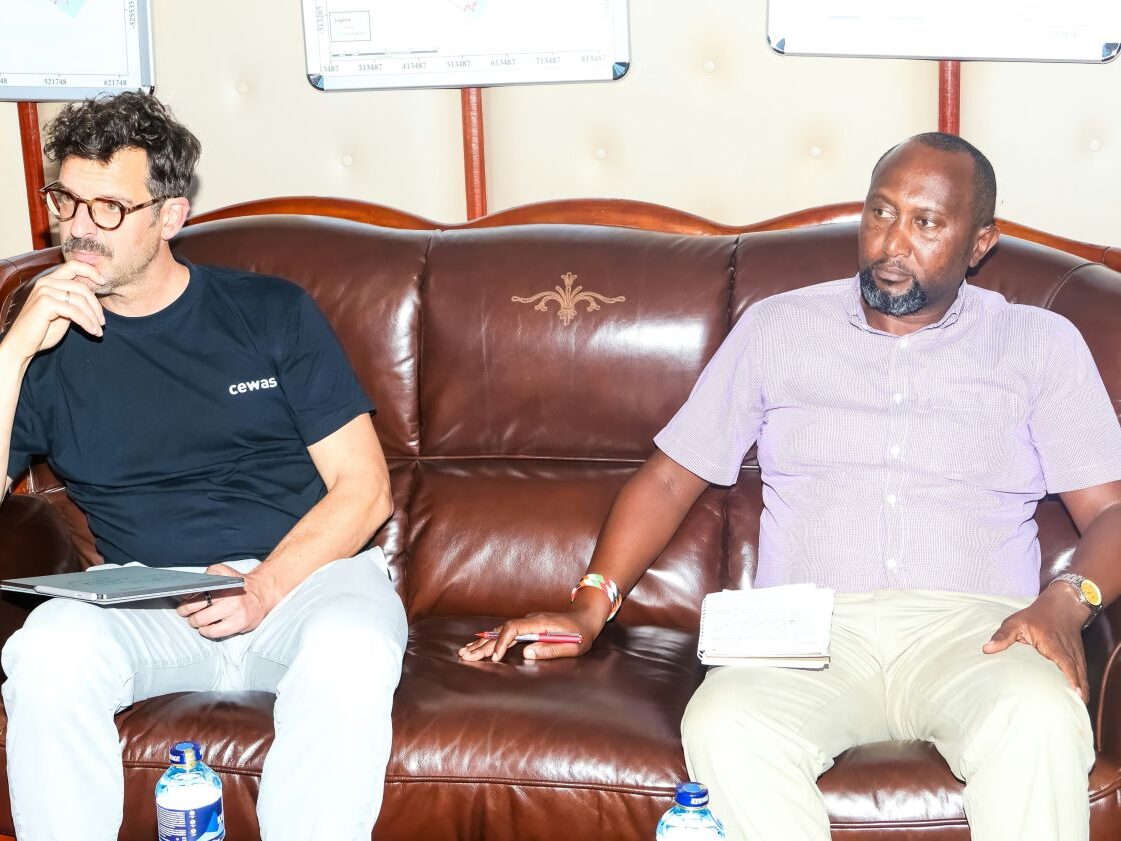
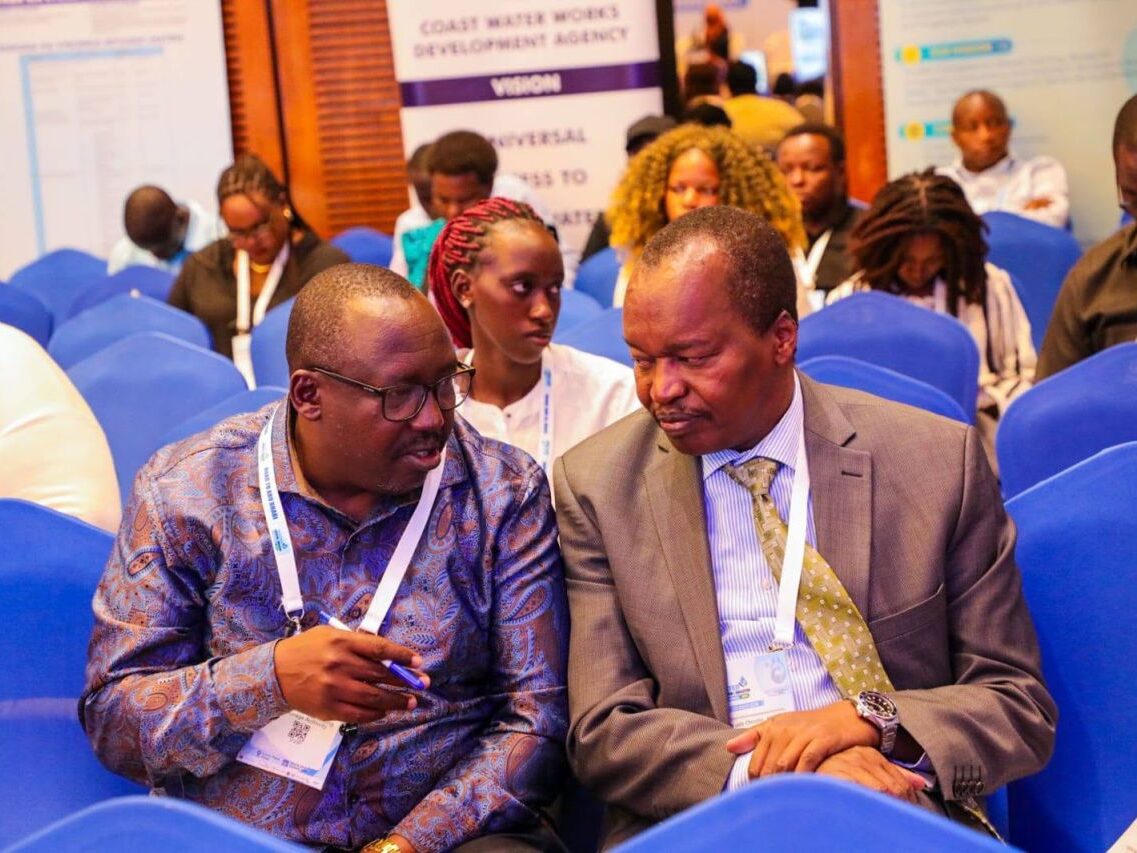
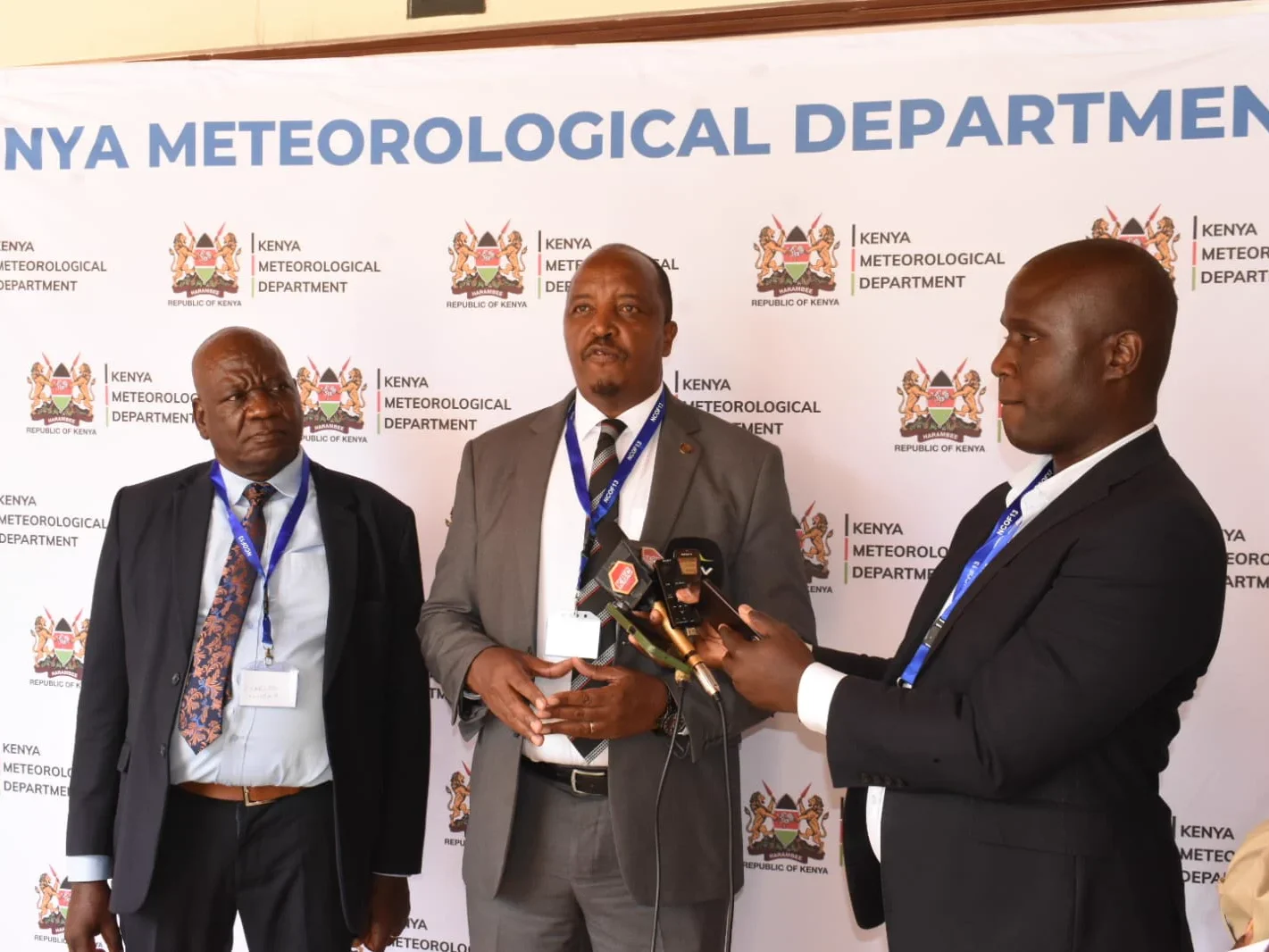
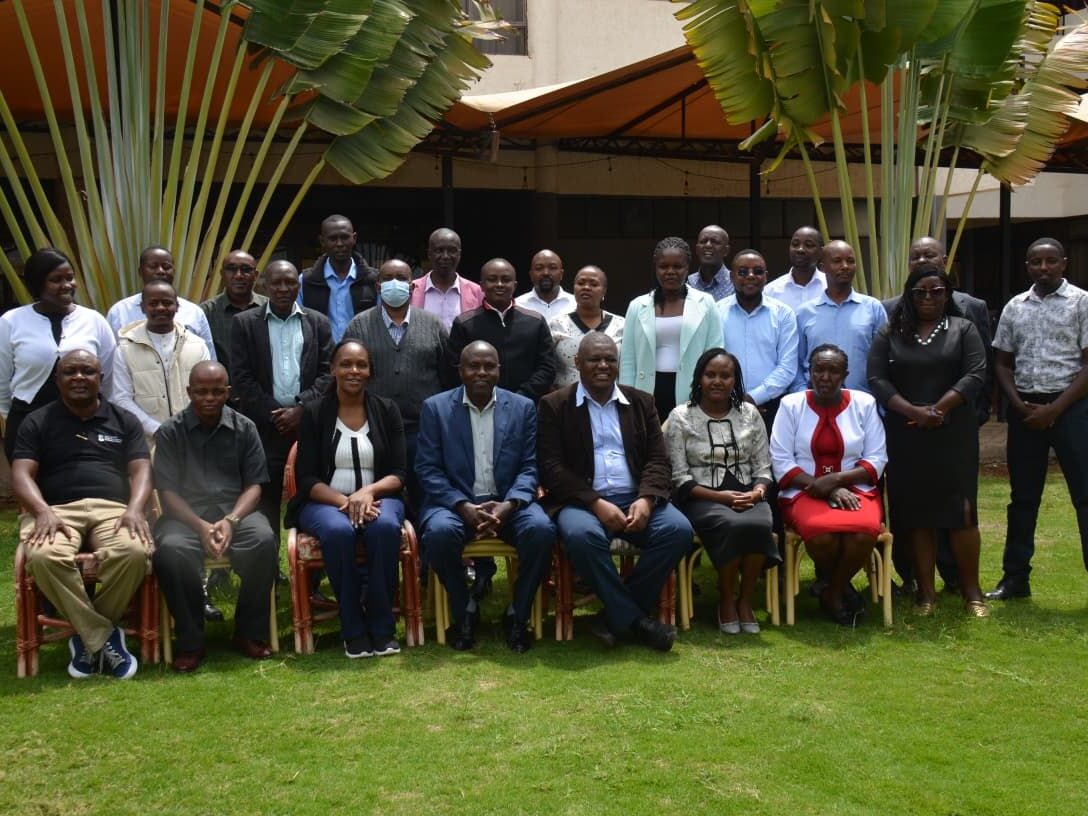
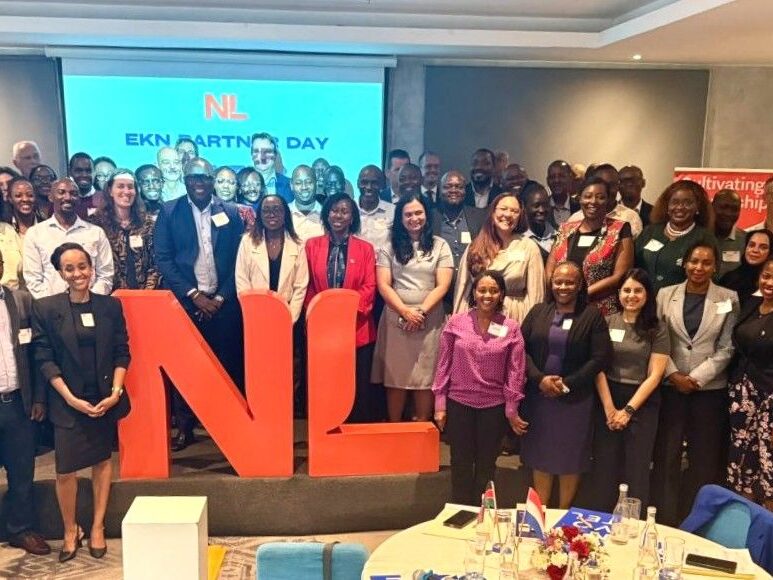
The issue featured prominently during the Water Partner Day convened by the Embassy of the Kingdom of the Netherlands in Kenya on Thursday, November 12, 2026, in Nairobi. The event brought together representatives from government institutions, research organisations, private-sector companies and development partners to discuss strategies for improving the performance, sustainability and economic value of water systems.
Discussions centred on the theme “Water as an Economic Good: Putting Value into Practice”, with participants examining how the economic value of water can be reflected in investment decisions, management practices and infrastructure financing. The meeting highlighted the need to move beyond measuring progress through the number of dams, pipelines and irrigation schemes constructed to assessing whether these facilities continue delivering reliable services over time.
The International Water Management Institute (IWMI) participated in a panel discussion titled “Water as an Economic Good: Putting Value into Practice”, featuring its representative Inga Jacobs-Mata alongside representatives from Kenya’s State Department of Agriculture, the World Resources Institute (WRI) and UNESCO Eastern Africa.
One of the key issues raised was the sustainability of irrigation schemes, particularly the need to strengthen water user associations and establish fair and transparent tariffs that can support routine operations and maintenance.
Water user associations play an important role in managing shared water resources, coordinating allocation among users and supporting the maintenance of local irrigation infrastructure. However, inadequate revenue collection, weak management structures and limited technical capacity can affect their ability to maintain facilities after construction.
The discussions also highlighted the importance of establishing appropriate water tariffs that reflect the cost of delivering services while remaining fair to consumers. Sustainable financing is necessary to ensure irrigation infrastructure continues operating effectively without depending entirely on government and donor funding.
Participants further emphasised the importance of protecting water catchment areas, noting that healthy upstream ecosystems are essential to the productivity and reliability of water systems downstream.
Catchments provide natural infrastructure by regulating water flows, supporting groundwater recharge, reducing soil erosion and helping maintain water quality. Their degradation through deforestation, uncontrolled land use and environmental pollution can increase pressure on rivers, reservoirs and water treatment facilities.
The meeting explored how outcome-based financing could connect investment in catchment conservation with measurable improvements in water availability, quality and ecosystem health. This approach seeks to encourage funding for environmental protection based on results rather than focusing exclusively on activities undertaken.
Another important issue was coordination between institutions and stakeholders managing shared water resources. Participants pointed to the need for stronger cooperation across different geographical areas, including the Lake Naivasha and Lake Turkana basins, to ensure that water management interventions complement one another.
Water resources cross administrative boundaries, meaning decisions made in one area can affect communities, farmers, businesses and ecosystems elsewhere within the same basin. Effective coordination among national and county governments, research institutions, water users and conservation organisations is therefore essential in addressing competing demands and protecting shared resources.
The discussions reflected Kenya’s wider challenge of balancing increasing demand for water with the need to maintain reliable services, protect ecosystems and ensure infrastructure investments remain financially and environmentally sustainable.
Through its water-sector cooperation, the Netherlands Embassy continues to support initiatives involving water governance, climate adaptation, catchment conservation, irrigation and improved service delivery.
The Water Partner Day provided an opportunity for government agencies, researchers, private-sector players and development partners to exchange experiences and explore practical approaches to strengthening the sector. The central message was that sustainable water security will depend not only on expanding infrastructure but also on maintaining existing systems, improving governance, protecting natural water sources and ensuring adequate financing for long-term operations.