







The government has called on farmers in Embu and Kirinyaga counties to strengthen the management and maintenance of irrigation infrastructure to protect public investments and ensure long-term productivity of their agricultural schemes.
The State Department for Irrigation says proper operation and maintenance (O&M) practices are essential to sustaining irrigation projects, reducing infrastructure breakdowns and ensuring farmers continue accessing reliable water supplies for agricultural production.
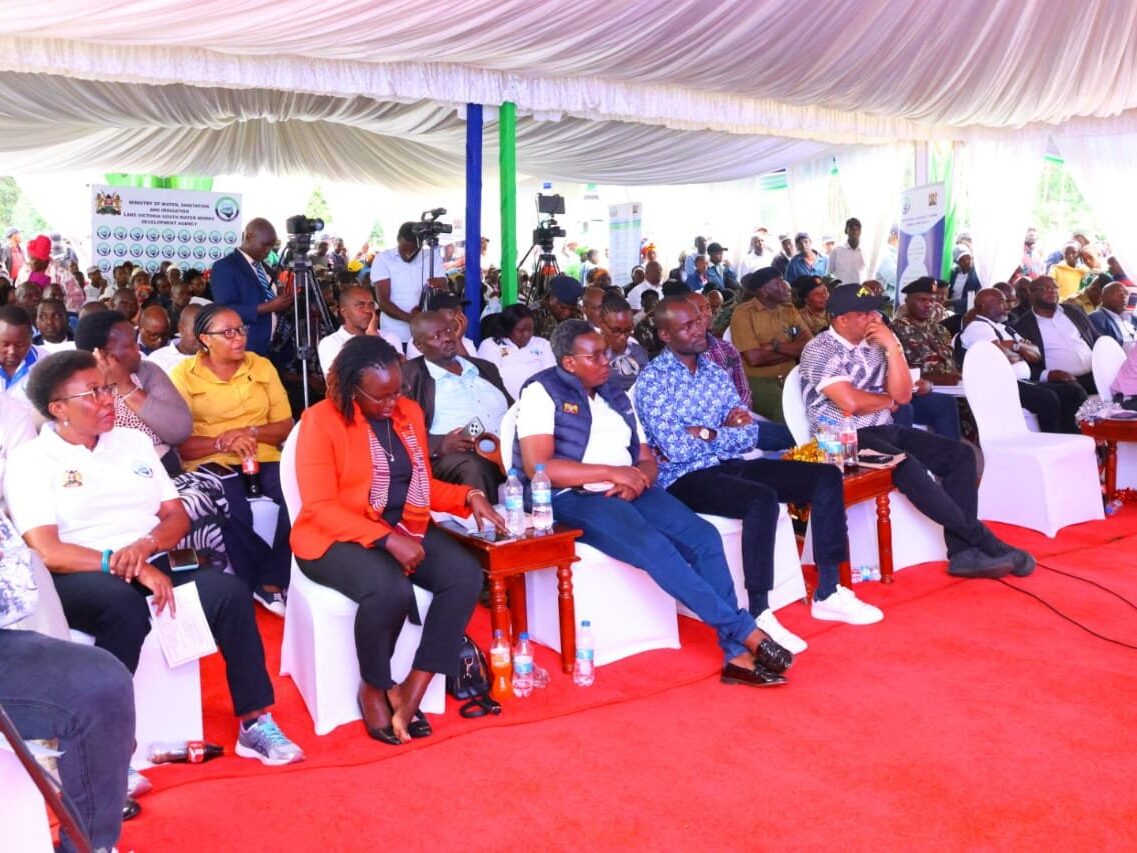
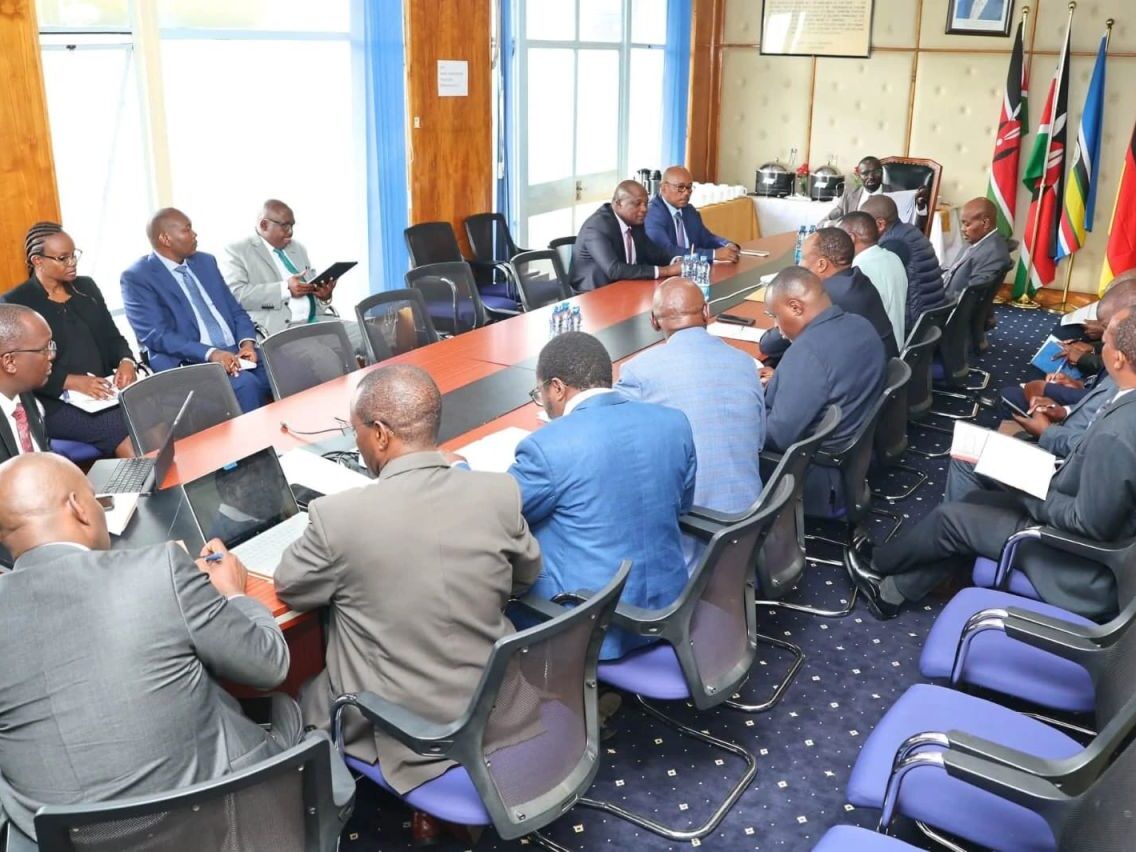
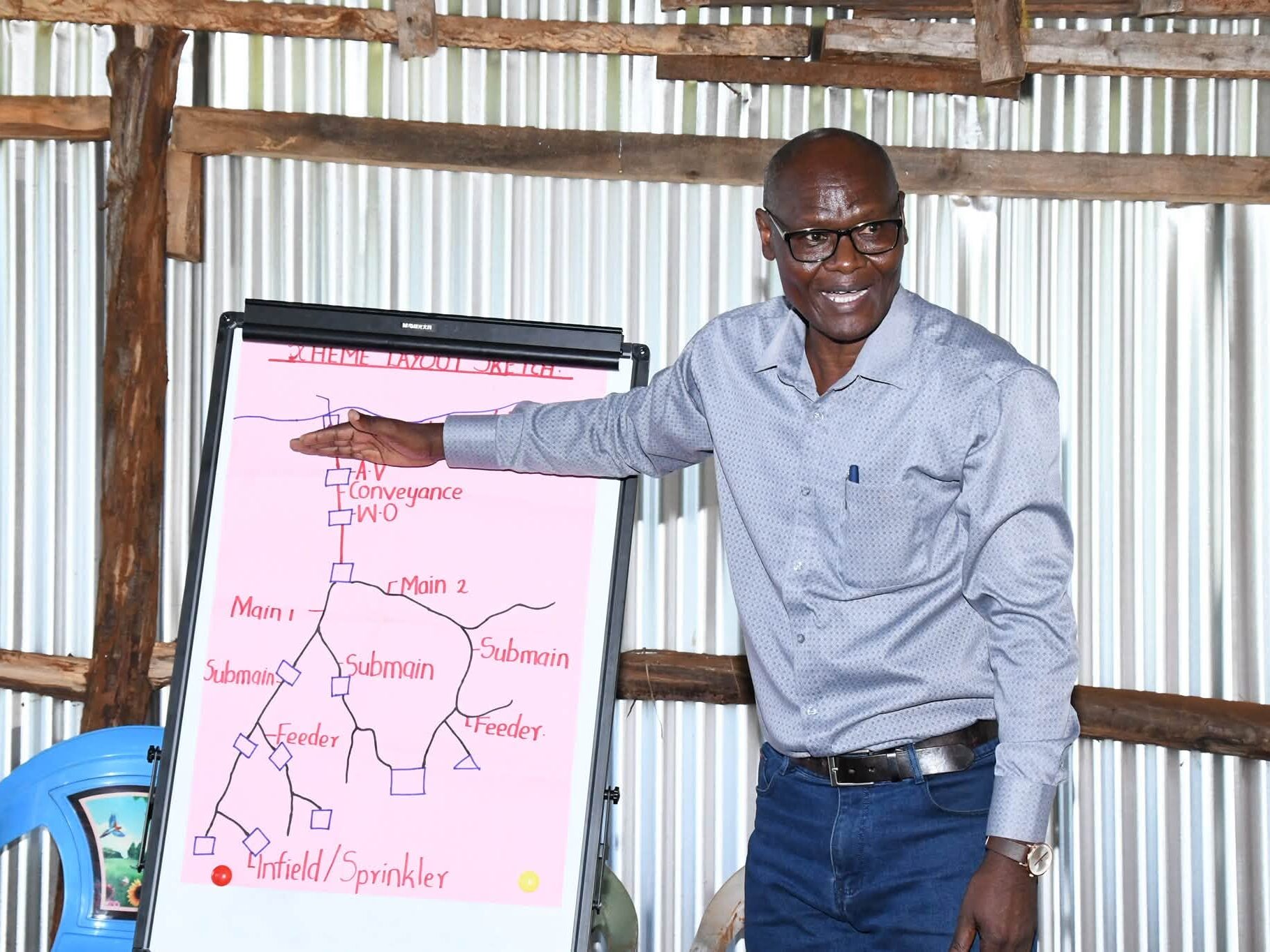
The appeal was made during a week-long capacity-building programme for farmers and scheme leaders from Gatene Irrigation Scheme in Embu County and Miuka Irrigation Scheme in Kirinyaga County. The training focused on equipping farmers with the technical and institutional skills required to manage irrigation infrastructure and sustain operations after project implementation.
Director of Irrigation Water Management Daniel Odero said farmers must translate the knowledge gained during the training into practical maintenance activities, including routine inspections, emergency repairs and improvement works.
He stressed that irrigation infrastructure requires continuous attention to remain functional, warning that neglecting maintenance could undermine the benefits of investments made in expanding agricultural water access.
Odero also urged farmers to establish reliable financial arrangements for maintaining their schemes, including making regular monthly contributions towards operational expenses. He said functional operation and maintenance committees and proper record-keeping were equally important in promoting transparency, accountability and effective management of shared infrastructure.
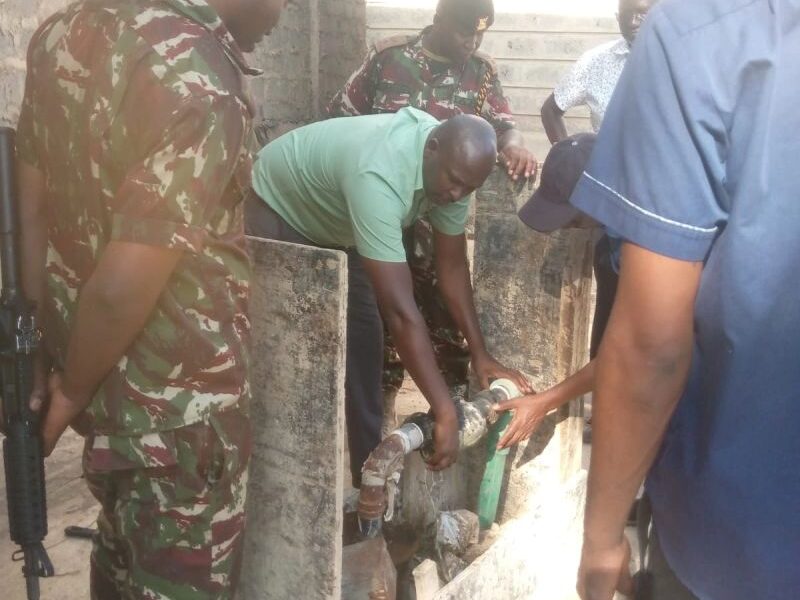
A key requirement highlighted during the training was compliance with water-use regulations. Odero urged the farmers to install master water meters in their irrigation systems in line with requirements set by the Water Resources Authority (WRA). He warned that failure to install the meters could result in higher water charges, increasing the cost of running the schemes.
Master meters are important in monitoring the volume of water abstracted from rivers and helping irrigation institutions account for their water use. Proper measurement also supports efficient allocation of water among farmers and helps prevent wastage, particularly during periods of reduced river flows.
The Director commended farmers for continuing to repay loans obtained through Equity Bank to finance their share of the irrigation infrastructure. The repayments form part of a financing arrangement designed to promote farmer ownership and ensure that communities have a direct stake in the success of their projects.
Deputy Director of Irrigation Water Management Bonventure Achong’a challenged the farmers to move beyond subsistence production and embrace commercial agriculture. He encouraged them to organise collective marketing arrangements to improve their bargaining power, access better markets and increase returns from agricultural production.
He said stronger commercial farming practices could help improve household incomes, strengthen food security and create employment opportunities, particularly for young people in the two counties.
The two schemes form part of the Smallholder Irrigation Programme for the Mt. Kenya Region (SIPMK), a government initiative developed in partnership with the German Government through KfW Development Bank and Equity Bank to expand irrigation among smallholder farmers.
The programme uses a blended financing model that combines government support, development financing and commercial lending. Its approach is intended to increase agricultural production while giving farmers responsibility for managing and maintaining the facilities after construction.
Gatene Irrigation Scheme draws water from River Nyanjara through a gravity-fed sprinkler system serving approximately 398 farmers across 75.5 hectares in Nembure Village, Gaturi South Ward, Embu County.
Miuka Irrigation Scheme, located in Murinduko Ward, Mwea East Sub-County, Kirinyaga County, abstracts water from River Nyamindi and serves approximately 350 farmers cultivating 133.4 hectares.
Miuka’s infrastructure includes an intake structure, sedimentation basin, pipelines, control valves, pressure-reducing devices and farm-level sprinkler systems. The network is designed to convey water from the river to individual farms, allowing farmers to irrigate their crops without relying entirely on rainfall.
The two schemes are designed to provide irrigation services for at least 30 years, provided their infrastructure is properly operated and maintained.
The training was facilitated by irrigation consultant Eng. Lusigi Mugera, supported by Eng. Vaines Majala and Eng. Evance Lusi from the State Department for Irrigation. It brought together scheme leaders and committee members representing different clusters and blocks, with sessions concluding at Njakairi Primary School in Embu and Mumbo Catholic Church in Kirinyaga.
Gatene was represented by its chairman James Ndwiga, while Miuka was led by chairman Eliud Kariuki.
The emphasis on maintenance comes as Kenya seeks to expand irrigated agriculture to improve food production and reduce dependence on increasingly unpredictable rainfall. However, the long-term success of such investments will depend not only on constructing irrigation infrastructure but also on ensuring farmers have the financial resources, technical knowledge and institutional structures to manage it.
Through continued training and institutional support, the State Department for Irrigation is seeking to strengthen community responsibility for irrigation infrastructure and ensure that the investments translate into sustained agricultural production, improved livelihoods and greater food security.