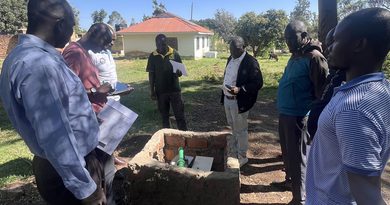
WRA brings local knowledge into Elwak aquifer management plan
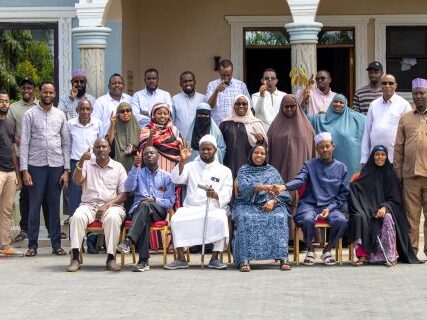
The Water Resources Authority (WRA) has stepped up efforts to incorporate community knowledge into the development and management of the Elwak Aquifer in Mandera County, as stakeholders push for sustainable use and protection of the vital groundwater resource.
The engagement, held in Elwak under the Horn of Africa Groundwater for Resilience Project (HOAGW4RP), brought together local communities, the Mandera County Government, national government departments, local administrators and representatives of women, youth and persons with disabilities.
The consultations are part of the process of developing the Elwak Aquifer Development and Management Plan, which will provide a framework for the sustainable development, protection and management of groundwater resources in the area.
WRA said technical assessments alone are not sufficient when preparing an effective aquifer management plan, noting that communities possess valuable knowledge gained from years of interacting with and relying on local water sources.
Residents shared information on groundwater sources they have depended on over time, boreholes that have performed well, areas where water quality remains a challenge and changes observed around water sources.
The local knowledge is expected to complement scientific and technical assessments by providing a clearer picture of groundwater conditions and the challenges facing communities.
One of the major concerns raised during the consultations was the saline nature of much of the groundwater in the Elwak area. Stakeholders called for measures to protect freshwater aquifers from saline intrusion while also strengthening monitoring of groundwater quality.
Participants further highlighted the need to address groundwater pollution, protect aquifer recharge areas and ensure environmental considerations are taken into account during borehole drilling.
They also stressed the importance of professional supervision during borehole construction to improve the quality and sustainability of groundwater infrastructure.
The community identified Wargadud and Borehole 11 as successful boreholes that have provided useful information about the characteristics of the aquifer. Several other areas, including Al-Tuembe, El-Safara, El-Taule, Adakalo and Mkutano, were proposed for consideration in future groundwater development.
Stakeholders also discussed the potential of earth pans, sand dams and water pans to capture rainwater and enhance groundwater recharge. Protecting catchment and recharge areas was identified as another important measure for sustaining groundwater resources.
The consultations further emphasized the need for greater public awareness on groundwater quality and pollution, stronger compliance and enforcement measures, and community structures to support implementation of the planned interventions.
Participants also called for mechanisms to strengthen community involvement in project implementation and grievance management, ensuring that local concerns are addressed throughout the process.
WRA will incorporate the views and recommendations gathered in Elwak alongside findings from technical assessments as it refines the Aquifer Development and Management Plan.
The approach is expected to ensure that the final plan combines scientific evidence with local experience, creating a practical framework that responds to both the characteristics of the Elwak Aquifer and the needs of communities that depend on it.