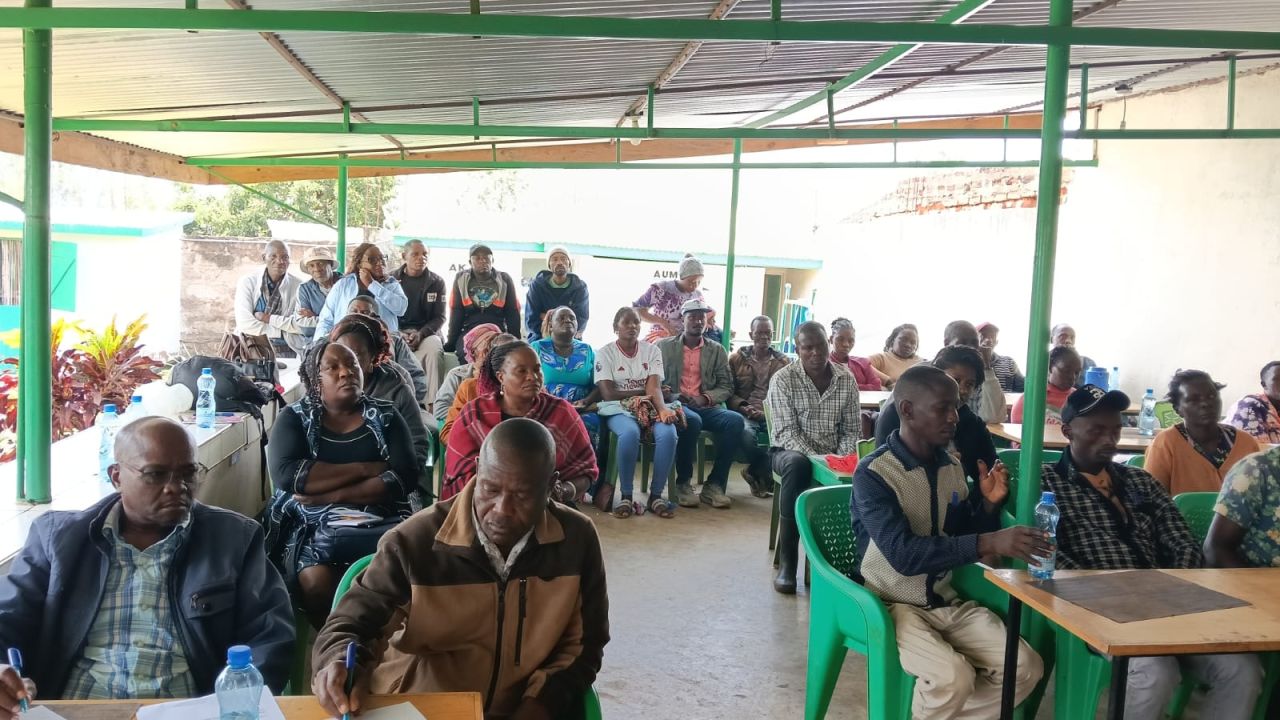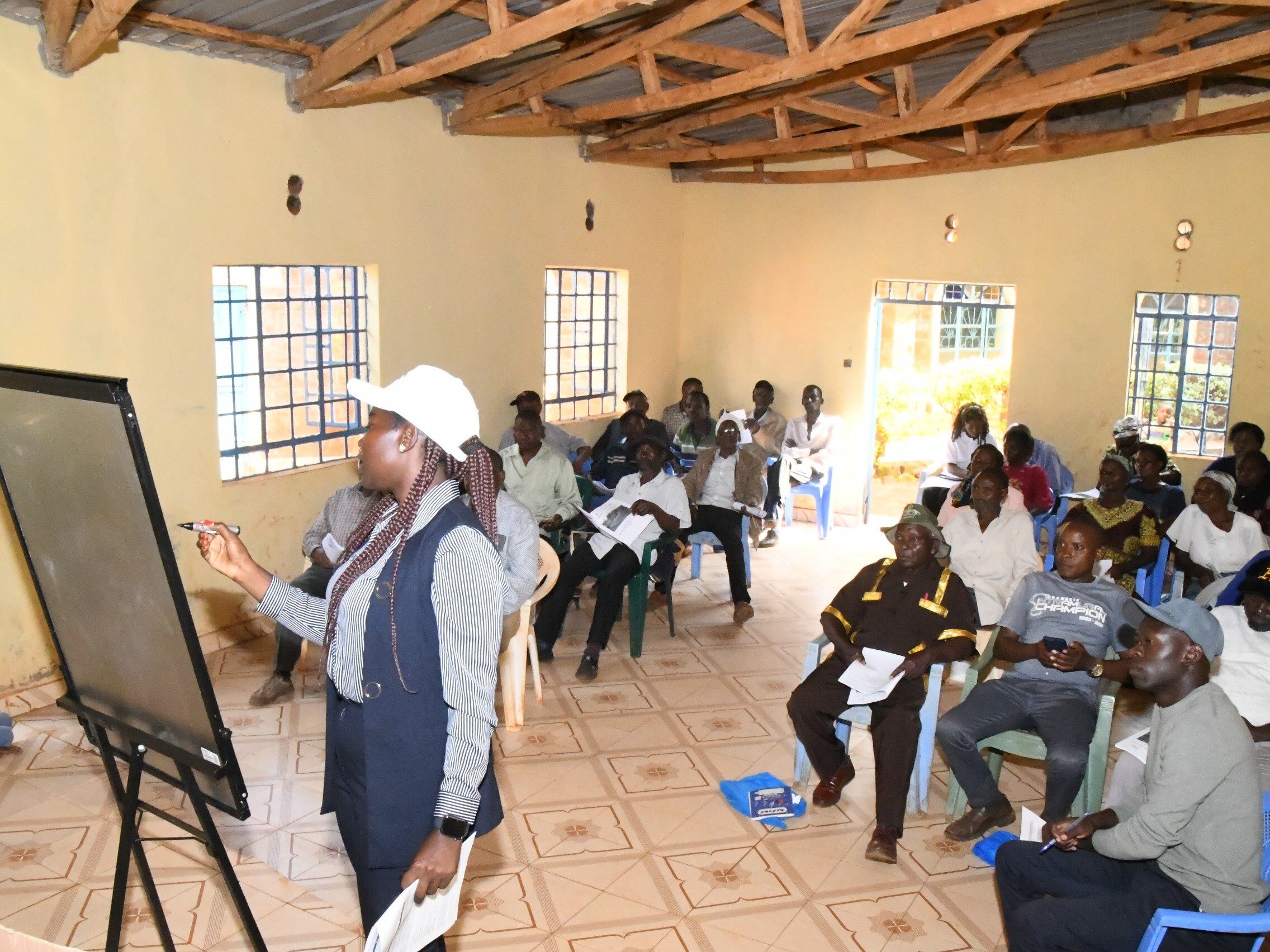
Kenya’s plan to expand farmer-led irrigation is facing a major financing challenge as the government seeks to make pumps, solar-powered systems and water distribution technologies more accessible to smallholder farmers.
The approach, which places farmers at the centre of irrigation investment and management, is intended to accelerate agricultural production by enabling individual farmers and organised groups to develop irrigation systems suited to their land, water resources and farming needs.
However, access to affordable credit remains one of the biggest obstacles to expanding the model, with many smallholder farmers unable to meet the upfront costs of purchasing irrigation equipment or satisfy traditional bank lending requirements.
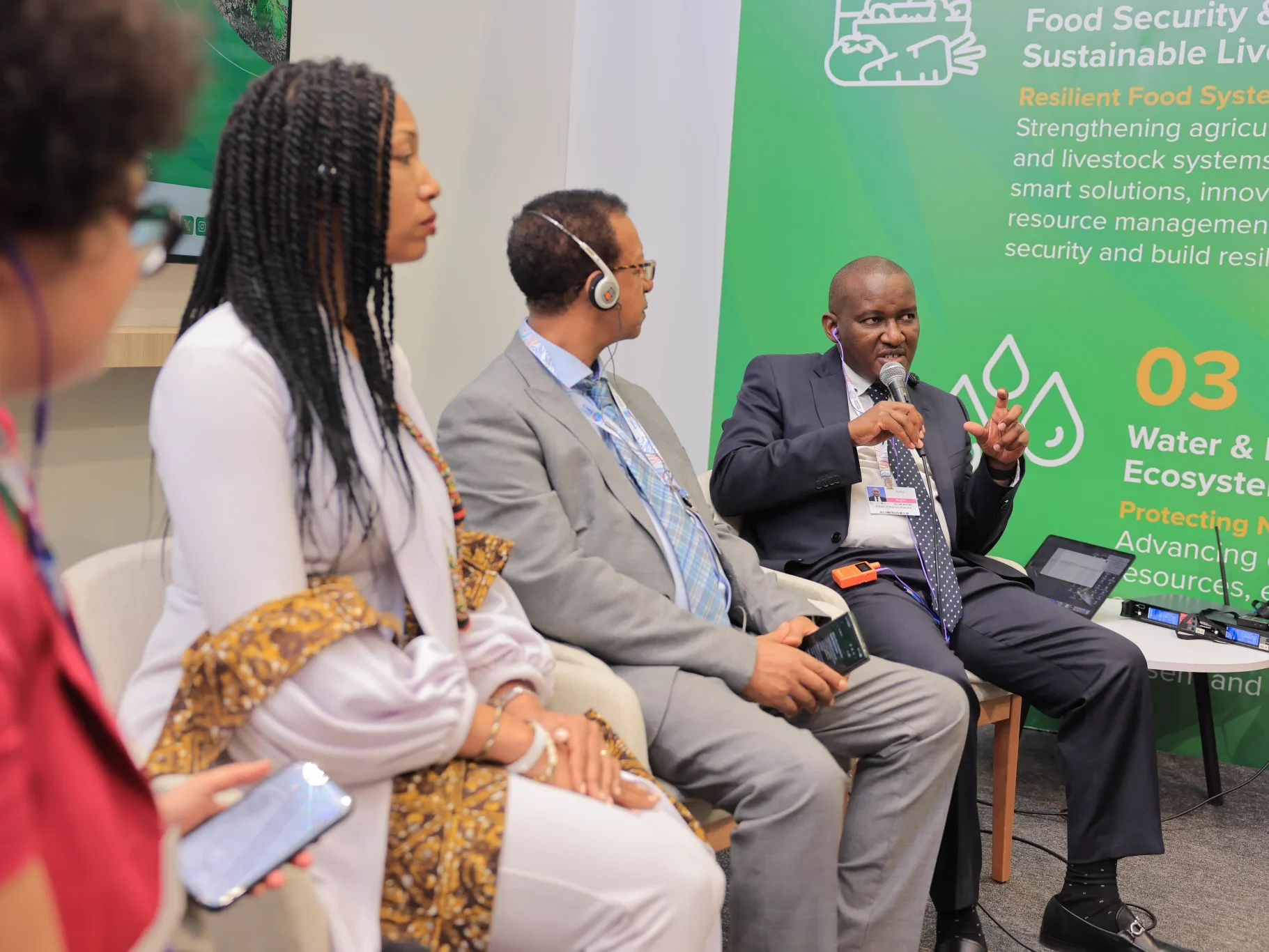
During a forum on irrigation and agricultural finance in Nairobi on October 6, 2026, Principal Secretary for Irrigation Ephantus Kimotho called for innovative financing arrangements to help farmers access affordable credit.
He said traditional collateral-based lending was insufficient to address the financing needs of smallholder farmers, urging financial institutions to use production records, farmer profiles, transaction histories and market information to assess borrowers’ ability to repay loans.
Kimotho also called for stronger partnerships between government, banks, irrigation equipment suppliers and technology companies to reduce the cost and risks associated with financing smallholder irrigation.
The government is preparing for a planned rollout of irrigation interventions in April 2027, with equipment suppliers expected to play a major role in providing affordable technologies and supporting farmers.
Under the National Irrigation Sector Investment Plan (NISIP), farmer-led irrigation development is expected to bring approximately 250,000 additional acres under irrigation. The model targets individual farmers and small groups cultivating between half an acre and two acres, allowing them to own, operate and manage their irrigation systems.
The government is also exploring blended financing arrangements that combine farmer contributions, public grants and commercial loans.
A pilot at Kandeki Irrigation Scheme in Kirinyaga County provides an example of this approach. The programme brings together 245 farmers cultivating approximately 225 acres, with farmers contributing 10 per cent of project costs, the government providing a 40 per cent grant and financial institutions covering the remaining 50 per cent through loans guaranteed by development partners.
The arrangement is intended to give farmers ownership of the infrastructure while ensuring that they participate in financing its operation and maintenance.
Solar-powered irrigation is another important component of the proposed expansion. Solar pumps can reduce dependence on diesel-powered equipment and grid electricity, particularly in rural areas where access to reliable power remains a challenge.
Kenyan climate technology company SunCulture secured a US$10 million financing facility in September 2026 to expand access to solar-powered irrigation systems. The arrangement is expected to release additional capital for financing equipment purchases by farmers through customer repayment arrangements.
Despite these developments, financing remains a concern. Kenya’s National Irrigation Sector Investment Plan identifies the high cost of credit, lack of collateral, lenders’ perception of agricultural lending risks and limited access to financing information as major barriers to farmer-led irrigation.
The plan also recognises equipment leasing, pay-as-you-go arrangements and irrigation-as-a-service models as possible ways of reducing the initial investment required from farmers.
Under pay-as-you-go arrangements, farmers can access digitally controlled irrigation pumps through flexible payments rather than purchasing the entire system upfront.
The success of the farmer-led model will therefore depend not only on the availability of financing but also on reliable water sources, technical support, access to agricultural markets and the ability of farmers to generate sufficient income to repay loans.
As Kenya targets expansion of irrigated agriculture, the challenge will be ensuring that financing arrangements reach ordinary smallholder farmers rather than being concentrated among larger commercial producers.