






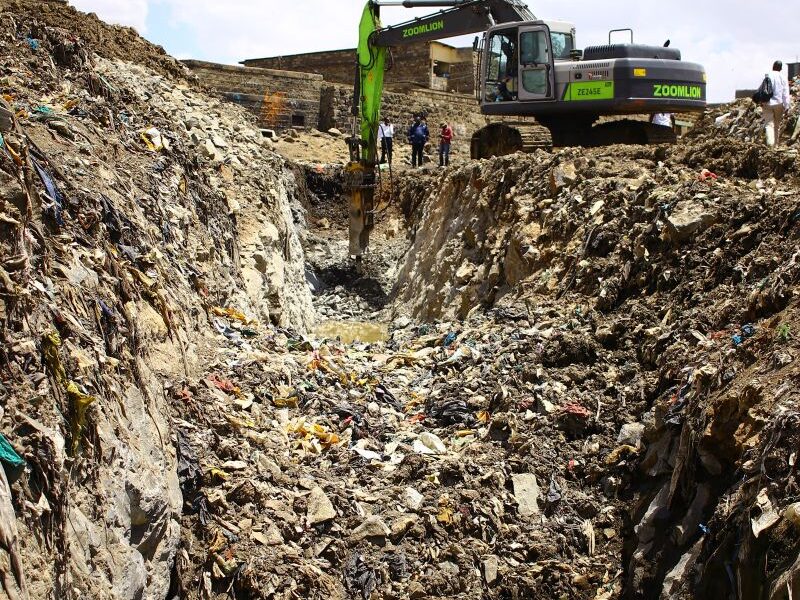
The Nairobi City Water and Sewerage Company (NCWSC) is undertaking water infrastructure relocation works along the Dandora dumpsite as part of efforts to improve water distribution and reorganise the existing supply network in the area.
The project involves relocating an existing water pipeline and installing a new water reticulation network within the affected area, according to an update issued by the utility on November 11, 2026.
The works are expected to improve the arrangement of water distribution infrastructure around the dumpsite while supporting more reliable supply to the surrounding communities.
The relocation project was first advertised in August 2024 under Tender No. NCWSC/17/2024, which invited contractors to undertake the proposed relocation of the pipeline along the Dandora dumpsite. The tender document identified Nairobi City Water as the procuring entity, although the company has not disclosed the current contract value, pipeline length or expected completion date in its latest update.
The development comes as Dandora undergoes wider environmental rehabilitation under the Nairobi River Regeneration Programme, which seeks to address pollution arising from decades of uncontrolled waste disposal and encroachment along the river corridor.
The Nairobi Rivers Commission identifies the dumpsite as one of the major sources of pollution affecting the Nairobi River. Decomposing waste produces leachate, a contaminated liquid that can seep into surrounding soil, surface water and groundwater. Waste accumulation along the riverbanks has also contributed to environmental degradation and increased flood risks.
The ongoing rehabilitation programme includes removing waste deposited along sections of the river, stabilising exposed waste mounds, constructing protective concrete barriers and installing drainage systems to collect and manage leachate.
These interventions are intended to prevent additional waste and contaminated runoff from entering the river while improving environmental conditions for communities living around the dumpsite.
The pipeline relocation therefore comes at a time when water infrastructure, waste management and river restoration are receiving increased attention in the capital. However, Nairobi Water has not specifically stated that the relocation is directly linked to the dumpsite rehabilitation programme.
Dandora has previously benefited from water distribution improvements. In 2018, Water and Sanitation for the Urban Poor (WSUP), working with Nairobi Water, reported the installation of a 23.5-kilometre water supply network that improved access to reliable piped water for nearly 50,000 residents.
The intervention addressed challenges involving illegal connections, leakages and unreliable access, which had forced some residents to depend on poor-quality borehole water and informal vendors.
The experience demonstrated the importance of strengthening distribution infrastructure alongside expanding access to household connections.
Nairobi continues to face pressure to improve water services in densely populated settlements, where population growth, ageing pipelines and distribution losses affect the reliability of supply.
The latest Dandora works are expected to contribute to these improvements through the relocation of existing infrastructure and installation of a new reticulation network.
However, the impact will depend on the completed works, the extent of the new network and the number of households ultimately connected to the system. Nairobi Water has yet to publish these details or provide a construction completion timeline.