





A sudden increase in a water bill can leave households wondering whether they have consumed more water, developed a hidden leak or been charged incorrectly by their water service provider. While higher consumption may explain the increase, billing errors, faulty meters, estimated readings and leaking plumbing can also cause unexpectedly high bills.
For water consumers in Kenya, understanding how water bills are calculated and knowing what to check before making a complaint can help prevent unnecessary payments and resolve disputes with water service providers.
The first step when a water bill rises unexpectedly is not to assume that the utility has made a mistake. Consumers should investigate their water usage, compare previous bills and check whether the meter reading corresponds with the amount charged.
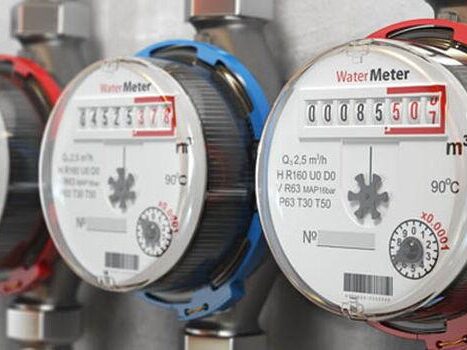
One of the most important checks is the water meter. Consumers should locate their meter and compare the current reading with the reading printed on the latest bill. Most water meters display consumption in cubic metres, with one cubic metre equivalent to 1,000 litres of water. If the current meter reading is lower than the reading shown on the bill, the customer may have been overcharged or the wrong meter reading may have been recorded.
Consumers should also establish whether the bill was generated using an actual meter reading or an estimated reading. Water service providers may use estimated consumption when their meter readers cannot access a property or when a meter is not functioning properly. However, an estimated bill can differ considerably from actual consumption, particularly when previous usage patterns have changed. A subsequent bill may also include an adjustment when the utility obtains an actual reading.
Another important step is checking for hidden water leaks. A leaking tap, toilet cistern, underground pipe or damaged plumbing connection can increase consumption even when household members have not changed their water-use habits. Some leaks are difficult to notice because water may escape underground or behind walls.
Consumers can conduct a simple preliminary check by ensuring that all taps and water-using appliances are switched off before observing the meter. If the meter continues registering consumption when no water is being used, there could be a leak within the property’s plumbing system. A qualified plumber can help identify and repair the problem. Where the suspected leak is on the utility’s side of the connection, customers should notify their water service provider.
Households should also compare their latest bills with those from previous months to establish whether the increase is gradual or sudden. They should check the number of units consumed, billing dates, outstanding balances, applicable tariffs and any additional charges appearing on the statement. Changes in household occupancy, visitors, construction activities, gardening or increased water use can also explain higher consumption.
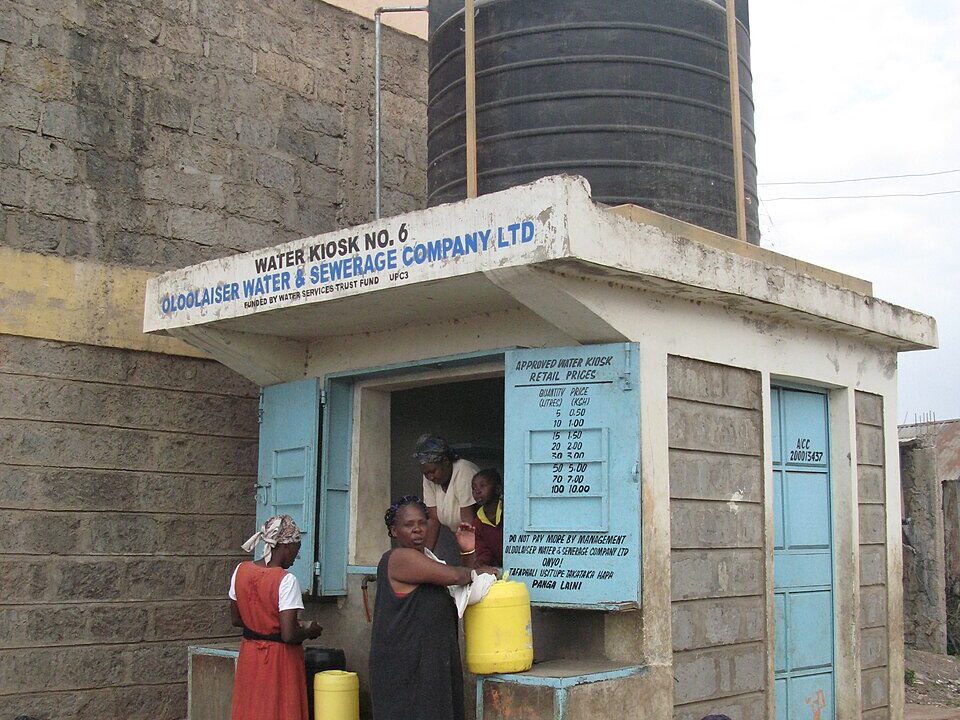
Tariff changes are another possible explanation. In Kenya, water and sewerage tariffs are regulated by the Water Services Regulatory Board (WASREB), which approves tariffs charged by licensed water service providers. Consumers can therefore consult the regulator’s official tariff register to establish the approved charges applicable to their utility and customer category. A sudden increase should not automatically be attributed to a tariff adjustment without checking the actual consumption figures.
If the meter reading appears incorrect, consumers should take a photograph of the meter showing its reading and record the date. They should retain copies of previous bills, payment receipts and any communication with the utility. This information provides evidence when requesting an investigation.
Where the figures remain inconsistent, customers should formally contact their water service provider through its customer care office, telephone hotline, email or other recognised reporting channels. They should request a meter-reading verification, billing review or meter inspection where necessary. If the meter is suspected to be faulty, the utility should be asked to investigate and explain the procedure for testing or replacing it.
In Nairobi, for example, Nairobi City Water and Sewerage Company encourages customers to read their own meters to monitor consumption. The company also advises customers to report faulty meters and billing complaints through its customer service channels.
Importantly, customers should request a complaint reference number and keep it for follow-up. They should also ask the utility to explain how the disputed amount was calculated and whether an adjustment can be made if an error is established.
Consumers who are dissatisfied with how their complaints are handled can escalate the matter to WASREB, the regulator responsible for protecting water service consumers. Under the Water Services Regulations, 2025, customers can submit written complaints to the regulator when dissatisfied with the handling of a complaint by their water service provider. The regulator is required to respond within 21 days of receiving the complaint.
Ultimately, a sudden rise in a water bill should prompt investigation rather than immediate assumptions about increased consumption or incorrect billing. Regularly checking meter readings, inspecting household plumbing and keeping monthly billing records can help consumers identify problems early.
As Kenya continues to strengthen accountability and consumer protection in the water sector, access to accurate billing information and effective complaints-handling systems remains essential. Water consumers also have a responsibility to monitor their usage, report leaks and seek clarification whenever charges appear inconsistent with their actual consumption.